|
Cannes winner Karim Aïnouz works on movie about Algeria ͏ ͏ ͏ ͏ ͏ ͏ ͏ ͏ ͏ ͏ ͏ ͏ ͏ ͏ ͏ ͏ ͏ ͏ ͏ ͏ ͏ ͏ ͏ ͏ ͏ ͏ ͏ ͏ ͏ ͏ ͏ ͏ ͏ ͏ ͏ ͏ ͏ ͏ ͏ ͏ ͏ ͏ ͏ ͏ ͏ ͏ ͏ ͏ ͏ ͏ ͏ ͏ ͏ ͏ ͏ ͏ ͏ ͏ ͏ ͏ ͏ ͏ ͏ ͏ ͏ ͏ ͏ ͏ ͏ ͏ ͏ ͏ ͏ ͏ ͏ ͏ ͏ ͏ ͏ ͏ ͏ ͏ ͏ ͏ ͏ ͏ ͏ ͏ ͏ ͏ ͏ ͏ ͏ ͏ ͏ ͏ ͏ ͏ ͏ ͏ ͏ ͏ ͏ ͏ ͏ ͏ ͏ ͏ ͏ ͏ ͏ ͏ ͏ ͏ ͏ ͏ ͏ ͏ ͏ ͏ ͏ ͏ ͏ ͏ ͏ ͏ ͏ ͏ ͏ ͏ ͏ ͏ ͏ ͏ ͏ ͏ ͏ ͏ ͏ ͏ ͏ ͏ ͏ ͏
|
|
|||||

|
|
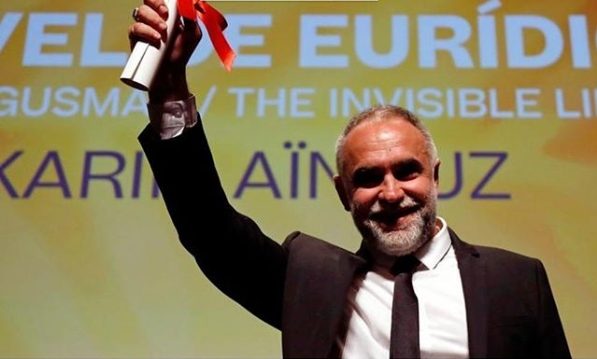
This Monday (10) in your ANBA Bulletin: check out an exclusive interview with Brazilian filmmaker Karim Aïnouz. After taking the Um Certain Regard prize at Cannes with “The Invisible Life of Eurídice Gusmão,” he is working on a documentary film about Algeria, where his father came from. “Before I finished “The Invisible Life,” I spent two months in Algeria for the first time in my life. I had never been there, and have just finished making a movie there, so now I’m editing what I filmed in Algeria, “Algerian by Accident,” which is a project that is kind of a seed of another project I intend to make in the next years, telling my parent’s love story,” Aïnouz told ANBA reporter Bruna Garcia. Born in Fortaleza, Brazil to an engineer father and a local biochemist mother who met in Washington, USA, Aïnouz discusses his background, his parents, his career and future projects. And Thais Sousa reports on research done by Brazil’s Paulo Lemos Horta, a Literature professor at the New York University (NYU) in Abu Dhabi, UAE. A specialist in the “Book of One Thousand and One Nights,” he traced the tale of Aladdin to its source. The story was first incorporated into the Book by French translator Antoine Galland, who in the 18th century released the first Western language version of the collection of stories told by Scheherazade. Galland heard “The Adventures of Aladdin” from Hanna Diab, a Syrian out of Aleppo. Horta’s research led him to write the book “Marvellous Thieves – Secret Authors of the Arabian Nights,” as well as a new version of the original tale of Aladdin. “The translation took the character of an Arab traveler. The great breakthrough is that we had always thought that most of the literary value had come from the French. Now we know that a great deal of it comes from the Syrian traveler Hanna Diyab,” argued the professor. |
||
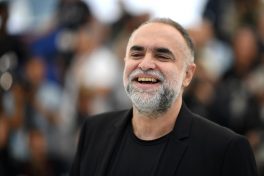
São Paulo – An Algerian engineer meets a Brazilian biochemist in Washington DC, United States, in the 1960s, and they get married. From this marriage came Karim Aïnouz, the film director who became the first Brazilian to win the Un certain regard top prize of the Cannes Film Festival. |
|
||||
São Paulo – An Arab young man who wishes for a better life, travels in search of treasures and lives fantastic adventures. Palaces, princesses, jewels and a lamp are elements in his path. |
|
||||

|
|||||

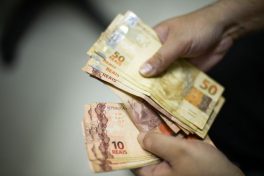
Brasília – Brazil’s economic growth forecast from financial market players is 1%, in the 15th downward shift on end. The number is from the Brazilian Central Bank’s Focus Bulletin, containing the results of a weekly poll of banks. |
|
||||
|
|||||

|
