|
ANBA Bulletin, March 17, 2022 ͏ ͏ ͏ ͏ ͏ ͏ ͏ ͏ ͏ ͏ ͏ ͏ ͏ ͏ ͏ ͏ ͏ ͏ ͏ ͏ ͏ ͏ ͏ ͏ ͏ ͏ ͏ ͏ ͏ ͏ ͏ ͏ ͏ ͏ ͏ ͏ ͏ ͏ ͏ ͏ ͏ ͏ ͏ ͏ ͏ ͏ ͏ ͏ ͏ ͏ ͏ ͏ ͏ ͏ ͏ ͏ ͏ ͏ ͏ ͏ ͏ ͏ ͏ ͏ ͏ ͏ ͏ ͏ ͏ ͏ ͏ ͏ ͏ ͏ ͏ ͏ ͏ ͏ ͏ ͏ ͏ ͏ ͏ ͏ ͏ ͏ ͏ ͏ ͏ ͏ ͏ ͏ ͏ ͏ ͏ ͏ ͏ ͏ ͏ ͏ ͏ ͏ ͏ ͏ ͏ ͏ ͏ ͏ ͏ ͏ ͏ ͏ ͏ ͏ ͏ ͏ ͏ ͏ ͏ ͏ ͏ ͏ ͏ ͏ ͏ ͏ ͏ ͏ ͏ ͏ ͏ ͏ ͏ ͏ ͏ ͏ ͏ ͏ ͏ ͏ ͏ ͏ ͏ ͏ ͏ ͏ ͏ ͏ ͏ ͏ ͏ ͏ ͏ ͏ ͏ ͏ ͏ ͏ ͏ ͏ ͏ ͏ ͏ ͏ ͏ ͏ ͏ ͏ ͏ ͏ ͏
|
| |
Arabs could step in to fill Russian fertilizer supply gap
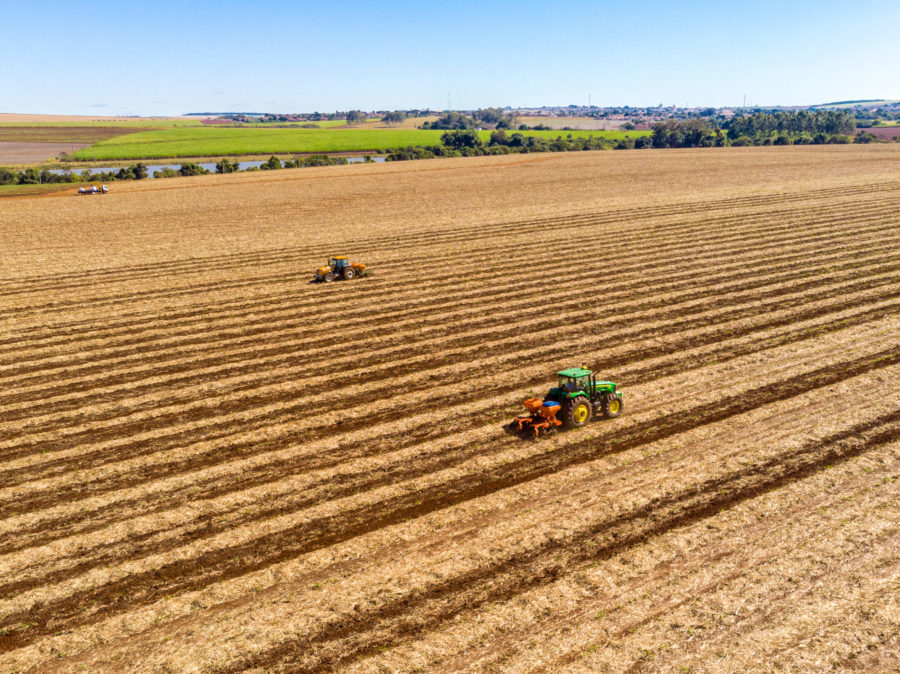
This Thursday (17) in your ANBA Bulletin: Some fertilizers that Russia exports to Brazil could be supplied by the Arab countries, which are global fertilizer suppliers. So says a study carried out by the Market Intelligence department of the Arab Brazilian Chamber of Commerce (ABCC) and presented to Brazil’s Agriculture, Livestock and Supply minister Tereza Cristina. Jordan-based firm TAG.Global plans on setting up an office and production of electronics like laptops, tablets and smartphones in Brazil. The group operates in several business fronts, including consulting services, professional translation, education, and digital transformation. Specialty coffee-growing families in the volcanic region of Brazil’s states of Minas Gerais and São Paulo have established an association. And young Brazilians talk about their volunteer work in Egypt. |
|
|
| |
Jordan’s TAG.Global plans on setting up a base in Brazil
| |
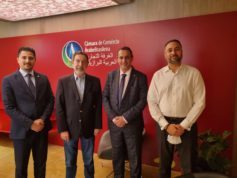 |
The Talal Abu-Ghazaleh Global (TAG.Global) group, headquartered in Jordan, plans on setting up bases in Brazil. The conglomerate operates in several business fronts like professional services, and owns a brand of laptops, tablets, smartphones, and accessories, TAGTech. Two executives of the company are in Brazil to set in motion the opening of an office and consider local production through partnerships.
|
|
|
|
|
| |
Three Brazilian students doing volunteer work in Egypt
| |
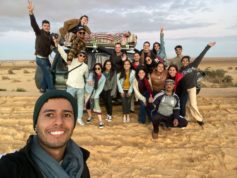 |
Three Brazilians participated in a volunteer work interchange program in Cairo, Egypt, early this year held by AIESEC, an international non-profit aiming to foster both personal and professional growth of young students. Leandro Alexandre studies Architecture, Thiago Gomes studies Software Engineering, and Ramon Santana studies Product Engineering. The three of them participated in a volunteer interchange for 45 days starting January 1st. In an interview with ANBA, they shared a little of their experiences.
|
|
|
|
|
| |
Volcanic soil brings families together in coffee region
| |
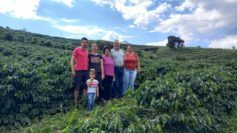 |
The states of Minas Gerais, Brazil’s leading coffee producer, and São Paulo have stood out for a new terroir: the Volcanic Region. The area has its own traits that benefit the production of specialty coffees, the main one being the volcanic soil, which is known for its high fertility and enriches the history behind coffee and helps bringing together the family farming in twelve towns.
|
|
|
|
|
| |
Collection of Arab fables launched in Brazil
| |
 |
“Once upon a time, a tortoise and a hare ran a race, setting a mountain as its finish line. Confident in her lightness and speed, the hare tarried on the way and fell asleep. The tortoise, however, aware of his heavy weight, didn’t stopped or lingered during the race, and arrived at the mountain when the hare woke up.” Who hasn’t heard of the fable of the hare and the tortoise? This is just one of the tales gathered in the book Fábulas Árabes, a research and translation work by Mamede Jarouche from the Arabic into Portuguese.
|
|
|
|
|
| |
Algeria bans export of imported basic foods
| |
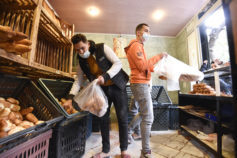 |
Algeria has banned the export of basic consumer imports, such as sugar, pasta, oil, semolina e wheat derivatives. The measure was taken on Sunday (13) in a meeting of the Council of Ministers chaired by Algerian president Abdelmadjid Tebboune and announced in a statement.
|
|
|
|
|
| |
Arabs could step in to fill Russian fertilizer supply gap
| |
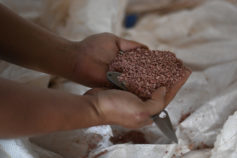 |
Egypt, Lebanon, Morocco, Tunisia, Jordan, Oman, the United Arab Emirates and Saudi Arabia are Arab countries that could supply Brazil with some of the fertilizers the country buys from Russia. The information is part of the study “Opportunities for Brazilian imports from the Arab countries in the fertilizer industry,” created by the Market Intelligence department of the Arab Brazilian Chamber of Commerce (ABCC) and presented to the minister of Agriculture, Livestock and Supply of Brazil, Tereza Cristina, last week.
|
|
|
|
|
| |
Daughter of Edward Said to talk to Brazilian audience
| |
 |
Author, playwright and actress Najla Said (pictured), daughter of the Palestinian intellectual Edward Said, who died in 2003, will speak to the Brazilian audience on the life and work of her father on March 26 at 6 pm (BRT) at the invitation of the Middle East Study and Research Group (GEPOM). The online event is free, and registration is open. The talk will be moderated by GEPOM cofounder Monique Sochaczewski.
|
|
|
|
|
| |
Arab roots of Brazilian agriculture
| |
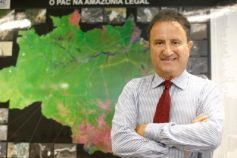 |
The Brazilian agriculture is deeply rooted in the Arab world, the so-called Al Alam Al Arabi. Centuries of Arab presence in the Iberian Peninsula led to unprecedent improvements. The year of the discovery of the Americas, 1492, was the same year that the Catholic kings retook Granada and once and for all drove out the Muslims of the Western Europe. The agricultural knowledge, though, remained.
|
|
|
|
|
| |
Egypt directs incentives to wheat farmers
| |
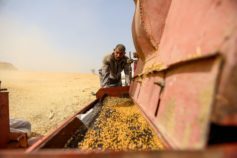 |
Egypt’s president Abdel-Fattah El-Sisi called on the government to offer farmers additional incentives to encourage them to deliver the largest possible amount of wheat to the Ministry of Supply and Internal Trade during local wheat supply season starting in mid-April.
|
|
|
|
|