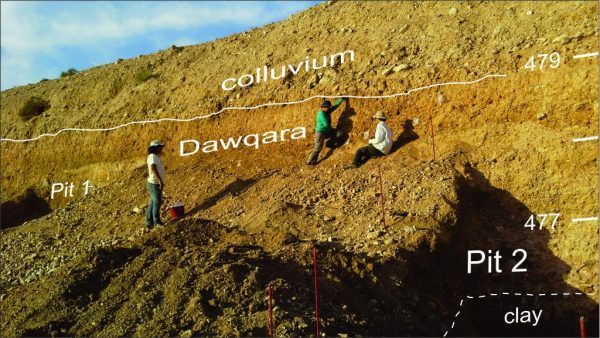
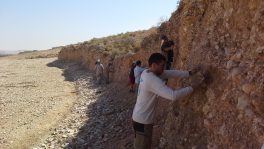
This Wednesday (17) ANBA Bulletin highlights the story by Thais Sousa about the Brazilian-led research in Jordan that brews a new perspective on the history of human evolution. The study led by Institute of Advanced Studies (IEA) at the University of São Paulo (USP) senior professor Walter Neves was published at the Quarternary Science Reviews and shows the discovery of chipped stone tools from 2.4 million years ago, the oldest ones found outside Africa. With this, the study suggests that the first members of the genus Homo to leave the African continent were the Homo habilis, not Homo erectus as it was thought, and 500,000 years before it was believed. “A chipped stone is an evidence. This documents that there was an intelligent life [in the region],” commented the team’s researcher Giarcarlo Scardia, who works at the Institute of Geosciences and Exact Sciences at São Paulo State University (UNESP) and was part of the research team. Walter Neves also supervised the study on “Luzia,” the oldest human skeleton in the Americas.
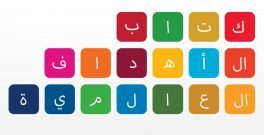
Learn also that a group of teachers from different countries released “The Global Goals Book,” a freely downloadable e-book containing sample lessons on the Sustainable Development Goals (SDGs) of the UN. The book is available in Arabic, English and Italian, and a Portuguese version will be out soon. “The focus is on teachers, so that whenever they need these contents, they will have examples of methodologies to work with, instead of being left in the dark,” one of the project’s authors, Francisco Tupy of Brazil, told the reporter Bruna Garcia. “By 2030, the youth of today will be economically active adults. They will be producing things and making decisions, so the idea is to relay the contents of the SDGs to them, to steer students’ attentions towards these important subjects, and to empower them,” said Tupy.
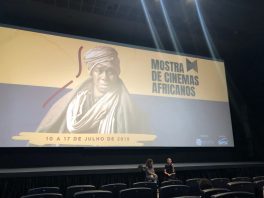
Read also a story on the African cinema, focus of a festival that ends this Wednesday in São Paulo and a review of the movie “Sofia,” directed by the Moroccan Meryem Benm’Barek, that was part of the program.