|
ANBA Bulletin, March 16, 2020 ͏ ͏ ͏ ͏ ͏ ͏ ͏ ͏ ͏ ͏ ͏ ͏ ͏ ͏ ͏ ͏ ͏ ͏ ͏ ͏ ͏ ͏ ͏ ͏ ͏ ͏ ͏ ͏ ͏ ͏ ͏ ͏ ͏ ͏ ͏ ͏ ͏ ͏ ͏ ͏ ͏ ͏ ͏ ͏ ͏ ͏ ͏ ͏ ͏ ͏ ͏ ͏ ͏ ͏ ͏ ͏ ͏ ͏ ͏ ͏ ͏ ͏ ͏ ͏ ͏ ͏ ͏ ͏ ͏ ͏ ͏ ͏ ͏ ͏ ͏ ͏ ͏ ͏ ͏ ͏ ͏ ͏ ͏ ͏ ͏ ͏ ͏ ͏ ͏ ͏ ͏ ͏ ͏ ͏ ͏ ͏ ͏ ͏ ͏ ͏ ͏ ͏ ͏ ͏ ͏ ͏ ͏ ͏ ͏ ͏ ͏ ͏ ͏ ͏ ͏ ͏ ͏ ͏ ͏ ͏ ͏ ͏ ͏ ͏ ͏ ͏ ͏ ͏ ͏ ͏ ͏ ͏ ͏ ͏ ͏ ͏ ͏ ͏ ͏ ͏ ͏ ͏ ͏ ͏ ͏ ͏ ͏ ͏ ͏ ͏ ͏ ͏ ͏ ͏ ͏ ͏ ͏ ͏ ͏ ͏ ͏ ͏ ͏ ͏ ͏ ͏ ͏ ͏ ͏ ͏ ͏
|
| |
This Monday (16) in your ANBA Bulletin: The Center for Advanced Studies on Applied Economics (CEPEA) has conducted a study on Brazilian exports to the Arab market. It shows that Brazil has room to increase its shipments, especially in meat. The work is part of the Study of Food Security in the Arab World – The Potential of Brazilian Agribusiness, done in partnership with the Arab Brazilian Chamber of Commerce, as Thais Sousa reported. Starting next May, Gulf countries will require that warehouses and cold storage chambers used for storing beef and poultry items to have a halal certification. The decision was made by GCC Accreditation Center (GAC) and Emirates Authority for Standardization and Metrology (Esma), as reported by certifiers. And news on Tunisia’s food trade balance and Algeria’s measure in a bid to address the international oil price slump. |
|
|
| |
| |
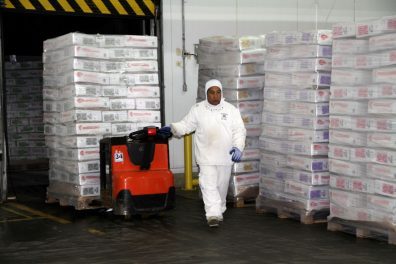 |
São Paulo – A new study from the Center for Advanced Studies on Applied Economics (Cepea) at the University of São Paulo’s Luiz de Queiroz School of Agriculture (Esalq/USP) shows that exports from Brazil to the Arab League countries could increase greatly. According to CEPEA’s research, the biggest driver in this potential increase is meat. The work is part of the Study of Food Security in the Arab World – The Potential of Brazilian Agribusiness, done in partnership with the Arab Brazilian Chamber of Commerce.
|
|
|
|
|
| |
New storage rule for halal supplies to Gulf countries
| |
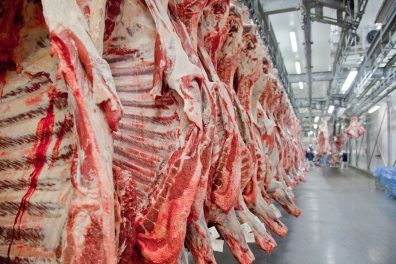 |
São Paulo – Starting next May, Gulf countries will have a new requirement for exports of halal items, i.e. products fit for consumption by Muslims. The GCC Accreditation Center (GAC) anbd the Emirates Authority for Standardization and Metrology (Esma) will require Brazilian warehouses and cold storage chambers used for storing beef and poultry items after slaughter to comply under Category J.
|
|
|
|
|
| |
Decline in food prices benefits Tunisia
| |
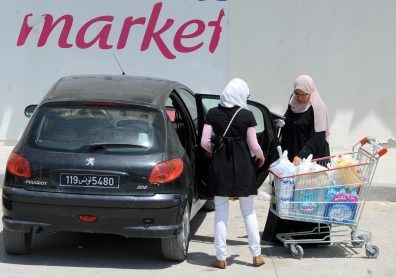 |
São Paulo – Tunisia posted a food trade balance surplus of DT 24.4 million (USD 8.6 million) in the first two months of 2020. According to statistics by the Ministry of Agriculture, Water Resources and Fisheries published on Agence Tunis Afrique Presse (TAP), the surplus is explained by a 2.3% drop in the value of food imports driven by the decline in international prices of some foodstuffs.
|
|
|
|
|
| |
Algeria working on supplementary budget
| |
 |
São Paulo – The Algerian government announced this week that it’s working on a supplementary budget designed to address the oil price slump, Arab news websites reported. Much of the country’s economy and revenues originate from the oil and gas industry and its exports.
|
|
|
|
|
| |
Singer puts together Arab folk music group
| |
 |
São Paulo – About three months ago, the Syrian-Palestinian singer Oula Al-Saghir formed Nahawand, a group that plays folk Arab songs from Syria, Palestine, Egypt and Lebanon. Oula, who’s also in the Orquestra Mundana Refugi group, put her band together while singing with guest musicians at jam sessions.
|
|
|
|
|
| |
Flower picking system heritage-listed
| |
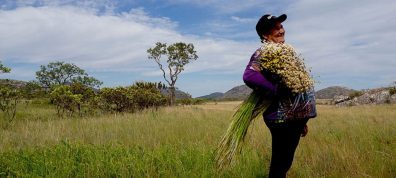 |
Lisbon – The United Nations Food and Agriculture Organization (FAO) recognized this Thursday (12) the Sempre-Viva flower picking system in the Serra do Espinhaço area of Minas Gerais, Brazil as a Globally Important Agricultural Heritage System. Created in during the World Summit on Sustainable Development 2002, the denomination is bestowed on places where traditional production ensures community food security while respecting biodiversity and the wildlife.
|
|
|
|
|