|
ANBA Bulletin, November 1, 2021 ͏ ͏ ͏ ͏ ͏ ͏ ͏ ͏ ͏ ͏ ͏ ͏ ͏ ͏ ͏ ͏ ͏ ͏ ͏ ͏ ͏ ͏ ͏ ͏ ͏ ͏ ͏ ͏ ͏ ͏ ͏ ͏ ͏ ͏ ͏ ͏ ͏ ͏ ͏ ͏ ͏ ͏ ͏ ͏ ͏ ͏ ͏ ͏ ͏ ͏ ͏ ͏ ͏ ͏ ͏ ͏ ͏ ͏ ͏ ͏ ͏ ͏ ͏ ͏ ͏ ͏ ͏ ͏ ͏ ͏ ͏ ͏ ͏ ͏ ͏ ͏ ͏ ͏ ͏ ͏ ͏ ͏ ͏ ͏ ͏ ͏ ͏ ͏ ͏ ͏ ͏ ͏ ͏ ͏ ͏ ͏ ͏ ͏ ͏ ͏ ͏ ͏ ͏ ͏ ͏ ͏ ͏ ͏ ͏ ͏ ͏ ͏ ͏ ͏ ͏ ͏ ͏ ͏ ͏ ͏ ͏ ͏ ͏ ͏ ͏ ͏ ͏ ͏ ͏ ͏ ͏ ͏ ͏ ͏ ͏ ͏ ͏ ͏ ͏ ͏ ͏ ͏ ͏ ͏ ͏ ͏ ͏ ͏ ͏ ͏ ͏ ͏ ͏ ͏ ͏ ͏ ͏ ͏ ͏ ͏ ͏ ͏ ͏ ͏ ͏ ͏ ͏ ͏ ͏
|
| |
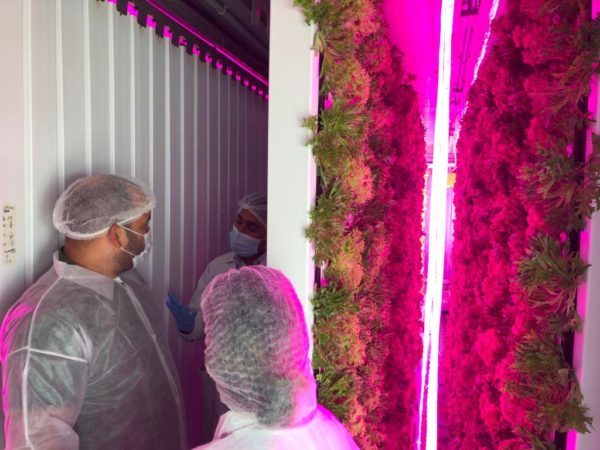
This Monday (1) in your ANBA Bulletin: Madar Farms, a company producing 22 varieties of leafy vegetables and micro vegetables inside a container in Abu Dhabi. The Brazilian business mission to the United Arab Emirates visited the project.
Cacau Foods seeks to learn more about the confectionery market, and Bendita Mandioca intends to sell its cassava tablets in the Arab market; both companies are participating in the mission. It is organized by the Arab Brazilian Chamber of Commerce and will visit the UAE and Qatar.
Solar energy generation capacity has increased in Brazil. From 1,160 gigawatts of power installed in 2017, the country jumped to over 11,000 gigawatts this year. The consumption of this and other clean power sources has been gaining momentum, driven by high electricity bill prices.
|
|
|
| |
Solar energy conquers space, breaks records in Brazil
| |
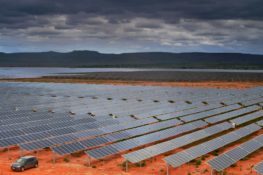 |
The use of solar power in Brazil has been gaining strength in recent years. From 1,160 gigawatts of capacity installed in 2017, the country jumped to over 11,000 gigawatts this year. The historical mark was reached last month. The number accounts for photovoltaic energy produced by large plants and small and medium-sized systems installed on roofs, facades, and lands. The information is from the Brazilian Association of Photovoltaic Solar Energy (Absolar).
|
|
|
|
|
| |
Brazil’s Foz do Iguaçu starts negotiations on halal tourism
| |
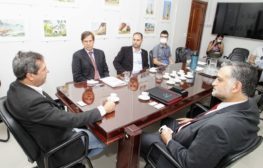 |
Authorities from Foz do Iguaçu, in the state of Paraná, want to turn the city into the first halal tourist destination in Latin America, and will count on the partnership with the Arab Brazilian Chamber of Commerce (ABCC) and certifier Cdial Halal. The vice president for International Relations at the ABCC, Mohamad Orra Mourad, and the CEO of Cdial Halal, Ali Saifi, held meetings last week in the city and agreed with local authorities to draw up a work plan to take the project forward.
|
|
|
|
|
| |
Brazil makes flip-flops fashion and export product
| |
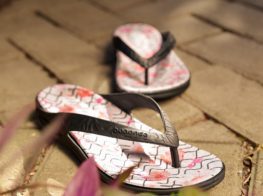 |
The innovative Brazilian industry has transformed the functional product into a fashion staple. Men, women, children from all social and cultural spheres wear the traditional flip-flops for walking, shopping, school, and, in some cases, even work. Envisioning all the possibilities, Brazilian footwear manufacturers began investing solidly in flip-flops within their product ranges and turned them into the main export product in the sector. Large, small, and even micro companies diversify their ranges and invest in the product.
|
|
|
|
|
| |
Reopening of Egyptian poultry exports encourages investors
| |
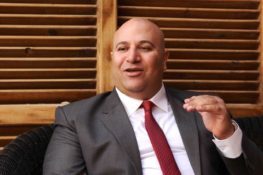 |
United International for Feed, Import and Export has recently announced the launch of its new project in the province of New Valley in Egypt with investments of approximately EGP 150 million (USD 9.5 million). On the premises, a poultry farm and a cattle breeding farm will be established, and products for use in the feed industry will be grown.
|
|
|
|
|
| |
Arab Brazilian Chamber to take companies to UAE, Qatar
| |
 |
Cacau Foods do Brasil wants to learn more about the Arab confectionery market. Bendita Mandioca plans on finding a distributor in the region. Fambras Halal certifier aims to show the excellence of halal products from Brazil. Full of expectations, eleven Brazilian companies start on Sunday (31) the activities of a business mission to the United Arab Emirates and Qatar.
|
|
|
|
|
| |
Food, agribusiness firms prospecting business in Dubai
| |
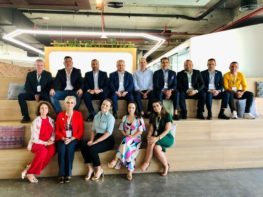 |
Getting to know the Arab market, prospecting potential buyers and distributors, and opening an office in Dubai, United Arab Emirates. These are some of the goals of the companies participating in a business mission held by the Arab Brazilian Chamber of Commerce (ABCC) to the UAE and Qatar that started on Sunday (31) and will end next weekend in Doha.
|
|
|
|
|
| |
In Dubai, Brazilian companies are ready to export
| |
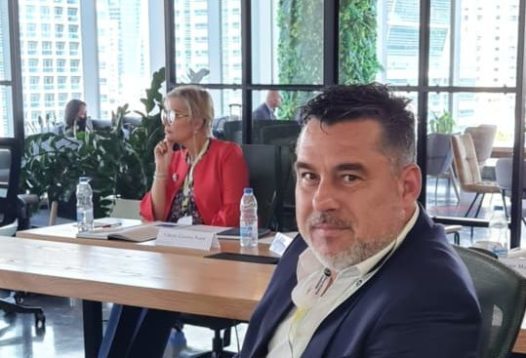 |
Brazilian companies are in Dubai seeking to place their products in Arab wholesale and retail. Among the companies taking part in the mission organized by the Arab Brazilian Chamber of Commerce (ABCC) to the United Arab Emirates and Qatar, which began on Sunday (31), are some that do not yet sell to the region but are on the way to enter the market.
|
|
|
|
|
| |
Mission visits container farm in Abu Dhabi
| |
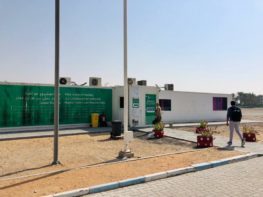 |
The business mission of the Arab Brazilian Chamber of Commerce (ABCC) visited a vertical farm inside a container – Madar Farms – in Abu Dhabi on Monday (1). The company produces 22 cultivars of leafy greens and micro greens like lettuce, arugula and basil, as well as edible flowers. Madar doesn’t export, and it’s working on domestic growth. For now, it sells to restaurants and retailers like Carrefour, Spinneys and Barakat.
|
|
|
|
|
| |
COP26: Brazil pledges to cut emissions by half by 2030
| |
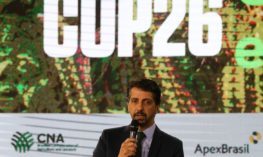 |
The Minister of the Environment of Brazil, Joaquim Leite, announced this Monday (1) a new target for reducing greenhouse gas emissions for the country. The information was announced at the opening of the Brazilian participation in the United Nations Conference on Climate Change (COP26) in Glasgow, Scotland.
|
|
|
|
|
| |
São Paulo government signs MoUs in Dubai, Abu Dhabi
| |
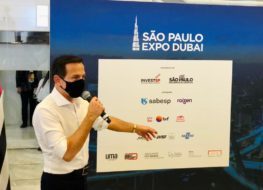 |
São Paulo government announced on Thursday (28) during a business mission to the United Arab Emirates the signing of three new memorandums of understanding between Invest São Paulo and the Arab country’s Dubai Commodities Centre (DMCC), World Logistic Passport (WLP) and financial center Abu Dhabi Global Market to attract investments and bolster exports from the Brazilian state. The agreement with DMCC was signed in Brazil pavilion at Expo; the MoU with WLP was penned in DP World pavilion at the exhibition; and the latter took place in the emirate of Abu Dhabi.
|
|
|
|
|
| |
Brazil’s Bahia to export cacao to UAE
| |
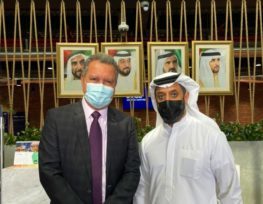 |
In his last day of appointments overseas, Brazil’s Bahia governor Rui Costa (PT) visited on Thursday (28) the center for coffee of Dubai Multi Commodities Center (DMCC), a free zone that specializes in imports and exports of agricultural products in the United Arab Emirates. He was welcomed by CEO Ahmed bin Sulayem, who led the governor on a tour so that he could have an idea of how the center for coffee to be launched in the free zone will be like. At the end of the visit, Sulayem made several types of coffees for the governor and his accompanying delegation to taste.
|
|
|
|
|
| |
Saudi capital Riyadh bids to host Expo 2030
| |
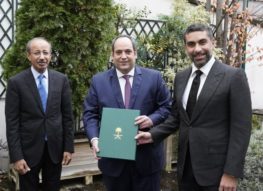 |
Saudi Arabia’s government has submitted a formal request for its capital city Riyadh to host the World Expo 2030. The current edition of the exhibition, Expo 2020, is taking place in Dubai, United Arab Emirates, through March 2022. The theme proposed by the Saudis is “The era of change: Leading the planet to a foresighted tomorrow.” Crown prince Mohammed bin Salman made the announcement. The Saudi capital is up against Russia’s Moscow, Italia’s Rome, South Korea’s Busan, and Ukraine’s Odessa.
|
|
|
|
|
| |
Tunisian film subject of online debate in Brazil
| |
 |
Tunisian film ‘The Man Who Sold His Skin,’ which was nominated for the Best International Feature Film Oscar this year, will be the subject of an online debate between Brazilian specialists in immigration and refuge next Thursday (4). The discussion (in Portuguese) will occur at 6:30 pm BRT (9:30 pm GST) on Pandora Filmes’ Youtube channel; the distributor is one of the organizers of the debate, together with Brazil’s Arab Culture Institute (ICArabe).
|
|
|
|
|
| |
Global companies choose Riyadh as regional headquarters
| |
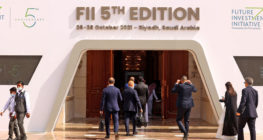 |
A group of 44 global companies announced they had chosen the Saudi capital, Riyadh, as their regional headquarters. The companies received licenses for the operations during the event “The Future of Investment,” promoted this week by the Public Investment Fund of Saudi Arabia, the country’s sovereign fund.
|
|
|
|
|