



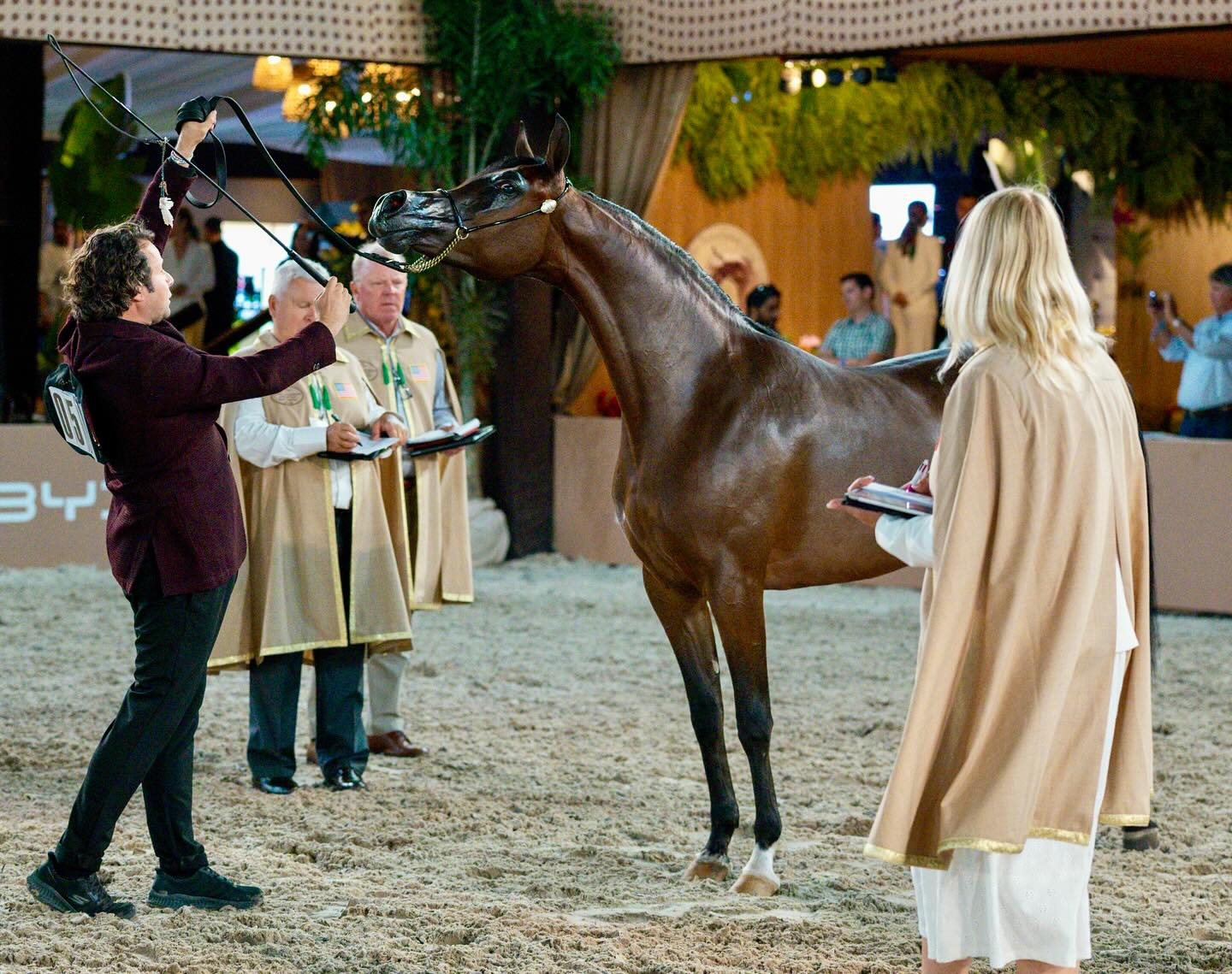
São Paulo – Horses owned by Arab breeders were awarded at a stage of the Global Champions Arabians Tour (GCAT) held at the Helvetia Riding Center, in the city of Indaiatuba, São Paulo state, between Sunday (13) and Monday (14). Qatar was not only a participant but also a major player in the competition, as the country is both the organizer and sponsor of the championship. The event brought together Arabian horses from several countries in Brazil.
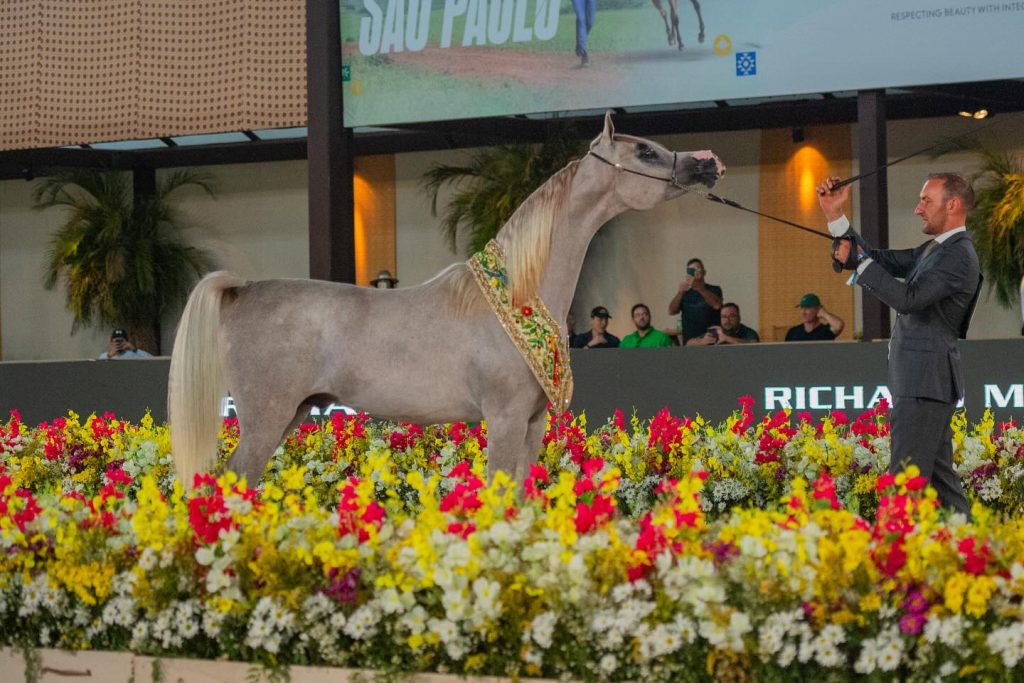
Horses from Al Kaisar Stud, owned by Jordanian breeder Mohammad Issam Hijazi and located in Uruguay, won several awards. The mare ALK Acuarella was named Silver Champion Yearling Filly, and the mare ALK Merlina was Gold Champion Junior Filly. Also owned by the Jordanian breeder, the mare Chiarah Serondella took Gold Yearling Filly, and the horse FAM Apollo was Silver Champion Junior Colt. In addition, the mare ALK Luna, from Al Kaisar Stud, won gold in the mare competition at the Brazilian National Arabian Horse Show.
The world championship was part of the Brazilian National Arabian Horse Show and held its competitions a few days before the GCAT, also at the Helvetia Riding Center. In the global event, Saudi Arabia was another Arab country that stood out. Akmal Stud, owned by Abdulmajed Al Saud, had the horse TM Emperor among the winners of the Brazilian stage of the championship, as Gold Champion Junior Colt, according to the Brazilian Arabian Horse Breeders Association (ABCCA).
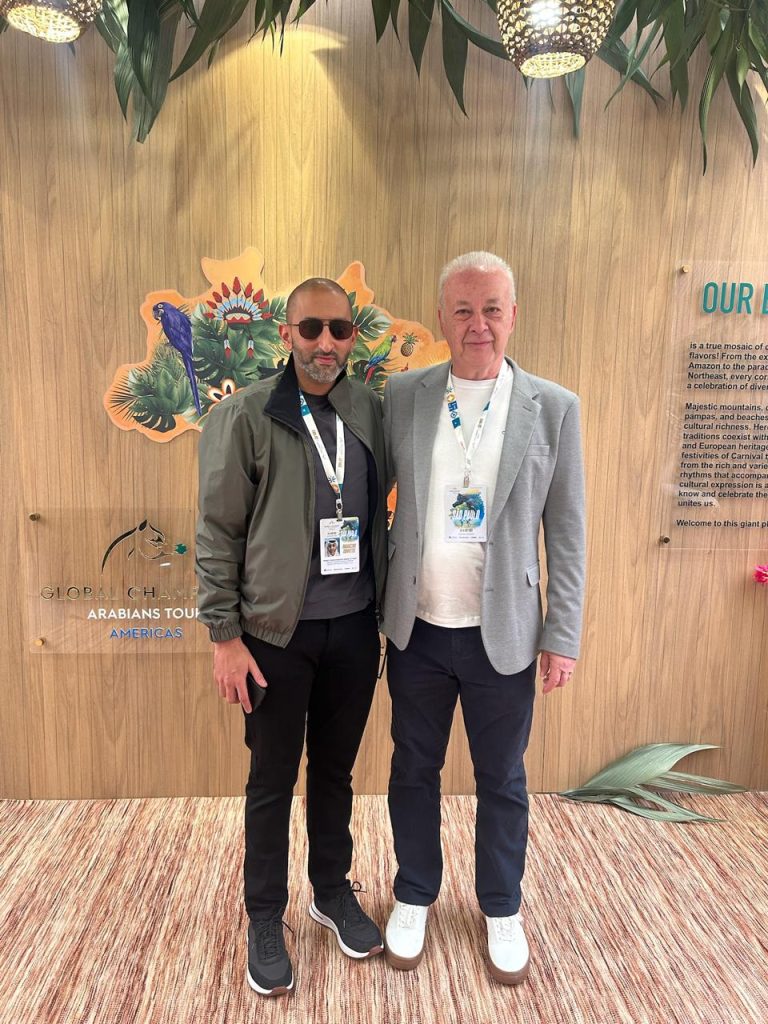
“We are privileged to host a stage of this world championship—it’s the first time this has happened in Brazil and in the Americas,” said Francisco Vilaró Carrasco, known as Paquito, president of the ABCCA, to ANBA. The ABCCA organizes the national show, and Paquito was in Indaiatuba with Sheikh Mohammed bin Nasser Al Thani, deputy CEO of the GCAT, who attended the event in Brazil.
The international circuit is dedicated to promoting the value of Arabian horses. “They like to promote the Arabian horse as part of their culture,” explains Paquito about the Arab countries. According to the ABCCA president, the Arabian horse was used to cross deserts and became very hardy and well-suited to harsh conditions. “It had to carry the Bedouins across the desert for long distances, with little water and extreme heat, so it developed this ability. It’s a very resilient horse,” he says.

Unlike horse racing, where the fastest animal wins, the breed show evaluates the characteristics of horses and mares, such as beauty, stature, musculature, leg conformity, and other qualities. The winners of the World Championship stage in Brazil—gold, silver, and bronze—can participate in the GCAT final, which will take place in Doha, Qatar, in December this year, according to the ABCCA.
Mohamad Mourad, Vice President of International Relations and Secretary-General of the Arab-Brazilian Chamber of Commerce (ABCC), attended part of the competition in Indaiatuba. Other authorities and representatives from Arab countries were also present, including the Ambassador of Qatar to Brazil, Ahmad Mohammed Ali Mohamed Alshebani, the Consul of the United Arab Emirates in São Paulo, Abdalla Shaheen, the Consul General of Qatar in São Paulo, Almuhannad Al-Hammadi, accompanied by consul Khalifa Alsada.
Translated by Guilherme Miranda
