


São Paulo – The city of Rio de Janeiro was once the capital of the Brazilian Empire, then it was the capital of the Republic, and the Arabs gradually arrived. They came from Syria, Lebanon, Palestine. Unlike São Paulo, the country’s economic centre, the land of the beach and sun was home to the diplomacy of their homeland, and through it immigrants were able to maintain a dialogue with their native countries. This is part of the history of Arab immigration into the state of Rio de Janeiro as told in the book "Árabes no Rio de Janeiro – uma identidade plural" (Arabs in Rio de Janeiro – a plural identity), which will be released next Wednesday (15th).
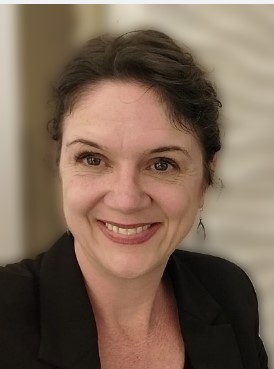
The author is historian Paulo Gabriel Hilu da Rocha Pinto. After having done lots of research on Islam throughout his academic career, he decided to tell, in a book, the story of Arab immigration into Rio and the identity of the immigrants in the city. What is it that is peculiar about Arabs in Rio? Among other things, they helped build the urban landscape. According to Rocha Pinto, they were investors in the real estate sector, and built popular housing for the working class.
The book’s title provides a clue about the direction taken by Arabs in the state and especially the city of Rio: plurality. The identity of those who now comprise the community of Arab descendents is a multiple one. Their ties with their origins are maintained, explains the director, through their relationship with family members, through cuisine. The cultural contents of each Arab community member, however, changed over time and as a result of the arrival of new generations.
"Some people consider themselves Arabs from family tradition, others participate in (Arab) organizations, and others use it (their origin) as a source of inspiration," explains Rocha Pinto, referring to writers and actors of Arab origin. "Scholars use it as a means to create an intellectual problematic, to set a course of study," he complements, regarding researchers of Arab origin who embrace matters pertaining to the region.
The research for the book was conducted from April to November last year, says Rocha Pinto, who claims that he had already read a lot about the matter while doing his research on Muslim communities. For "Arabs in Rio de Janeiro – a plural identity," the writer researched general literature on the topic, the community’s production about its own history, in Arabic and Portuguese, he collected information at the National Archive, at organizations, churches and personal archives, and interviewed 30 people who consider themselves Arabs.
The book is part of a series, entitled "Imigrantes no Rio de Janeiro" (Immigrants in Rio de Janeiro), by the Cidade Viva publishing house, sponsored by Light (the electricity company of Rio de Janeiro) and the Rio de Janeiro State Law for Cultural Incentive. The book has 200 pages and will be sold in bookstores across the country, as well as distributed by its organizers. Rocha Pinto counted on Natália Rodrigues as his assistant researcher.
The author is an Anthropology postgraduate research coordinator and a researcher for the Centre for Middle Eastern Studies at the Fluminense Federal University, in Niterói. At the institution, he works with three lines of research: study of Islam in Syria, study of Islam in Brazil and study of Arab identity in Rio de Janeiro. Rocha Pinto holds a degree in History, another in Medicine, a master’s degree in Anthropology of Science and Teaching and a doctorate in Anthropology, with an emphasis in the Islam and Sufism.
The writer is 42, is of Arab and Portuguese origin and lived in Syria from 1999 to 2001. He has published two other books in addition to the current one. One of them was also released this year and focuses on the Islam.
*Translated by Gabriel Pomerancblum
