



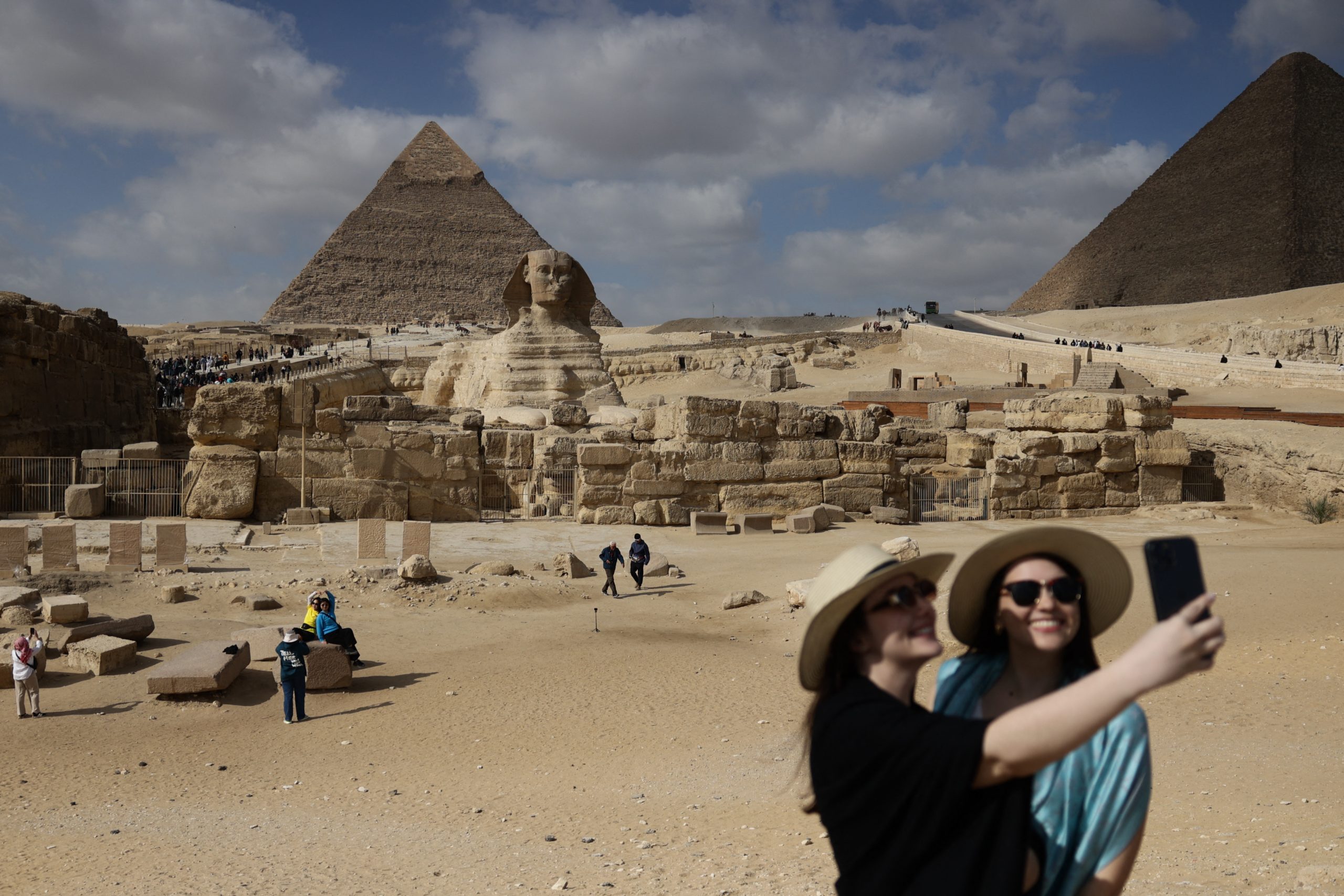
São Paulo – Arab countries are highlighting themselves as tourist destinations onm Wednesday, February 25, under the theme “Arab Tourism… Bridges of Culture and Sustainable Development.” The date was established as Arab Tourism Day by the Arab Tourism Organization (ATO), coinciding with the birth of the Arab traveler Ibn Battuta in the early 14th century. This year, the campaign emphasizes tourism sustainability in the region and the sector’s role as a bridge between cultures.
“The choice of theme stems from the organization’s conviction that tourism is no longer limited to leisure and travel but a strategic tool for building cultural bridges among Arab societies, preserving identity and heritage, creating quality jobs, stimulating investment, and supporting local communities,” the ATO said. Information about the celebration was also released by the Union of Arab Chambers.
The first celebration of the date took place in 2014 with the establishment of the Ibn Battuta Award for Tourism Excellence by Bahrain. This year, Arab Tourism Day aims to promote travel among Arab countries, encourage sustainability in the tourism sector to preserve natural and cultural resources for future generations, highlight the sector’s role in economic empowerment and local community development, and foster innovation and digital transformation in Arab tourism services and products.
According to the ATO, the sector in the region has already recovered and returned to pre-pandemic levels. Figures released on February by UN Tourism show that the Middle East—home to several Arab countries—posted the strongest tourism performance compared to 2019, with growth of 3% over 2024 and 34% above pre-pandemic levels, reaching 100 million international arrivals. North Africa, which also includes Arab countries, recorded an 11% increase. Overall, 81 million foreign visitors arrived in Africa in 2025.
Arab countries attracting global visitors
Among the Arab countries with available data in the UN Tourism survey, Saudi Arabia received the highest number of visitors, while Egypt recorded the strongest growth in 2025. Saudi Arabia registered 29.3 million international arrivals, down 1.6% from 2024 but up 66.9% compared to 2019, before the pandemic. Egypt recorded 19 million international arrivals in 2025, an increase of 20.4% over 2024 and 47.6% over 2019. Qatar welcomed 5.1 million foreign visitors last year, up 3.7% from 2024 and 138.3% compared to 2019. Jordan registered 5.8 million foreign arrivals, an increase of 11.8% over 2024 and 29.9% over 2019.
The UN Tourism survey does not include data for all Arab countries. For some nations, the report lists only years prior to 2025 or incomplete figures for 2025. Among those with full data available for last year, in addition to the countries mentioned above, are Morocco, which recorded 19.8 million international arrivals in 2025—up 13.7% from the previous year and 53% above pre-pandemic levels—and Tunisia, which welcomed 11.3 million international visitors in 2025, an increase of 10.4% over 2024 and 20.1% over 2019, according to UN Tourism.
Read more:
Royal Air Maroc launches São Paulo–Beirut flight
Translated by Guilherme Miranda

