



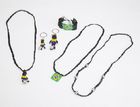
São Paulo – Artisans from the state of Rio Grande do Sul are preparing a collection named Brasil Original – Linha Souvenir to be sold during the 2014 FIFA World Cup. Porto Alegre, the capital of the state, will be one of the host cities, and the craftspeople will seize the occasion. The items range from cups to necklaces and are inspired in Rio Grande do Sul, in Brazil, and in the World Cup itself. They are already on sale from stores in Porto Alegre as a test.
The venture is part of a project from the Brazilian Micro and Small Business Support Service named Sebrae 2014, which is designed to help micro and small businesses capitalize on business opportunities arising from the World Cup. The work with the artisans started in early 2012, after two cooperatives from the Metropolitan Area of Porto Alegre were selected: Associação de Artesãos Artes na Terra do Zôo, in the municipality of Sapucaia do Sul, and Associação de Voluntários do Grupo Maria José, in Esteio.
They were given training in association management, price formation and product sales, and had backing for promotional actions targeting storeowners. They were also trained in product development, with help from two designers. In August this year, the handicraft items started hitting the Porto Alegre market, especially in stores near tourist spots and handicraft sales points.
According to the manager of the Sebrae 2014 project, Amanda Bonotto Paim, the souvenirs are sustainable, mostly made from reusable raw materials. The items include purses made from jeans collected from factories, onto which fruit motifs are printed. There are also doorstops shaped like various Brazilian trees, such as the banana and cashew trees, and cushions bearing icons from Brazilian capitals such as Rio de Janeiro, Salvador and Porto Alegre.
The collection also includes patuás (amulets) shaped as local males and females from Rio Grande do Sul in typical attire, tic tac toe sets with soccer players and balls, typical Brazilian necklaces, leather dining mats and other items. The idea is to have World Cup visitors take home not only items to remind them of the championship, but also of the city and the country they have visited, hence the local symbols on the products.
According to Paim, storeowners are now testing the products, and should buy the items they will sell during the Cup around January. Thus being, no estimates are available as to how many items should be made and sold as a part of the project.
*Translated by Gabriel Pomerancblum
