


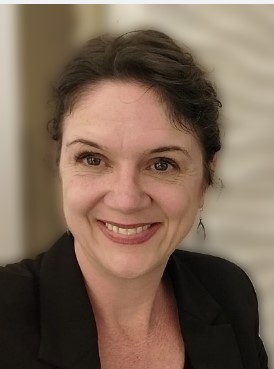
São Paulo – A Brazilian from Rio Grande do Norte is helping generate income among Palestinian women living in refugee camps. Sandra Guimarães, age 31, has been living in Palestine for five years, where she created a social project with mothers of handicapped children. They take foreigners into their houses, to teach them about local cuisine, and thus make their living, as well as improving self-esteem. The project is independent and was named “Nur” by Guimarães, meaning “light”.
In the first years in which she lived in Palestine, the Brazilian worked as a volunteer with children at a non-governmental organisation in Aida refugee camp. In the afternoon, when the children were not at school, she offered oral health workshops, with games and playful activities. “Eighty per cent of the children in Aida camp are anaemic,” says Guimarães, adding that, apart from malnourished, many are obese, due to the inadequate feeding. Tooth brushing was also something that was not part of the routine of the little ones. The work covered 150 children aged six to 12.
Three years ago, however, she decided to create her own project, turned to women. “Being an Arab woman is not easy in itself, and being one in a refugee camp is even worse,” she said, in a telephone interview to ANBA. At the suggestion of a professional at the United Nations (UN), she turned to women with handicapped children. To put the plan in action, however, she addressed the women. She created a kind of club, with periodic meetings, where they discuss their problems and needs. “I do not want to impose my ideas,” she stated.
It was then that they came to the conclusion that they couldn’t do practically anything without money. Among the problems faced by the women were the price of nappies for their kids, the fact that the UN schools, which are free, do not accept the handicapped. Only paid schools accept these children, explained the Brazilian. Then came the idea of the cuisine course for foreigners. It was a way for the women to have income and not need to leave their houses. “We created a source of income and also greater confidence in themselves, as they always lived in the shadow of their husbands,” she said. The rate of unemployment in the countryside is 70%.
When they teach cuisine, Palestinian women also take foreigners on a tour of the region in which they live and tell a little about their lives so that they may learn what a refugee camp is. They say they believe this is the best option for tourists to learn about the camps, better than the “safari” style, where the foreigners simply arrive and take pictures of the kids. “That is not respectful,” she says, comparing it to the tourism in Brazilian slums. The women also offer the tourists another option, which is spending a day, or a day and a half, at their houses, learning about local culture.
Sandra Guimarães currently lives in Old Bethlehem. She arrived in Palestine for the first time in 2007, from Paris, France, where she lived. It all started during a trip she made to Budapest, on which she took no book to read. Therefore, at the airport, she bought an anthropology magazine whose edition was entirely dedicated to Palestine. “I thought: I will buy it to see if I can finally understand this Palestinian story,” she says. After having read it, she spent several sleepless nights, thinking about the reality of the country. She then started planning her trip to Palestine, but she did not want to go as a tourist.
In December 2007, the Brazilian travelled to the Arab country with a non-governmental organisation to develop volunteer work over two weeks. Twenty days after her return to France she had already interrupted the master’s course she was working on, in Linguistics, and her job as a nanny, collecting all her savings and returning to the Arab country. She sought the NGO she had visited in Aida refugee camp and offered herself as a volunteer. The initial idea was to stay for six months, but she has been there for five years.
To Brazil, the linguist returns each year to visit her family. Guimarães explains that prior to moving to France, at age 20, she did not consider social and global questions like that of Palestine. From a family of few funds and with little education, at age 13 she decided she would go to college abroad. At age 14 she started working and saving money for that. When she finished secondary school, with a technical course in Tourism, at age 19, she was almost ready to study in France. In Paris, she turned one year exclusively to learning French. She then went to linguistics college. She worked as a nanny so that she could study.
The fact that work in Palestine involved cuisine is not mere chance. While studying linguistics, the Brazilian noticed that her favourite subject of research, in her daily life, was normally cuisine and not the academic area she had turned herself to. Living in France, Guimarães became vegan and that made her research cuisine even further, to find ways to feed without any animal product or by-product. “I grew up in the northeast, eating jerky, but I became vegan for ethical reasons,” she recalls.
In Palestine she found what she wanted: work to change the world while involving cuisine. Guimarães does not, however, live off the work she develops with the women in the refugee camp in Aida, which is volunteer. For two years she survived with her own economies and performing other jobs, like teaching language and translating. In June this year, however, Sandra Guimarães will have to leave Bethlehem, due to her visa, and she will probably move to Gaza Strip.
Contact
Sandra Guimarães
E-mail: papacapimveg@gmail.com
Site: http://papacapimveg.com/
*Translated by Mark Ament
