


São Paulo – Brazil will have an opportunity to show the world its experience with formalization of small businesses. Early this month, the Brazilian Micro and Small Business Support Service (Sebrae) signed a partnership agreement with the International Labour Organization (ILO) to exchange experiences with regard to the reality of labour at small enterprises. It should be a chance to showcase to other countries the high levels of business formalization attained in Brazil following the establishing of the individual micro-entrepreneur category, approximately four years ago.
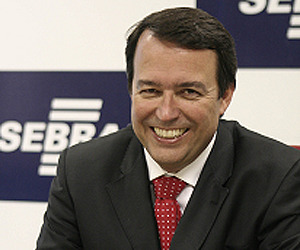
According to Sebrae technical director Carlos Alberto dos Santos, the organization had already been working with the ILO, and now the partnership has become official. It is expected to create a permanent dialogue concerning labour at small businesses, from formalization to working conditions. Next year, one of the main topics of ILO’s international conference, due in Geneva in June, will be informality in the labour market, and Brazil’s successful experience will put the country in the spotlight.
In July 2009, the individual micro-entrepreneur category was created in Brazil, encouraging millions of small businesses to go formal as a result of the rules that were set, and which have cut costs and facilitated the process. Now, people whose businesses earns annual gross revenues of up to R$ 60,000 (US$ 25,607 at current exchange rates) may formalize their businesses quickly, online, with a monthly tax burden ranging from a mere R$ 35 to R$ 40 (US$ 15 to US$ 17). A total of 3.6 million people have joined the program so far. According to Santos, an average of 5,000 formalizations is taking place each day.
The technical director says similar initiatives are underway in many parts of the world, but he has never seen a so many businesses join in so little time. “It works on its own,” he says. Sebrae receives international delegations, mostly from Latin America, but also from Asia and Africa, and the individual micro-entrepreneur template attracts interest often. “This happens even with delegations with unrelated agendas,” he says, referring to groups which visit the Sebrae headquarters to discuss other issues and wind up enthused about the experience.
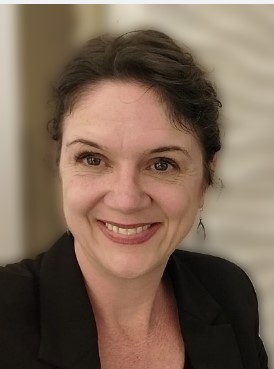
The agreement between Sebrae and the ILO was signed on December 3rd by Santos and the director of the ILO office in Brazil, Laís Abramo. Prior to the global conference on labour, a pre-conference should take place in Brazil to address the matter.
*Translated by Gabriel Pomerancblum
