



São Paulo – The Director of International Relations at Brazil’s agribusiness lobby, CNA, Sueme Mori, said that if signed, the free trade agreement between Mercosur and the United Arab Emirates is expected to benefit Brazilian agribusiness exports not only to the Gulf country but to several Arab nations. CNA held an online press conference on Tuesday (9) to present the sector’s results for this year and expectations for 2026.
Mori said Brazilian agribusiness has a “stable relationship” with countries in the Middle East and North Africa. She noted that a possible conclusion of the agreement currently under negotiation has the potential to expand Brazil’s trade with Arab nations, as the UAE is a hub for distribution and re-exports.
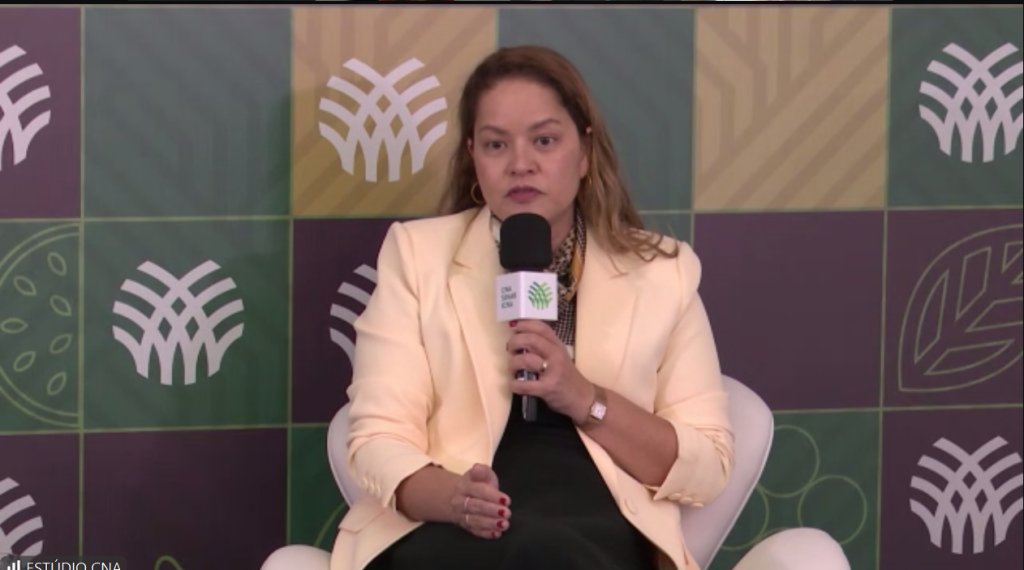
“Tariffs, specifically, are not a major barrier, but there are other issues, and a trade agreement ends up strengthening the relationship [between the countries] and facilitating other matters to increase product access and expand trade ties. It is a region that relies heavily on food imports, and we, as the world’s largest net food exporter, have a strong interest in further accessing the market. Market and product diversification is a priority agenda for Brazil and CNA, so we have positive expectations,” she said.
Mori highlighted that Mercosur’s negotiation agenda with other countries has expanded. “The inclusion of negotiations with the UAE brings very positive expectations,” she said. However, the CNA executive warned that 2026 could be a challenging year for the sector if the United States maintains a 40% tariff on Brazilian agribusiness products. This impact could reach USD 2.7 billion over the year. Even so, through November the sector recorded a 1.7% increase in exports, despite the tariff hikes imposed by the U.S.
CNA assesses sector performance in Brazil
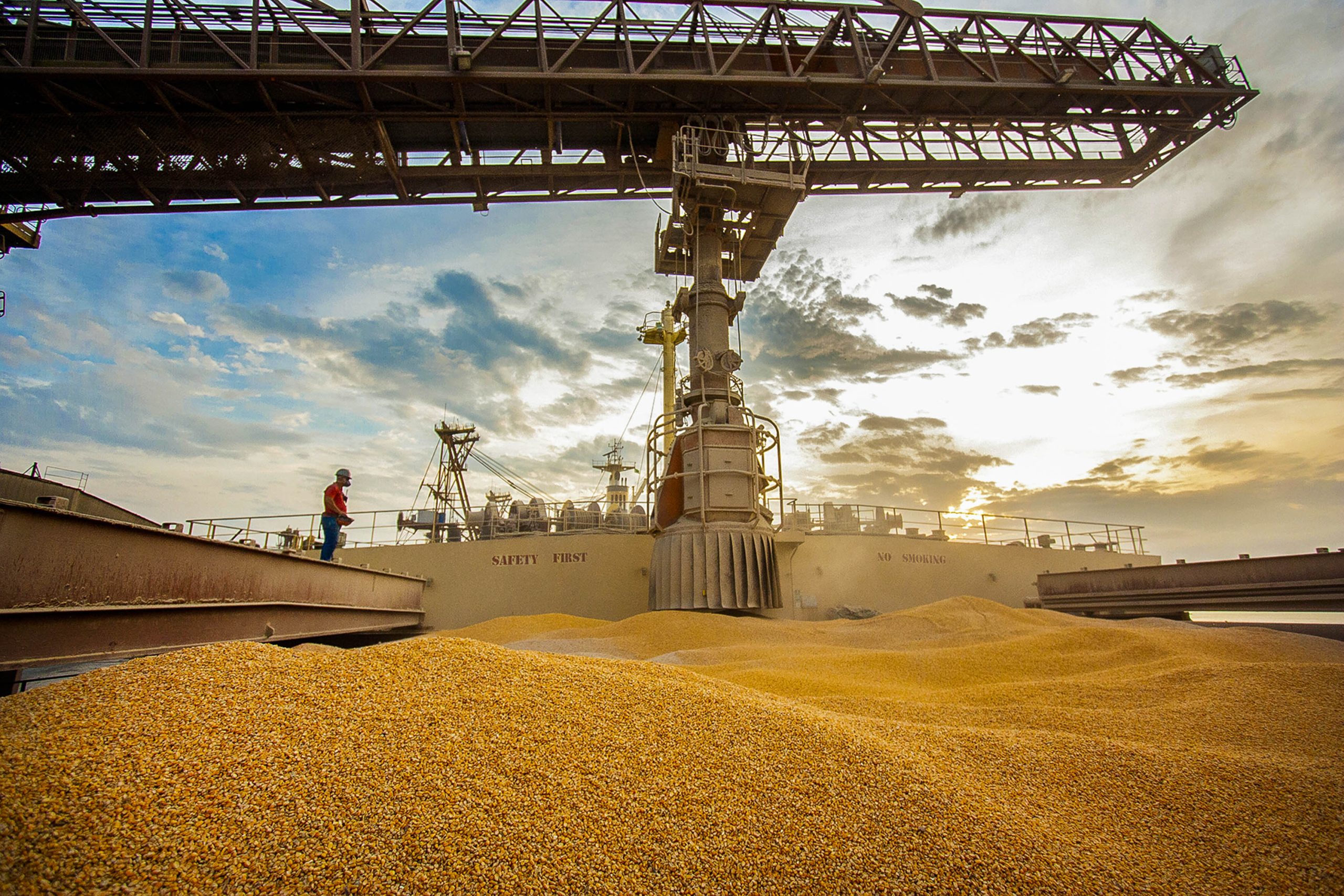
CNA president João Martins said Brazil reached a record grain output this year and is expected to expand production and export capacity. “Despite credit constraints and climate challenges, we achieved a new production record,” he said, referring to the 354.8 million-metric-ton harvest.
CNA’s technical director, Bruno Lucchi, highlighted challenges facing the sector, including the high benchmark Selic interest rate, Brazil’s elevated public debt, legal uncertainty in agribusiness, elections, and climate issues, with phenomena such as La Niña already under way and El Niño expected later in 2026. “For next year, it’s unlikely that the government will cut spending during an election period. There is a risk that inflation will rise, harming producers in the sector and hindering a reduction in the Selic rate,” Lucchi said.
The Central Bank’s benchmark Selic interest rate is currently at 15% per year. CNA expects it to end 2026 at 12.25%, still a high level in the institution’s assessment. CNA also reported a sharp increase in rural producer delinquency. Lucchi noted that there has been growing use of producers’ own capital for investments in the sector.
Read more:
Brazil’s ag to showcase preservation at COP
Translated by Guilherme Miranda
