


Dubai – One of the biggest heritages of Arab culture is the art of bargaining, and the souks, which often located at fairs and open-air markets, are where one can find a bit of everything in the Arab world. Food, textiles, carpets, spices, handicraft, real and costume jewellery, adornments. Come to think of it, maybe these outlets do carry everything.
In Dubai, the most famous, most visited of the seven Arab emirates, there are at least three souks worth visiting – and bargaining at. It is true that the city offers very interesting attractions, like Burj Khalifa, the world’s tallest building, Dubai Mall, the largest shopping centre, the Burj Al Arab building, the famous sail-shaped landmark, and the manmade palm-tree-shaped islands. There are attractions galore, but don’t leave without going to a souk.
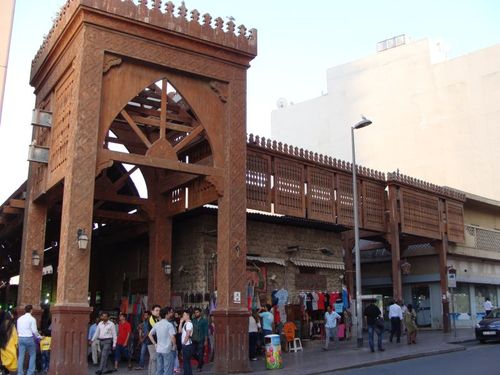
The oldest of them, in Deira, is set in an area that bears little resemblance to the modern, cosmopolitan Dubai. The surroundings are not particularly organized or planned out. Tiny shops and mosques proliferate amidst a multitude of Arabs, Pakistanis, Indians and tourists, lots of tourists. They are all bound for the two local souks: one sells gold. The other one sells everything else.
Those looking for cashmere scarves have nothing to complain about. Or better yet, they will: the price. Knowing how much an item costs is no easy task, since the salesmen will show the models, colours, sizes, tell buyers about its origins, and make them put it on before announcing: US$ 50. Calm down. They know the customer will get startled, complain and ask for a discount. This is where the art of bargaining comes in.
They will also say the customer is stingy, that the price is as low as it gets. They will put on a great act. You must bargain. You must insist. The final price might not improve much, but you might leave with two items for the price of one. Adornments and gold can also be bargained for, but textiles are where prices will drop the most. And be patient, after all you can’t leave a store your shopping bags in less than an hour.
A modern souk
Dubai ha a new, organized, placid souk. Whereas one can arrive at the Deira market by car, bus, metro, boat or on foot, the best way to get to the Madinat Jumeirah souk is by car, and traffic is usually heavy. There, inside a complex comprising a mall, a theatre, a hotel, stores, international cafeteria chains and restaurants, there is even an artificial lake where one can ride a rental boat. At the Deira souk one can also go on a boat ride amidst vessels packed with expatriates who use the system as transportation.
At Souk Madinat, the stores are well organized and products are not on the cheap side, but bargaining is also welcome. You can find a small handmade wooden box for roughly 40 dirhams (the equivalent of US$ 10.8). The merchants can be talked into slashing the price as low as 30 dirhams (US$ 8.1). The same holds true of clothing and decorative items. By the way, many of the items found at the souk in Deira are also on sale here.
There’s yet another souk in Dubai, but this one is a different kind of animal: a section within the Dubai Mall selling clothing and utensils inspired in Arab designs. The products here are high-end. Some have inlays in gold and precious stones. This souk offers comfort, beauty, products combining tradition and modernity and brand names, but one small ‘detail’ is lacking: there isn’t much room for bargaining.
Service
Souk Madinat Jumeirah – http://www.jumeirah.com/en/hotels-resorts/dubai/madinat-jumeirah/facilities/souk-madinat-jumeirah/
Deira Souk – Dubai Creek – near Al Ghubaiba metro station.
Souk Dubai Mall – Financial Centre Road (Doha Road)
*Translated by Gabriel Pomerancblum
