



São Paulo – Exports from Brazil to Arab countries exceeded US$ 1.2 billion in August this year, up 0.76% from August 2013, according to figures supplied by the Brazilian Ministry of Development, Industry and Foreign Trade and compiled by the Arab Brazilian Chamber of Commerce.
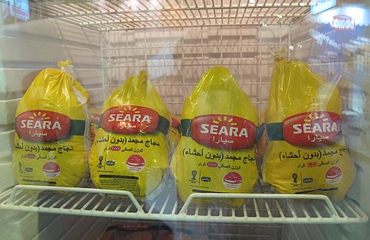
Among the top export products, sugar sales were up 12%, fresh beef sales were up 27%, dairy sales were up 182%, soy sales were up 909%, coffee sales were up 1.24% and vehicle sales were up 390%. Exports declined by 15% for poultry, 54% for frozen beef, 31% for livestock, 20.5% for maize and 19.5% for iron ore.
“In the case of dairy, [sales went up] automatically because Brazil has regained competitiveness,” said the Arab Chamber’s CEO Michel Alaby. Regarding the significant increase in soy sales to Saudi Arabia, he mentioned that the country imports the product to feed livestock and manufacture oil.
Regarding the leading Arab destinations for exports from Brazil, in August from August 2013, sales were up 43% to US$ 294.21 million to the United Arab Emirates; up 42% to US$ 293.96 million to Saudi Arabia, and up 6.7% to US$ 83.35 million to Oman.
Conversely, exports were down 46% to US$ 159.28 million to Egypt and down 12.63% to US$ 85 million to Algeria.
Exports increased to Yemen, Morocco, Qatar, Bahrain, Syria, Somalia, Djibouti, Sudan and the Comoro Islands; and declined to Tunisia, Lebanon, Jordan, Kuwait, Libya, Iraq, Mauritania and Palestine.
In August, Brazilian exports to Arab countries increased for the third straight month, following a five-month downward run.
Year-to-date, exports from Brazil to Arab countries amounted to US$ 8.51 billion, down 3.47% from the same period of last year. Exports increased for frozen beef, by 2.2%, fresh beef, by 20.5%, soy, by 73.7%, dairy, by 181% and livestock, by 11.5%. Exports declied for poultry, by 20%, sugar, by 10%, iron ore, by 9%, maize, by 11%, and coffee, by 10.6%.
“There is still some residual impact from the negative results we had over the last few months,” said Alaby. He believes business may increase in September, because the Hajj, the great annual pilgrimage of Muslims to Mecca, will take place in early October, therefore Saudi Arabia must stockpile products to supply the massive number of visitors.
The executive believes it is hard to tell, however, how trade will behave toward the last few months of the year, because on the Brazilian side, presidential elections will be held next month, therefore the political and economic scenario is uncertain, and on the Arab side, key countries are plagued by instability.
Exports to the Emirates amounted to US$ 1.767 billion from January through August, up 13% from the same period in 2013; exports to Saudi Arabia reached US$ 1.684 billion, down 10%; exports to Egypt stood at US$ 1.345 billion, up 1%; exports to Algeria grossed US$ 807 million, up 14%; and exports to Oman fetched US$ 568.5 million, down 22.6%.
Imports
On the other hand, Brazil’s imports from Arab countries amounted to nearly US$ 1.1 billion, up 141.5% from August 2013. Naphtha imports were up 394% and crude oil imports were up 460%, while fertilizer imports were down 30%.
Algeria was the leading Arab exporter of products to Brazil in August, at US$ 332.5 million, up 152% from August 2013, followed by Saudi Arabia, at US$ 296 million, up 549%; Morocco, at US$ 158 million, up 10%; Iraq, at slightly over US$ 100 million, as against no exports in August 2013; and Oman, at US$ 88 million, as against only US$ 650,000 in August 2013.
Year-to-date, Brazil’s imports from Arab countries amounted to a combined US$ 7.5 billion, down 2.56% from the first eight months of 2013. The leading exporters to Brazil during the period were Saudi Arabia, Algeria, Morocco, Iraq and Kuwait, and the top export items were oil and oil products and fertilizers.
*Translated by Gabriel Pomerancblum

