



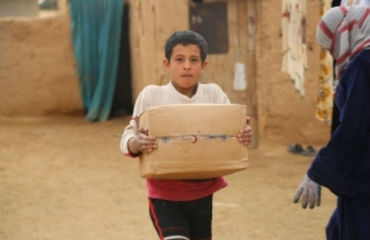
São Paulo – Syria is facing a serious food production crisis, according to a report released this Friday (5th) by the United Nations Food and Agriculture Organization (FAO). The report points out that approximately four million people are plagued by food insecurity stemming from internal conflicts.
Food production has been hampered by high costs and reduced availability of inputs, damage to agricultural machinery and storage facilities, the threat of violence and the flight from the land by farmers. Some crops may not be harvested, the report warns.
“Pre- and post-harvest grain losses are higher than average this year, due mostly to damage to harvesting equipment and storage structures,” according to the report. Wheat production in the country should reach 2.4 million tonnes, down 15% from the 2011-12 crop and 40% from 2010-11, when over four million tonnes were harvested.
According to the FAO, Syria will need to import 1.47 million tonnes of wheat for the 2013-14 period. The livestock sector is also being seriously affected by the conflict. “Poultry production is estimated to be down by more than 50% compared with 2011, and sheep and cattle numbers are down approximately 35% and 25% respectively,” according to the report.
According to the FAO, 1.6 million Syrians have become registered refugees in neighbouring countries, and many are suspected to have departed as unrecorded voluntary emigrants. The unemployment rate in Syrian territory is 18%.
In addition to high product prices, access to food is also compromised due to the low amounts of food available for sale. The main impediments to trade, according to the FAO, are insecurity, transportation issues, lack of credit to suppliers, and lack of access to foreign currency.
The FAO points out that the groups most vulnerable to the food shortage are internally displaced people due to the conflicts, such as small farmers, herders, poor people in urban areas, children, pregnant women, elders and people with chronic illnesses.
*Translated by Gabriel Pomerancblum

