



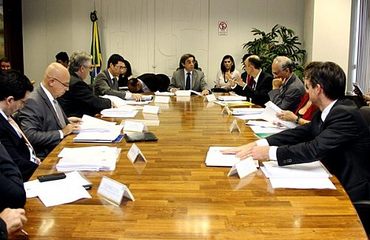
São Paulo – Brazil’s Foreign Trade Chamber (Camex, in the Portuguese acronym), the government’s policymaking body for the sector, has announced lower import taxes for several products in a bid to prevent domestic undersupply. Brazil imports the industry inputs covered from several countries, some of them Arab.
A case in point is copper and tin sheet metal, used in the manufacturing of electrical command modules for automobiles. According to he Brazilian Ministry of Development, Industry and Foreign Trade, Brazil imported US$ 117 million worth of the product in H1 this year.
According to the ministry, the leading exporter to Brazil was Tunisia, at US$ 471,000, followed by Morocco at US$ 239,000 and Egypt at nearly US$ 30,000. Yemen and the United Arab Emirates exported small amounts of the product to Brazil in H1 last year, but not in this one.
The tax rate has been reduced from 16% to 2% for a six-month period, limited to a maximum quota of 72 tonnes, according to the ministry.
Another product covered is clad aluminium sheets and strips up to 0.2 millimetres thick – clad meaning the sheets have two layers, and are clad by a thin coating above the base alloy.
Brazil imported US$ 98 million worth of these products in H1 2014, and Egypt accounted for a small amount of sales, at US$ 78,000.
The input is used in manufacturing radiators and automobile air conditioning compressors and condensers. The rate has been lowered from 12% to 2% for a six-month period up to a 563-tonne quota.
Other products covered include di-methylamine and mono-isopropylamine, used in pesticide manufacturing; dichlorophenyl, for herbicide manufacturing; chloride copolymer and vinyl acetate, used in manufacturing purses, shoes and accessories, automotive products, medicine bottles, adhesives, varnishes and other products. The list also includes polycarbonate, a type of polyester; clad aluminium sheets and strips thicker than 0.2 millimetres; human seralbumin, a substance used in hemoderivative medication for haemophilia treatment; and caprolactam, used in making artificial fibres.
To read Camex resolution number 56 on the subject, click on the link (in Portuguese): http://pesquisa.in.gov.br/imprensa/jsp/visualiza/index.jsp?data=23/07/2014&jornal=1&pagina=4&totalArquivos=68
*Translated by Gabriel Pomerancblum

