



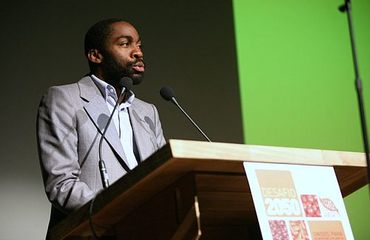
São Paulo – The United Nations Food and Agriculture Organization (FAO), the National Agriculture Defence Association (Andef) and the Brazilian Agribusiness Association (Abag) are hosting the 6th Innovation Forum: Agriculture and Food for a Sustainable Future on the 14th in São Paulo. The goal is to discuss the challenge of ensuring foodstuffs for a global population that may reach 9.3 billion in 2050. Currently, the world’s population is 7.2 billion.
According to Andef’s CEO Eduardo Daher, Brazil alone must increase its output by 40% to fulfil its part of the mission. According to the forum’s organizers, this year the country should produce close to 200 million tonnes of grain, 26 million tonnes of meats, 35 billion litres of milk and 1.2 billion dozens of eggs. Over the next 10 years, grain and meats production is expected to increase by 30%.
“Brazil plays a key role in feeding the world’s population,” Daher told ANBA. “The challenge is to increase output while keeping planted area the same and increasing sustainability,” he added. The Challenge 2050 theme was launched during the event’s 2013 edition.
To this end, the forum will discuss ways of making more food available without increasing planted area, through technological innovation, education, rural extension, emphasizing family farming, fighting waste, public health and even cuisine.
Daher informed that 30% of the world’s entire food production goes to waste. He also said technological advancements must be incorporated into the daily lives of small-scale growers, who account for 70% of global production. He noted that one out of every seven people in the world is still hungry. “Whereas in the United States, Europe and Oceania there is waste and obesity, in other parts of the world people are starving,” he said.
“We are calling out to agricultural input manufacturers, farmers and all those involved to engage in debate with society as a whole,” the executive said. “The challenge must be met not only by food producers, it must be met by society,” he added.
He stressed that Brazil has features that set it apart, such as scientific development spearheaded by the Brazilian Agricultural Research Corporation (Embrapa), and climate and land characteristics that allow it to produce two crops per year.
Brazilian production, however, remains heavily reliant on imported inputs, especially fertilizers and agricultural defence products. According to Daher, the supply of phosphate- and nitrogen-based minerals should increase in the next few years, but there are no perspectives of self-sufficiency, especially in potassium and chemicals used on crops – not even by 2050.
He said, however, that the event’s goal is not to discuss well-known bottlenecks within the country, such as poor logistics and transportation infrastructure.
The forum will take place on the week of the FAO-established World Food Day (October 16th) and in the year established by the UN as the International Year of Family Farming.
The debate will involve the FAO’s representative in Brazil, Alan Bojanic; Embrapa chairman Maurício Lopes; the coordinator of the Centre for Food Studies and Research at Campinas University (Unicamp), Walter Belik; Rosa Alegria, the international think-tank Millennium Project’s representative in Brazil; Mônica Rangel, chef and founder of the Brasil à Mesa (Brazil at the Table) movement for promoting national cuisine; and the ambassador Marcos Azambuja, former secretary general to the Brazilian Foreign Ministry and coordinator of Rio92.
Service:
Registrations for the forum is now closed, but the event will air live on www.forumagriculturaealimentos.org.br.
*Translated by Gabriel Pomerancblum

