



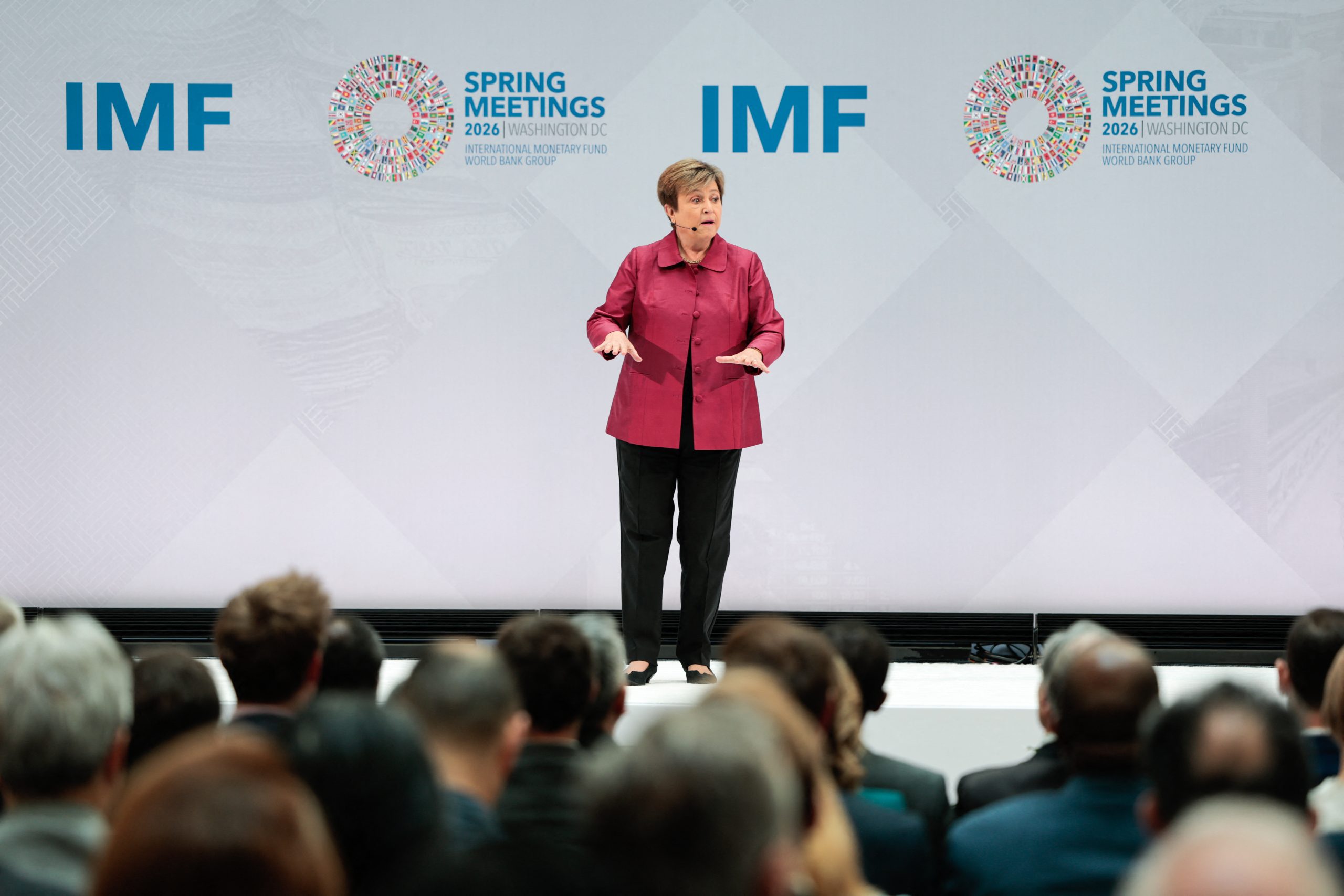
São Paulo – The Managing Director of the International Monetary Fund (IMF), Kristalina Georgieva, delivered a speech on Thursday (9) in Washington, United States, about the economic outlook resulting from the conflict in the Middle East: rising food insecurity, inflation, and slower economic growth are likely effects in the coming months and are expected to be more severe in countries closer to the conflict, though global to some extent.
According to Georgieva’s estimates, an additional 45 million people are expected to be affected by food insecurity, especially due to transportation difficulties. The Fund projects that 360 million people worldwide will face hunger. The problem may worsen over time due to rising fertilizer costs. In addition to oil and gas, countries affected by the conflict are producers and exporters of fertilizers to food-producing nations such as Brazil.
The IMF’s central assessment is that the current conflict has created a supply shock in basic commodities such as oil, liquefied natural gas, and fertilizers: 13% of the global daily oil flow and 20% of the daily LNG flow have been reduced due to the conflict. The price of Brent crude rose from US$72 before the conflict to peaks of US$120 following attacks by Israel and the United States on Iran, as well as retaliatory Iranian strikes on Gulf countries that produce oil and derivatives. These attacks resulted in the suspension of production and transportation of the commodity.
“Given the uncertainties, our World Economic Outlook, to be published next week, will include a range of scenarios, going from a relatively swift normalization, to a middle scenario, to one where oil and gas prices stay much higher for much longer and second-round effects take hold. All these scenarios start from a situation where strong AI and tech investment, supportive financial conditions, and other factors were driving considerable momentum in the world economy”, Georgieva said.
The IMF also estimates rising inflation, which may lead central banks to increase interest rates to contain prices, and forecasts lower economic growth. “But now, even our most hopeful scenario involves a growth downgrade. Why? Because of significant infrastructure damage, supply disruptions, losses of confidence, and other scarring effects,” she said.
Read also:
IMF sees progress in Syria’s economy
*Translated by A.I.

