



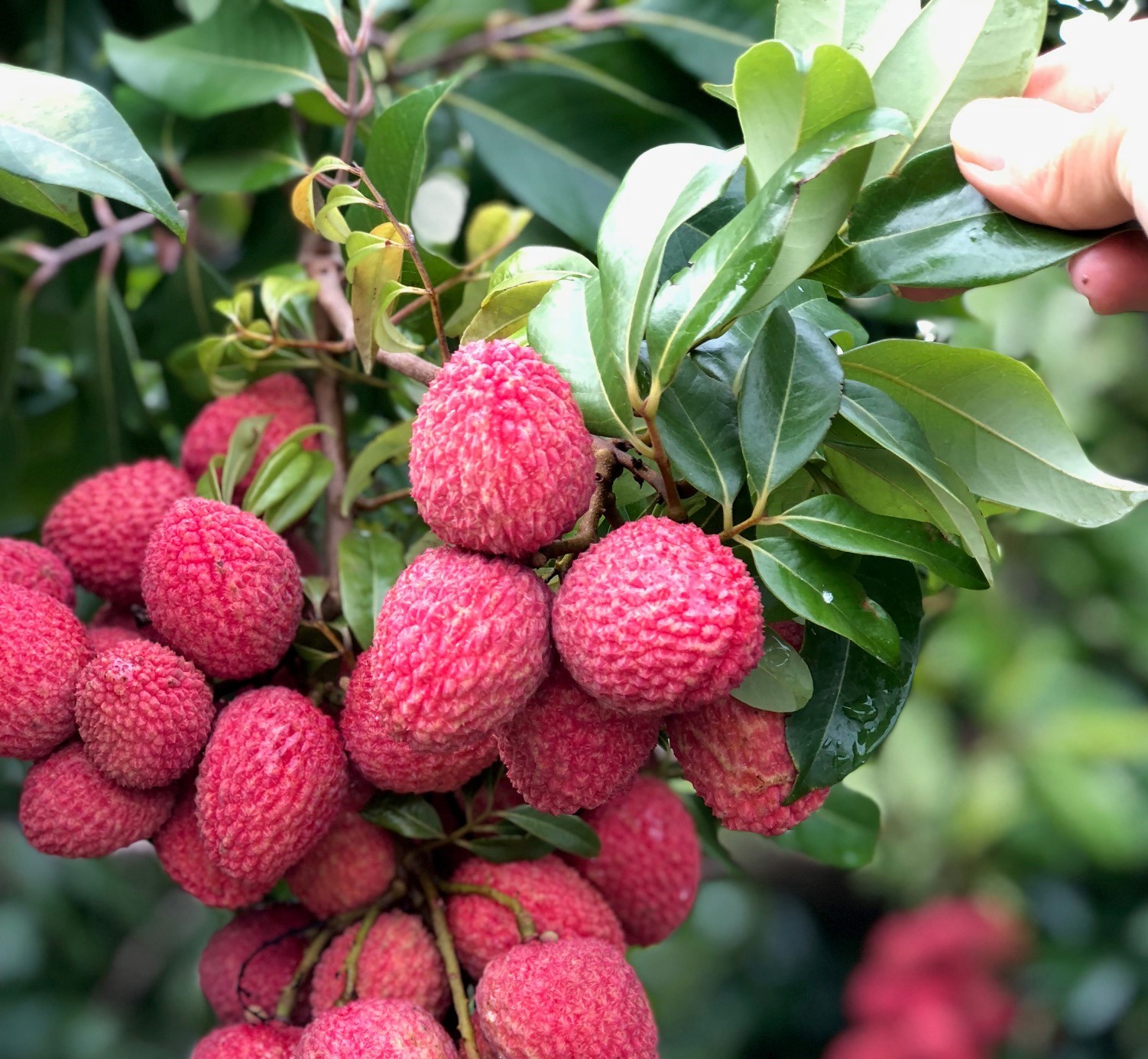
São Paulo – Brazilian lychee farm Olhos D’Água, in Mateus Leme, Minas Gerais, has been selling fruit within the country since 2014. This year’s crop, due for harvest in December, will likely get shipped abroad too.
Farm CEO Patrícia Nogueira said the first batches of lychee will ship out by plane to Dubai, UAE right after harvest. Some pallets of the fruit should be flown to the UK, France, and Hong Kong, in China.
“I went to Dubai in November of last year with a group of Minas Gerais entrepreneurs. They were small-scale producers of pão de queijo, dimension stones… I was the only one in agribusiness. We visited supermarkets, buyers, and a free zone. Apex-Brasil (Brazilian Trade and Investment Promotion Agency) organized the visit, and seeing the incentives they offer and the reality of the market was a very interesting experience,” Nogueira told ANBA.
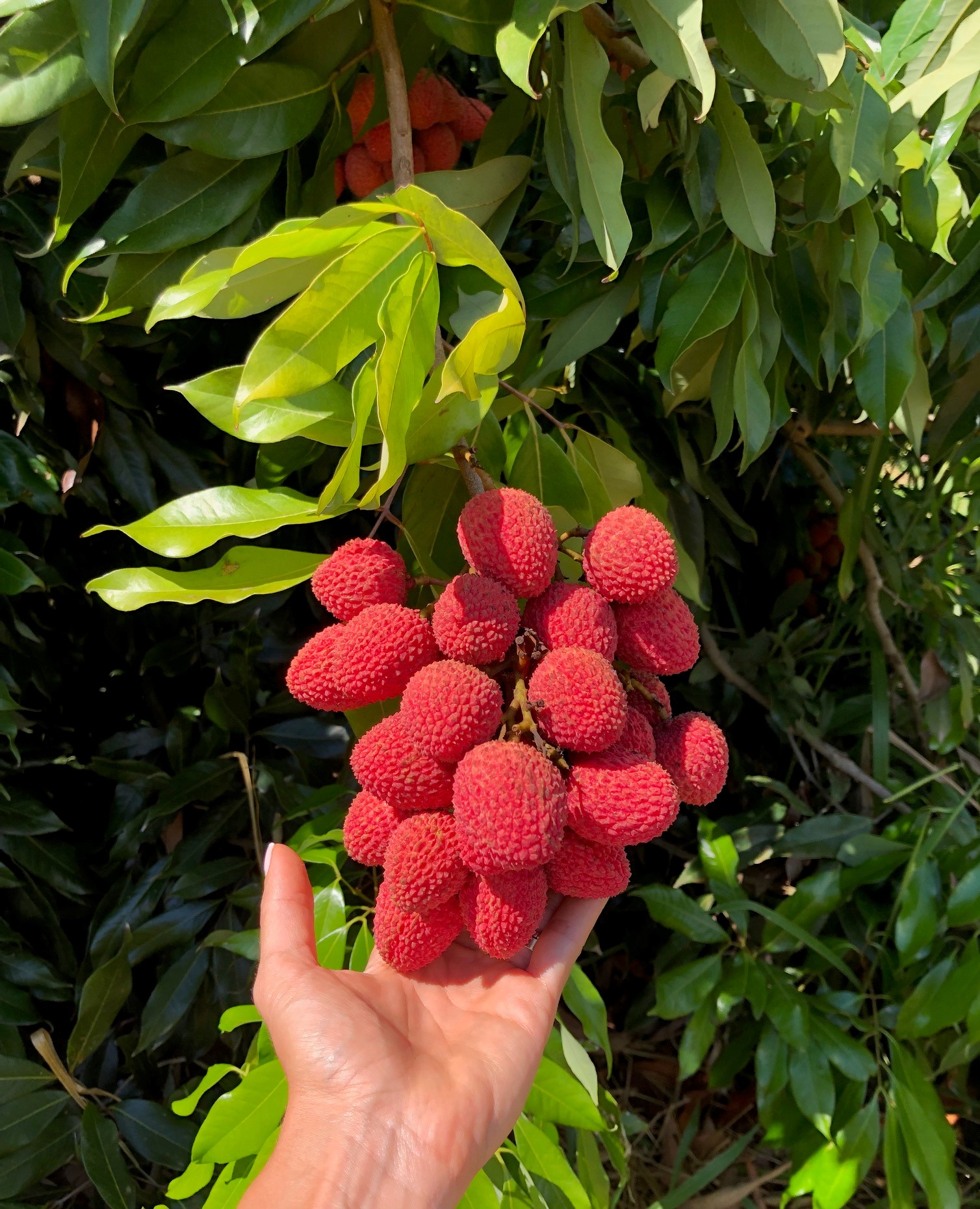
While there, she met a family-run business that was interested in buying her product. “They’d never seen the kind of red lychee that we have here. All they knew was the yellow lychee that’s grown in the wild, in Madagascar and the Mauritius Islands. There’s no nutritional research on it or anything. This contact gave us plenty of information to crack open this market, and we’re selling to them during this crop,” she said. Nogueira decided to create a brand for her international sales: the yet-to-be-launched Red Lychee.
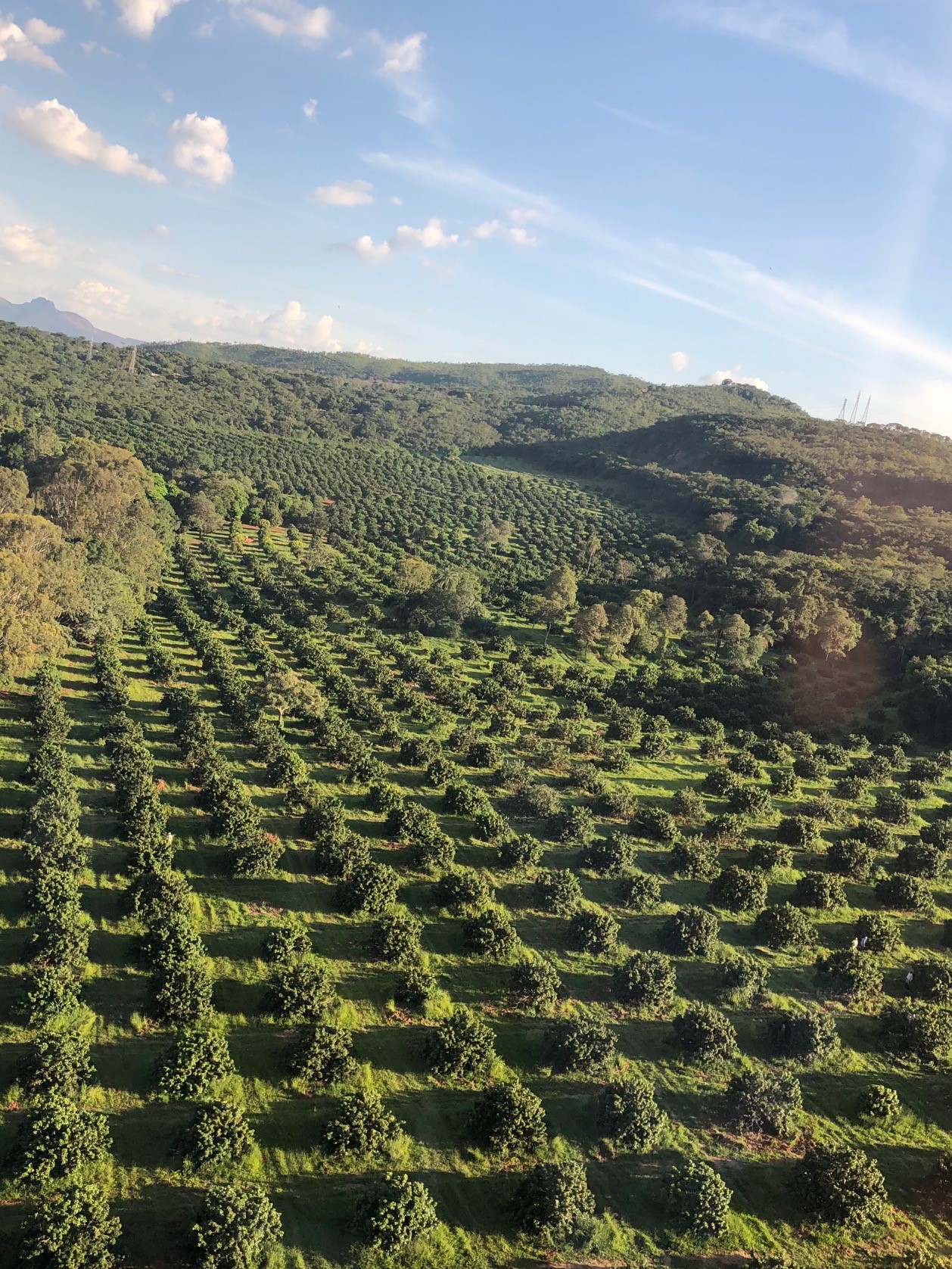
“This year the crop will be wonderful. We have over 5,000 trees planted and we expect to see up to 200 tonnes. The last fruit-bearing crop, in 2017, yielded 135 liquid tonnes of clean, packaged fruit,” she said. Nogueira explained that the farm features soil, water and fruit nutrition control, as well as weekly pest scans.
As Olhos D’Água sets its sights on exports, its CEO names Arab countries as prospective business partners because of their good logistics. “The product will get flown in via Emirates airline, one or two pallets’ worth of fruit per week for this particular buyer, but we’re looking for more partners,” she said.
In Hong Kong, according to Nogueira, there’s a gift- and jewelry-box culture. The boxes resemble jewelry cases, and are given out even on occasions such as weddings. “We’re working on special packaging for this market,” she revealed.
In its first year of going international, the farm is expecting to ship abroad about 30% of output. The goal for upcoming years is about 50%. “Our priority this year is exports. Domestically, we’ll sell via Ceagesp (the São Paulo city produce market), but next year, if foreign sales keep going up, we’re considering selling direct to supermarket chains in Brazil,” she said.
Established 1982, the Olhos D’Água farm didn’t start selling lychess until 2014. The first lychee tree was planted in 2008. In the past, this family farm used to sell grapes. “A lychee tree will take an average of five years before it will start bearing an amount of fruit worth selling,” she explained.
The microclimate in the Mateus Leme area of Minas Gerais is very well-suited to growing sweet red fruits. “The trees will really grow tall, the terroir is very lychee-friendly. We’re in a valley. You have the humidity, and it’s very cold in the winter. You need that in order to stress the plant into flowering,” she said.
Nogueira said she’s optimistic about going global. “Expectations are good for this crop, and I see great potential in the foreign market. Our product is world-class and high grade, and we’re sure that it’ll be a hit,” she concluded.
Quick facts
Fazenda Olhos D’Água
+55 31 98965-0001
[email protected]
www.olhosdagua.farm
Translated by Gabriel Pomerancblum

