



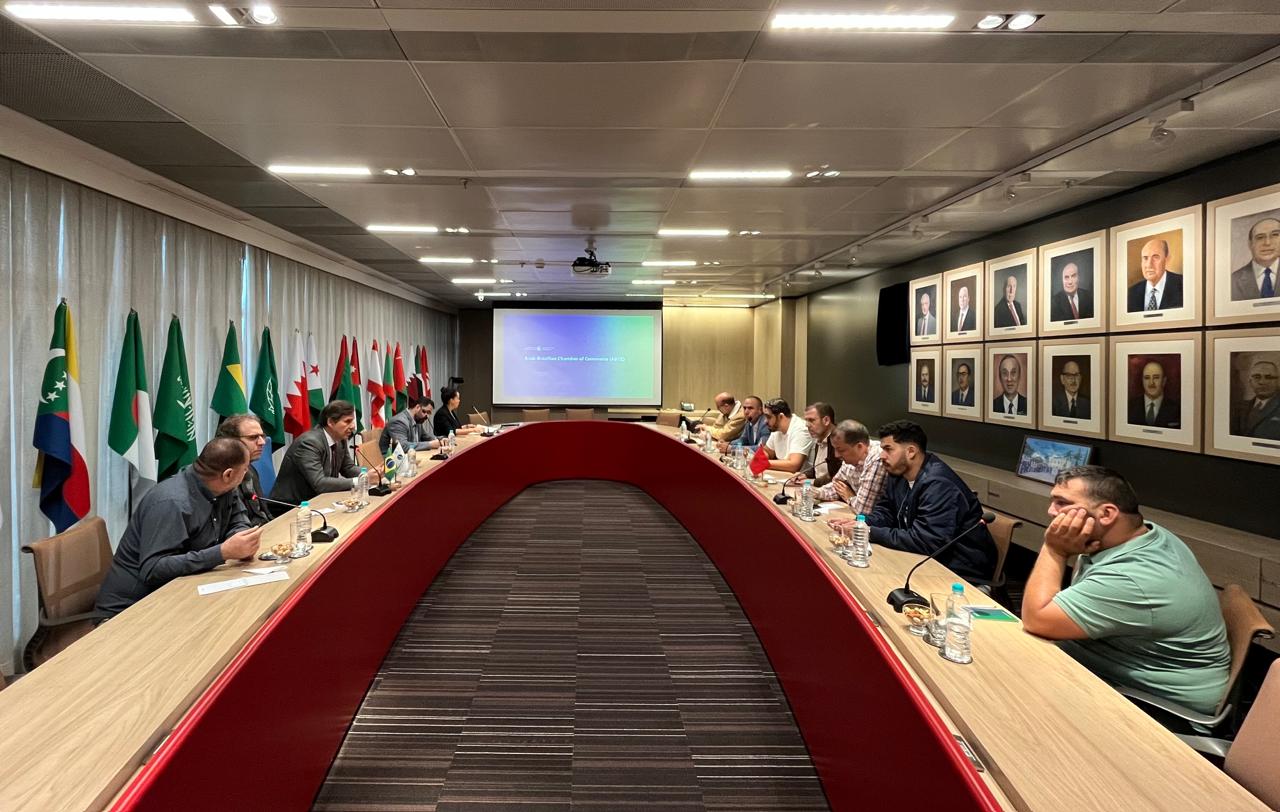
São Paulo – Moroccan livestock farmers visited meat producers earlier this week in search of Brazilian trade partners. In a meeting held at the headquarters of the Arab-Brazilian Chamber of Commerce (ABCC) in São Paulo, members of the Moroccan Federation of Livestock Sector Operators presented the challenges the sector has been facing to supply the local market with live cattle and frozen beef, such as high costs and the need to use intermediaries in negotiations.
The president of the Federation, Mohamed Jabli, said the delegation of seven representatives from the institution frequently visits potential business partners. They decided to come to Brazil because the country is one of the world’s largest producers and exporters of cattle and beef, offering high-quality products and the capacity to meet their demands.
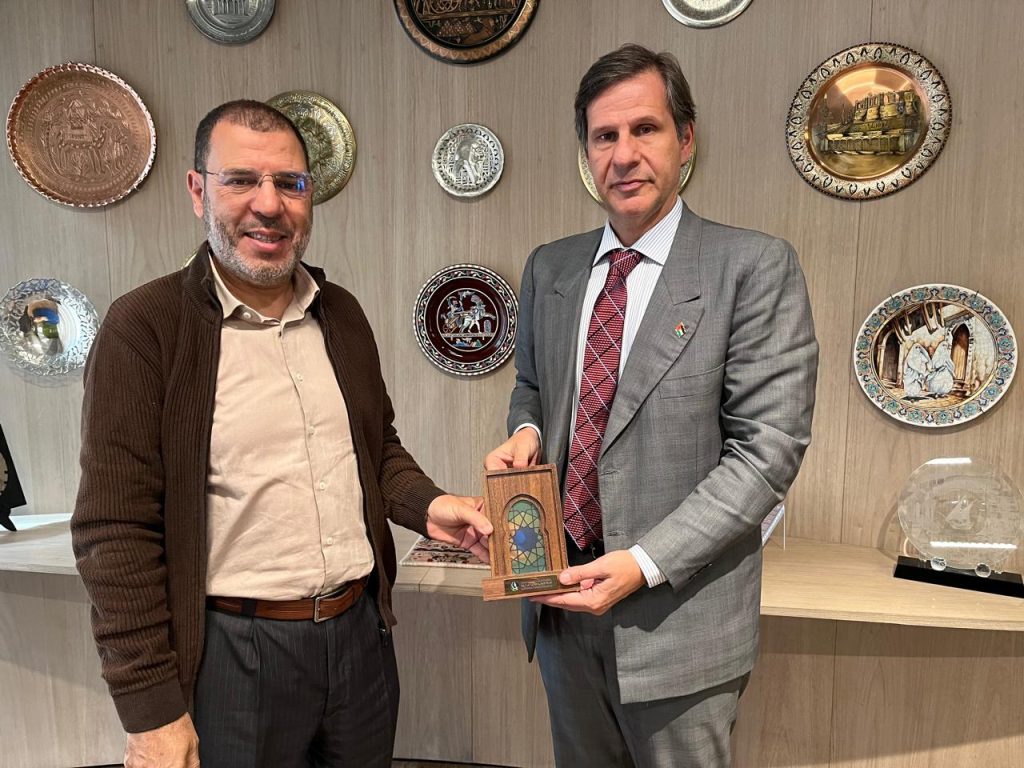
They participated in meetings with companies across the state of São Paulo, in cities such as Presidente Prudente and Barretos. With one of the companies, Jabli told ANBA, a deal could be finalized as early as the beginning of next week.
The meeting was attended by ABCC International Relations Vice President & Secretary-General Mohamad Mourad, Institutional Relations Director Fernanda Baltazar, and Board member Arthur Jafet. The businesspeople said the Federation was founded two and a half years ago to engage in dialogue with the government and present the challenges the sector faces.
Among the challenges is the need to source beef and live cattle from the international market since a drought struck the country seven years ago. Since then, Moroccan livestock farmers have been buying live cattle from European countries such as Portugal and Spain. High costs and difficulties faced by suppliers in meeting local demand have led importers to seek alternatives: Australia, Argentina, Uruguay, and Brazil were some of the countries considered by the Federation, which sees Brazil as a potential partner also due to its competitive prices.
Trade partnership between Brazil and Morocco
“We currently import with an intermediary between the seller and us, buyers. We want to do business directly, without the intermediary. And we want to have the trust of exporting companies to close the deals,” Jabli said during the meeting with the ABCC.
Mourad and Baltazar said the institution has recently conducted a trip to Brazil’s northern state Pará, the country’s second-largest live cattle producer, which already exports to Egypt and Oman. “Morocco is closer to Pará than those countries,” Mourad said, citing a benefit from which Moroccans can take advantage.
Baltazar presented the activities that the ABCC carries out in the relationship between Brazil and Morocco and said that a delegation of Moroccan businessmen is likely to visit Brazil in September. Mourad suggested this could be an opportunity for the livestock farmers to meet more companies in the country and visit farmers in Pará.
Data from Brazil’s Ministry of Development, Industry, Trade, and Services compiled by the Market Intelligence department of the ABCC and presented at the meeting, show that Brazil exported USD 1.395 billion to Morocco in 2024, an increase of 12.7% compared to 2023, mostly in sugar, cereals, and live cattle. Morocco, in turn, exported USD 1.387 billion, a decrease of 1.7% in the same comparison, mostly in fertilizers, chemical products, and clothing.
Read more:
Morocco receives first live cattle shipment from Brazil
Translated by Guilherme Miranda
