



Tehran and Paris — Oil prices surged this Monday (9) amid the war in the Middle East and the appointment of Mojtaba Khamenei as Iran’s new leader, succeeding his father, who died in U.S. and Israeli attacks on the Islamic country.
Iran responded to the bombings, which began on February 28, with attacks against its Gulf neighbors. One strike caused a fire this Monday at the Al Ma’ameer oil facility in Bahrain, according to local media.
Attacks on energy infrastructure, the blockade in force in the Strait of Hormuz—through which 20% of the oil and liquefied natural gas consumed worldwide passes—and fears over regional stability are triggering panic in the markets.
European stock markets opened lower: Paris fell 2.59%, Frankfurt 2.47%, and London 1.57%. In Asia, Tokyo dropped 5.2% and Seoul declined 5.96%.
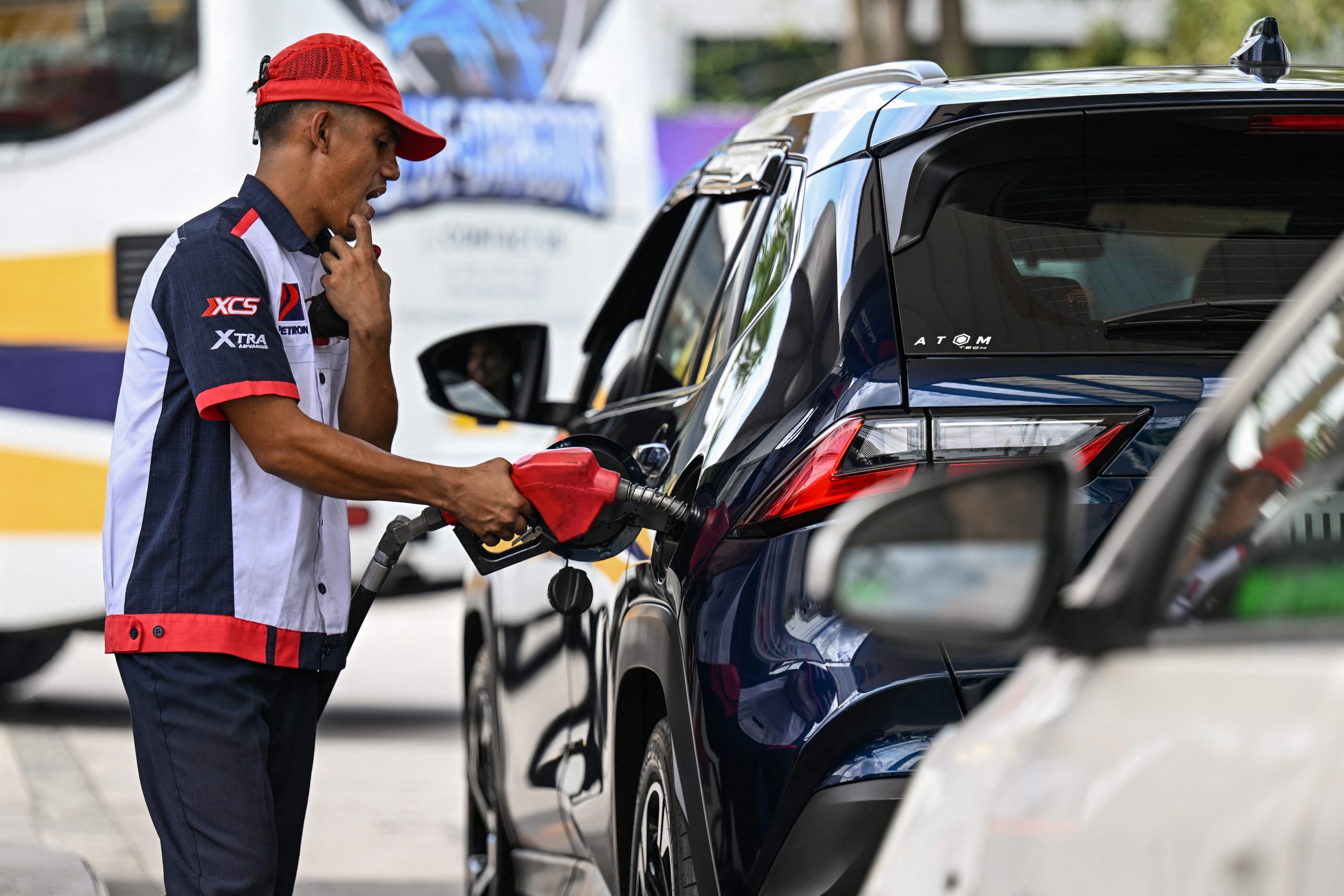
The barrel of West Texas Intermediate (WTI), the U.S. market benchmark, rose above USD 118 in early trading, the highest level since 2022, when prices surged following Russia’s invasion of Ukraine.
Since the start of the war, the price of a barrel of WTI has risen 70%, something never recorded over such a short period. U.S. President Donald Trump said the increase is a “small price to pay.”
Threat to water
Attacks on water infrastructure are rare in wartime, but they have occurred in the ongoing conflict in the Middle East with bombings of desalination plants, a sector essential for millions of people in the region.
A desalination plant in Bahrain was damaged on Sunday after a drone attack. These types of strikes are still limited, but as water-resources economist Esther Crauser-Delbourg told Agence France-Presse: “Whoever dares to attack water will unleash a war far more devastating than the current one.”
In one of the driest regions in the world, where access to water is ten times lower than the global average, according to the World Bank, desalination plants play a key role in the economy and in supplying drinking water to its millions of inhabitants.
Read more:
Gulf may halt energy exports
*Reproduction of this content is prohibited
Translated by Guilherme Miranda

