



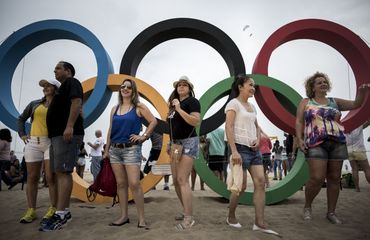
São Paulo – The 2016 Summer Olympics in Rio de Janeiro saw 1.17 million tourists flock to the city, according to information made public this Tuesday (23) by mayor Eduardo Paes. They were 410,000 foreigners and 760,000 Brazilians.
According to the mayor, 17% of foreign tourists, or 69,700, were from the United States, 12% were Argentinian and 7% were Germans. As for the Brazilians, 43%, or 326,800, were from the state of São Paulo, 9% were from Rio Grande do Sul and 7%, from Minas Gerais.
Paes said the Games led to an increase in retail sales, especially of food products. Bars and restaurants in Rio’s North Side saw a 30% increase in turnover. The area is home to the Maracanã and Maracanãzinho stadiums, where the opening and closing ceremonies took place, as well as soccer and volleyball matches; and the Sambadrome, where the marathon started and ended.
In Rio’s South Side – home to Copacabana beach, where the beach volleyball tournament took place –, bars and restaurants saw revenues soar by 70%. In West Rio, the rate was 20%. Bars and restaurants in the Barra da Tijuca area, where most of the arenas and the Olympic Park are, saw a 45% increase in business.
“You always hear that the defining feature of Brazilians and natives from Rio is their tendency to find workarounds. I believe these Games have shown much more than congeniality and an ability to improvise. I think they showed a huge ability for planning, organization, and serious work,” Rio’s mayor said.
Financial returns
Paes presented numbers that showed that foreigners spent more than did Brazilians. Spending by non-Brazilians averaged at BRL 424.62 per day, with Brazilians doling out BRL 310.42.
In Brasília, the Brazilian Central Bank’s Economic Department head Tulio Maciel said spending by foreign tourists in Brazil were up 40.4% in August. In the first 15 business days this month, foreigners spent USD 417 million in the country. In the comparable period of 2015, the amount was USD 297 million.
State-owned news outlet Agência Brasil quoted Maciel as saying the difference is attributable to the hosting of the Olympics from August 5 to 21. “In other months, travel-related spending revenue in Brazil was going up roughly 5% from the year-ago period,” he said.
The Central Bank expects foreign tourist spending to be up USD 200 million in Q3 from USD 1.389 billion in Q3 2015. The forecast also includes projected spending by foreigners during the Paralympic Games, from September 7 to 18.
*Translated by Gabriel Pomerancblum

