



São Paulo – The Brazilian trade balance posted a US$ 112 million surplus in March (exports higher than imports). The surplus was a result of US$ 17.628 billion in exports minus US$ 17.516 billion in imports. It has been the worst result for March since 2001, when a US$ 276.1 million deficit was recorded. In quarter one, the combined deficit stands at US$ 6 billion, the worst result for the period since records started being kept, in 1994.
The information was released this Tuesday (1st) by the Brazilian Ministry of Development, Industry and Foreign Trade. In March, exports averaged at US$ 927.8 million per day, down 4% from March 2013, but up 16.5% from February 2014. The decline in exports as against last year was mostly due to lower sales of semi-manufactured goods (-19.6%) and manufactured goods (-15.3%).
Regarding the former, there was a decline in revenues from exports of cast iron, gold, sugar, raw aluminium, and raw soy oil, semi-manufactured iron and steel products, and wood pulp. For the latter, export revenues declined for fuel oils, refined sugar, engines and electrical generators, auto parts, vehicle engines and parts, land levelling machines, pumps and compressors, automobiles, paper and cardboard.
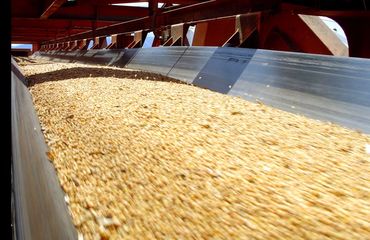
Basic goods kept exports from decreasing by a higher rate. Exports of unprocessed items were up 9.5% March-on-March, mostly due to livestock, copper ore, soybean, soy bran, pork, beef, coffee bean and iron ore.
Imports averaged at US$ 921.9 million, down 3.8% from March 2013 and up 2.1% from February this year. Compared with 2013, fuels and lubricants imports declined. According to the Ministry of Development, Industry and Foreign Trade, the reasons for the decline were lower prices and smaller export volumes for oil, fuel oils, natural gas, charcoal and gasoline. Capital goods imports, i.e. products used by industry, also declined, as did consumer goods imports, including home appliances, beverages, tobacco, clothing, furniture and automobiles.
*Translated by Gabriel Pomerancblum

