



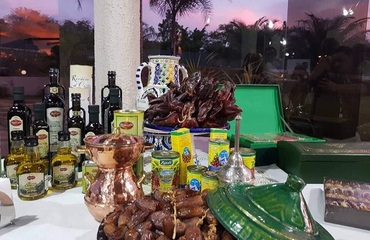
São Paulo – The Embassy of Tunisia in Brasília is holding events in Brazil in a bid to advertise Tunisian products, particularly dates, olive oil and wine. The goal is to increase Brazil’s imports of the former two, as well as introduce wine from Tunisia in Brazil.
<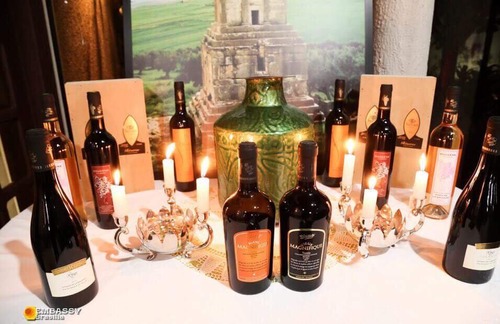
The first event, Tunisian Flavors, took place at the Embassy last Saturday. A promotion event and tasting session, it was attended by 40 journalists and guests. In March and April, meetings with importers and the press are slated to take place in São Paulo and no Rio de Janeiro.
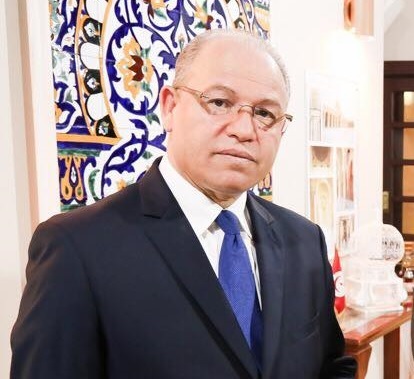
Ambassador Mohamed Hedi Soltani said importers are mostly located in the Rio-São Paulo area, so these meetings are more likely to lead to deal-making. “We are working on setting a date in Rio de Janeiro, and the event will probably happen at the ABS (the Association of Brazilian Sommeliers),” he said.
The ambassador said Tunisian-made wine is heavily French- and Italian-influenced, and that “Tunisia makes excellent quality white, red and rosé wines.” “We wish to start selling to Brazil, which is a major market,” he said.
Despite being predominantly Muslim, Tunisia permits alcohol consumption, and winemaking in the region goes back over 2,000 years. The country’s Mediterranean climate and its rich soil favor the activity. According to the Embassy, 240 million liters of wine were made in Tunisia last year, with the bulk of exports going to France, Germany and Poland.
Olives
<
Olive farming is the flagship of Tunisian agriculture. Tunisia’s the leading olive-producing country in the South Mediterranean. Over 30% of its planted area – 1.68 million hectares – are devoted to olive farming.
The ambassador said the 2017/2018 olive crop reached 280,000 tons, up from 220,000 tons from the prior crop season. Some 80% of output was exported to 54 different countries.
The ambassador said Tunisia is the world’s biggest organic olive oil producer and exporter, and the second-biggest exporter of regular olive oil – the European Union is the first, especially Spain, Italy, Greece and Portugal.
Dates
Dates are the second biggest national crop, and they include a special variety called Deglet Nour, which Soltani said means “date of light.” He also said Tunisian dates are sweeter and their flesh is translucent. “Tunisia remains the world’s leading Deglet Nour exporter,” he said.
According to the Embassy, Tunisia’s date crop went from 150,000 tons in 2016-2017 to 305,000 tons in 2017-2018. Exports amounted 109,000 tons, and the biggest importers were Morocco, Spain, Italy, Indonesia and France.
Brazil-Tunisia
Brazil imported USD 2 million worth of olive oil from Tunisia in 2017 and USD 2.5 million worth of dried fruit, dates included. No wine is sold from Tunisia to Brazil at this time. Total imports to Brazil from Tunisia amounted to ÙSD 50 million last year, the bulk of it being fuels, chemicals, machinery and fertilizers.
*Translated by Gabriel Pomerancblum

