



São Paulo – In 2019, brothers and business partners Jaime and Marcos Venturin, from Brazilian southern state Paraná and active in the timber sector, decided to start a hobby: producing honey. Seeking a sustainable use for leftover wood from their carpentry workshop to build beehives and taking advantage of the property’s existing structure to set up an apiary, the Venturins began with 25 hives first intended for family consumption.

“As we have an entrepreneurial mindset and a structured business plan, we quickly identified the market potential of bee products. We invested heavily in expanding the activity, increasing the number of hives to around one thousand units, spread across 15 partner properties, reaching an average annual production of 20 tons of honey,” says Jaime.
Today, Venturin Apicultura has eight products in its catalog, including bracatinga honeydew honey, which, unlike floral honeys, is not derived from flower nectar but from honeydew—a sugary substance excreted by insects that feed on the sap of the bracatinga tree (Mimosa scabrella), native to southern Brazil’s highlands.
“This phenomenon occurs in a cyclical and natural way, depending on specific climate conditions, which makes production limited and highly valued,” the producer explains. The dark-colored honey has a low tendency to crystallize and is less sweet than floral honeys. Another distinguishing feature is that it is harvested every two years, only in even-numbered years.
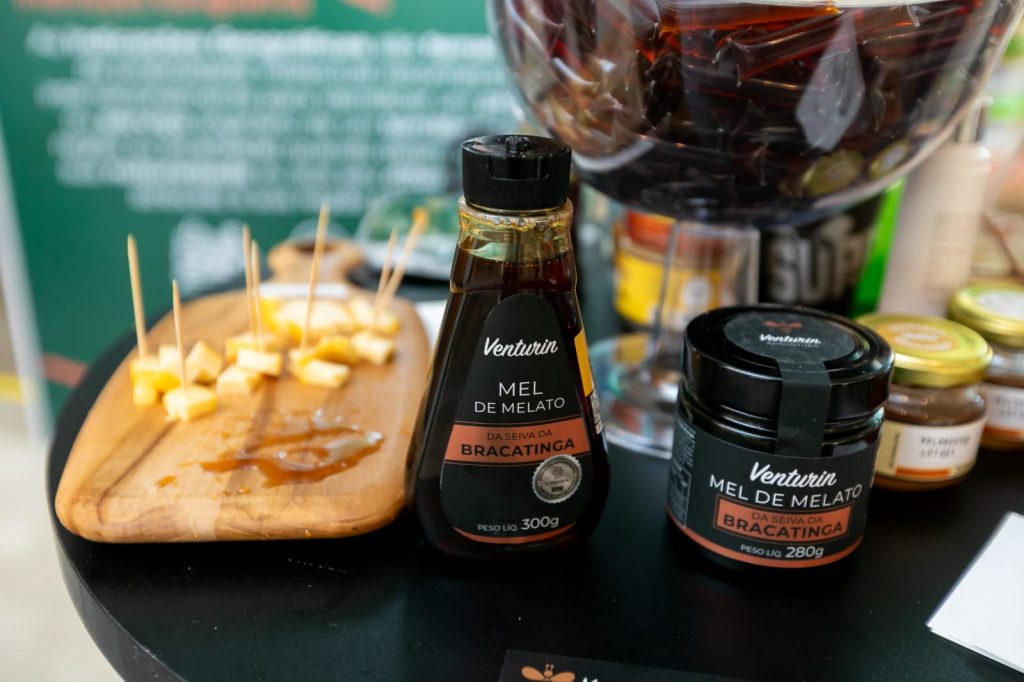
“Beyond its sensory uniqueness, bracatinga honeydew honey has a Geographical Indication (GI), recognizing its exclusive origin in southern Brazil’s highlands and ensuring authenticity, traceability, and territorial identity.” For all these reasons, bracatinga honeydew honey has received important recognitions, such as a Silver Medal (Dark Honey category) at the 2023 Southern Brazil Honey Competition; Top 10 at the 2025 Bom Gourmet Paraná Award; and fourth place at the 2024 CNA Brazil Award.
Looking to small producers
It was also in 2019 that agriculture lobby CNA created the Artisanal Foods Program, which, among many initiatives, runs the CNA Brazil Award—where the Venturin brothers placed fourth. Fernanda Regina Silva, a technical advisor at the confederation and head of the program, says it was designed precisely to support small and medium-sized producers.

Structured around five pillars, the program supports artisanal food producers in areas such as compliance and regulation, taxation and credit lines, collective organizations, training and capacity building (in partnership with the National Rural Learning Service – SENAR), and marketing and commercialization. In the latter, initiatives include inviting a renowned chef to cook with one of the products selected in the awards. This year, applications are open for the Award in the categories of olive oil, cachaça, and dulce de leche (learn more here).
In nearly seven years of the project, the program has gained popularity across Brazil. “Before, I had to chase after technical judges for the competitions; now we’re so well known that they come to us,” Silva celebrates. Thanks to a database created by her team, it is possible to map much of what has been developed in this field in Brazil.
Brazilian olive oil
Another CNA Brazil Award winner is Capolivo, from southern Rio Grande do Sul state, founded in 2018 with a symbolic production of just 300 liters of olive oil. The company is based in Canguçu. “In 2019, production moved to a commercial scale,” says Carolina Capoani, one of Capolivo’s partners. “From the start, the project was focused on producing our own olive oil: the olives have always been grown for the brand’s final product, not for sale to third parties.”
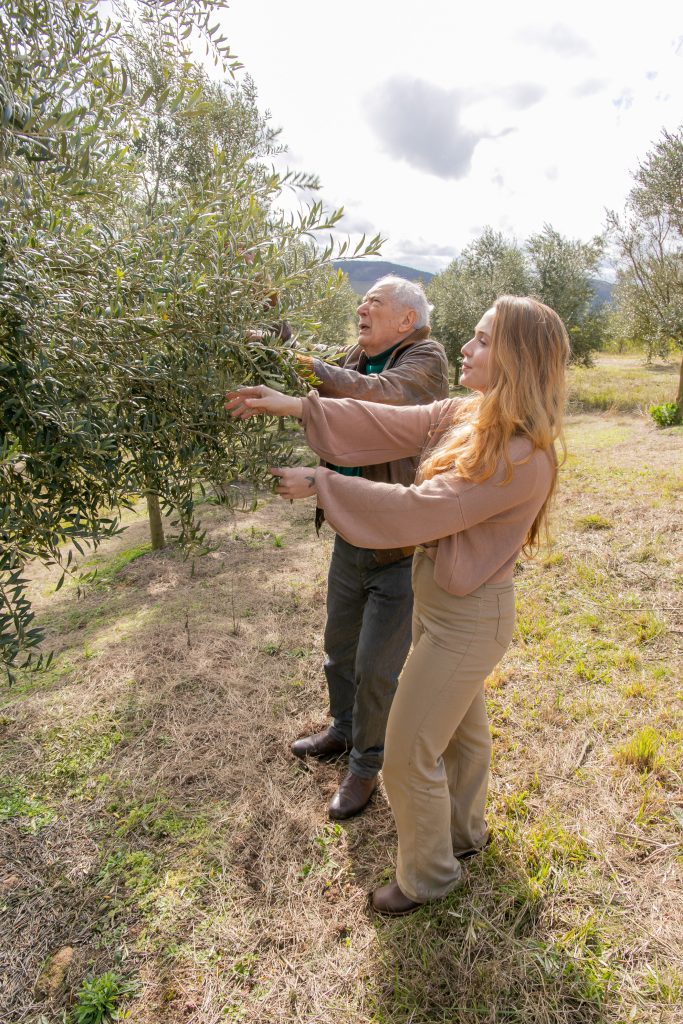
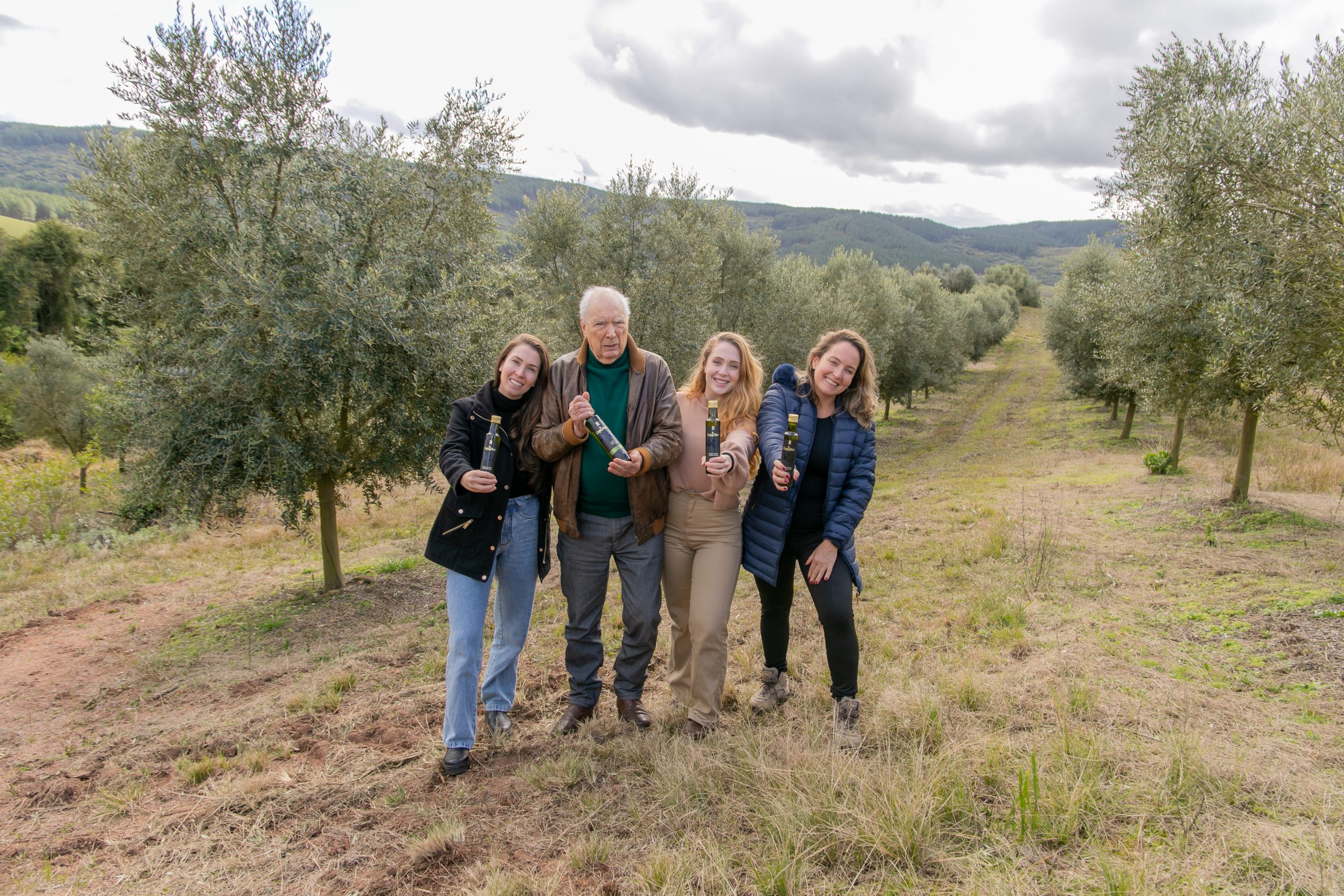
The company is family-run, and in its first year of sales, the founder’s three granddaughters—Carolina among them—went door to door introducing Capolivo to potential clients, bringing a completely new product to the market. The name, in fact, combines the surname Capoani and Olivo.
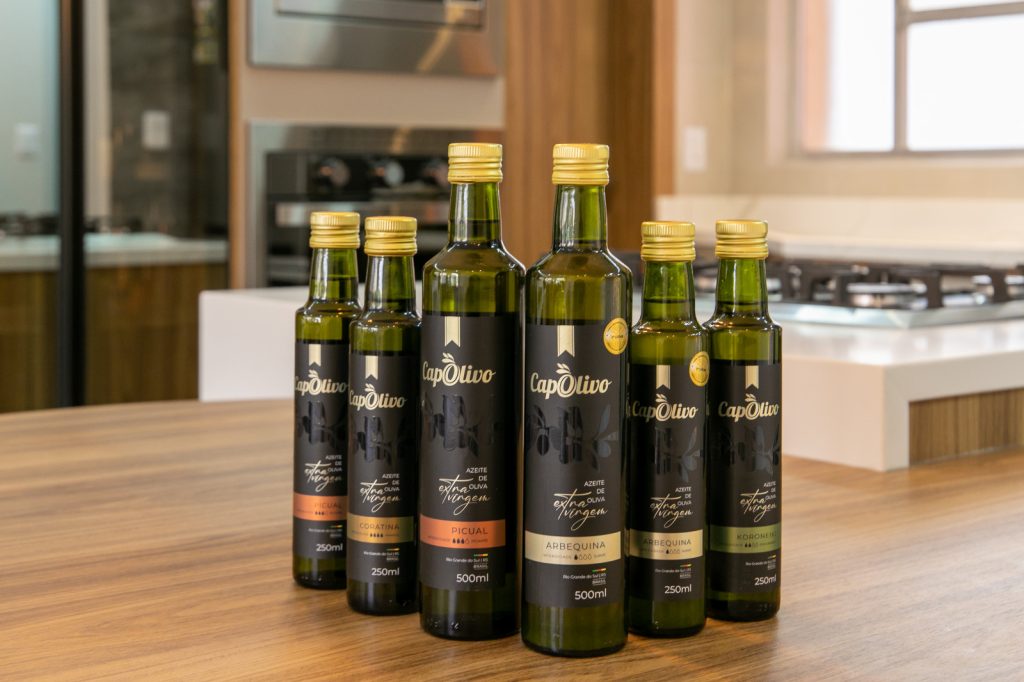
The brand works with olive varieties of Spanish, Greek, and Italian origin. According to Capoani, those that adapted best to the local soil and climate were Arbequina, Koroneiki, Picual, and Coratina. The decision to produce monovarietal olive oils—made from a single variety—was strategic, aiming to preserve the distinct sensory characteristics of each variety and highlight their individual identities.
In a short time, Capolivo has already won more than 40 awards. Among the main recognitions are Best Monovarietal Olive Oil in Brazil by the CNA, Best Olive Oil in Brazil and the Southern Hemisphere at the Brazil International Olive Oil Competition, and Best Olive Oil in Brazil by Olivinus. “The recognized quality is attributed to the terroir, the climate and soil suited to production, as well as strong family involvement at every stage of the process,” says the producer.
During the harvest period, the operation employs up to 28 people on the farm, including 10 permanent staff. The commercial side is handled in-house by the family: three sisters lead sales, with support from their uncle. Their father, an agronomist, works more directly on the farm alongside a technician responsible for managing the property. Their grandfather, at 90, remains a central figure in the company. Only in the marketing area do they rely on an outsourced firm.
Sales and exports
Capolivo currently sells nationwide through its online store and supplies specialty food shops, delicatessens, natural product stores, and some premium supermarket chains. Its main markets are Rio Grande do Sul, São Paulo, Minas Gerais, and Brasília, but its reach is national. “At present, the company does not yet export, but there is interest in expanding into the international market and bringing its olive oil to new palates around the world,” says Capoani.
Venturin Apicultura follows a similar path: it has its own online store that sells nationwide. Its main market is concentrated in the South and Southeast regions, with shipments across the entire country. “We are export-certified, hold organic certification, and take part in the Net Zero Brazil project, in partnership with Sebrae , which promotes the competitiveness of small businesses, integrating initiatives focused on decarbonization and corporate sustainability—aligned with our strategy to enter the international market,” says Jaime, confident that their honey will soon sweeten palates abroad.
Learn more
https://www.venturinapicultura.com/
https://www.capolivo.com.br/
@azeitecapolivo
@venturinapicultura
Report by Débora Rubin, in collaboration with ANBA
Translated by Guilherme Miranda
