



São Paulo – Airlines from Europe and Africa are expanding suspensions of flights to Gulf countries amid the ongoing conflict. Some carriers say they will only resume normal operations toward the end of the year, as the situation gradually stabilizes.
Countries such as the United Arab Emirates—home to Emirates—and Qatar, where Qatar Airways is based, have been hit by retaliatory attacks from Iran, which in turn has been targeted by actions from the United States and Israel.
Gulf airports—such as Dubai, Abu Dhabi and Doha—serve as major hubs for connecting flights, linking the West and the East. The conflict, however, is prompting airlines based in these cities to scale back operations, while carriers headquartered elsewhere are canceling departures and arrivals.
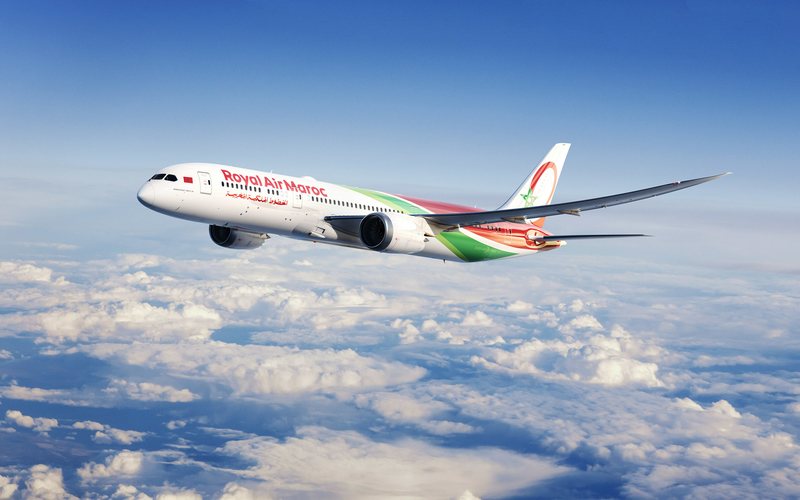
Flights operated by Royal Air Maroc to and from Doha are suspended until June 30, while services to Dubai are canceled through May 31. Based in Bahrain—another country affected by the conflict—Gulf Air is not operating in its home country. Its flights are instead taking off and landing in Dammam, in Saudi Arabia.
Among European groups, Lufthansa has suspended flights to Abu Dhabi, Amman, Beirut, Dammam and Riyadh, Erbil, Muscat and Tehran through October 24. For Dubai and Tel Aviv, suspensions remain in place until May 31. Flights operated by companies within International Airlines Group (IAG)—which controls Iberia and British Airways, among others—will remain suspended through the end of the year for Abu Dhabi, and until May 31 for most Gulf destinations.
Within the Air France-KLM group, Air France will not operate flights to Beirut, Tel Aviv, Dubai and Riyadh until April 19. Meanwhile, KLM has suspended services to Riyadh, Dammam and Dubai until May 17. The airlines said the suspensions are related to passenger and crew safety. In addition, some carriers have warned that if the Strait of Hormuz remains closed this month, they may face fuel shortages for their aircraft.

