


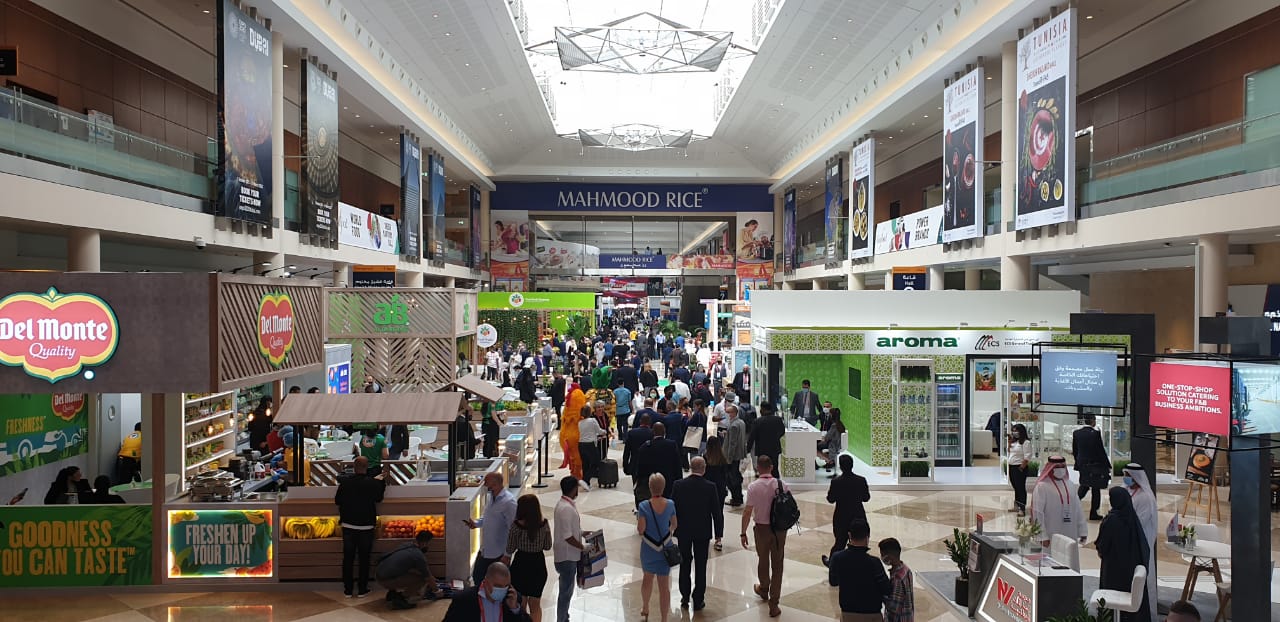
São Paulo – The Middle East’s largest food and beverage trade fair, Gulfood, will feature 15 companies across two booths organized by the Arab-Brazilian Chamber of Commerce (ABCC) from January 26 to 30. For the first time, the event will be held at two venues: the Dubai World Trade Center (WTC) and Expo City Dubai, the site that hosted Expo 2020, both in Dubai, United Arab Emirates.
In the pavilion dedicated to meats, products from meat trading companies Agroexport and Timbro will be showcased, along with Mundus Marketplace, a B2B agribusiness platform, and Tropicool, a producer of açaí products. In the World Foods pavilion, participating companies include Camap, a peanut producer; Stefenoni, which produces coffee and pepper; Pommer Ginger, a trading company dealing in ginger, eggs, coffee, and chicken; Golden Agri; International Trading; Ovos Pommer; Ovos Santa Maria; coffee cooperative Cooxupé; international logistics and transportation company KPM Logistics; and Santa Maria. M. Dias Branco, a manufacturer of pasta, cakes, biscuits, and snacks, will also take part. Invest Paraná will represent the state’s agribusiness sector at the ABCC’s booth at the event.
According to Gulfood, the decision to split the fair between two venues reflects the event’s growth, with 195 countries represented this year. The WTC will host companies and products related to meats, beverages, dairy, and oils. Expo City will host, among others, suppliers of grains, organic foods, and logistics companies.
Vice President of International Relations & Secretary-General of the ABCC, Mohamad Orra Mourad, says Gulfood is consolidating itself as the world’s third-largest food trade fair, alongside Sial, held in France, and Anuga, in Germany. He believes that the fair’s growth and its division across two exhibition venues create more business opportunities for Brazilian companies.
Ramadan brought Gulfood forward on the calendar
“This will mean more opportunities for us [at the ABCC] because we have expanded our space as the fair has grown, which ends up attracting companies that work with higher value-added products. It’s a great opportunity not only to target the Arab market and distribute within it, but also because many Arab countries—especially in the Gulf—are used as re-export platforms,” says Mourad.
This year’s edition was brought forward from its traditional schedule. The fair is usually held in February, but Ramadan—the holy month for Muslims—will take place this year between February 17 and March 19, prompting a change in the event’s dates. “This only helps, because we’ll have more Muslim buyers attending the fair and with the opportunity to shop and learn about more products. Brazil ends up becoming a showcase for these companies,” he says. In addition to the companies exhibiting with the ABCC, sectoral institutions and Brazilian companies will have their own booths at the fair.
Read more:
Gulfood ends with strong demand for Brazil’s goods
Translated by Guilherme Miranda
