



São Paulo – The Arab-Brazilian Chamber of Commerce (ABCC) took part in a private sector discussion and held meetings this week at the COP30 climate summit to identify opportunities for exchange between Brazil and Arab countries in the area of sustainability, which is the main theme of the event. COP30 began on Monday (10) in Belém, Brazil’s Pará state, and runs until November 21, bringing together companies, civil society, and delegations from 194 countries.
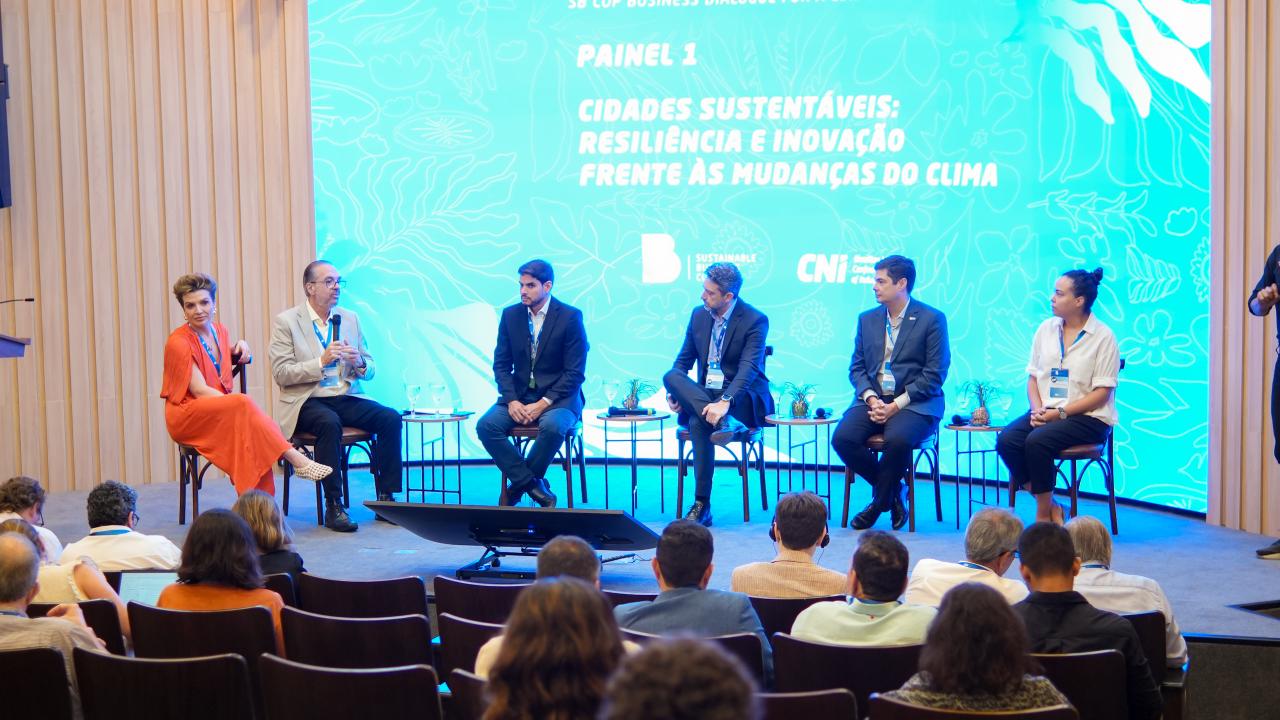
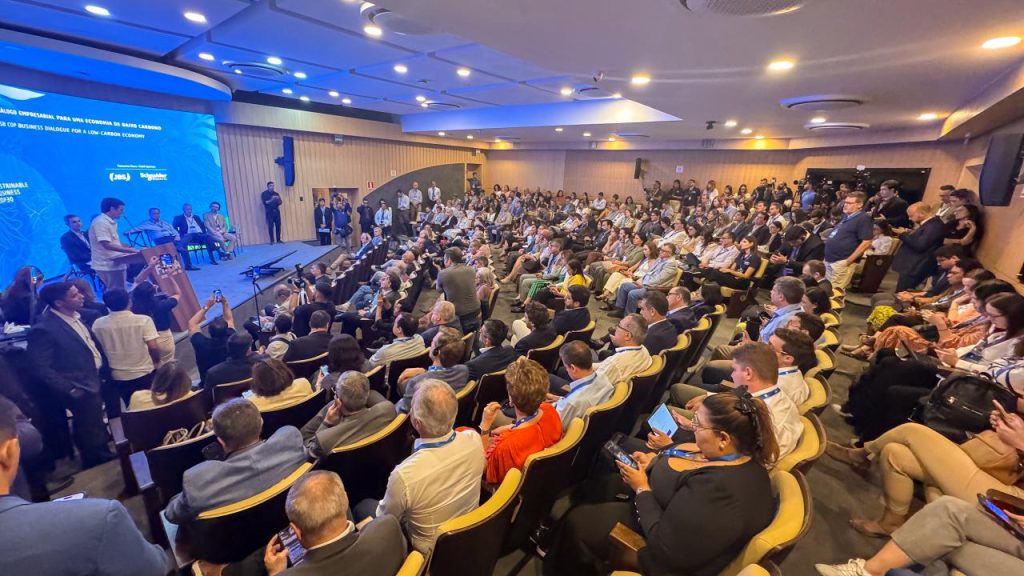
ABCC Institutional Relations Director Fernanda Baltazar was one of the panelists in the discussion “Sustainable Cities: Resilience and Innovation in the Face of Climate Change,” which was part of the SB COP Forum: Business Dialogue for a Low-Carbon Economy, organized by the Brazilian industry lobby, the CNI, on Wednesday (12) in Belém. The event aimed to foster debate and networking among Brazilian industries, their counterparts, and international organizations, and to drive the transition toward a low-carbon economy.
“There are many similarities when we look at Brazil and Arab countries, both in terms of projects and challenges,” Baltazar told ANBA regarding sustainable cities and urban issues in the two regions. She listed common challenges such as desertification, population growth in major cities, and water management. “Egypt, for example, is beginning to build new cities,” she noted.
This was one of the points raised by the director during the panel, along with the need to look at the Arab world beyond investment attraction. “Beyond investment, it’s also worth thinking about exchange—about building a common agenda, about how we can connect and create a space for dialogue, with young people, for example,” Baltazar said, echoing a question she raised during the discussion.
The forum in which Baltazar took part was organized by the CNI as part of an initiative called Sustainable Business COP (SB COP). SB COP is a strategy developed by the private sector to ensure its presence in the climate conference discussions, involving not only companies and organizations from Brazil but also from other COP30 member countries. The ABCC is part of the initiative and has been working in partnership with the CNI on sustainability issues since COP27, which was held in an Arab country—Egypt.
Baltazar also represented the ABCC at a dinner hosted by Pará industry group Fiepa on Monday (10), visited the Green Zone spaces to learn about the initiatives on display, and throughout the week held a series of meetings that helped identify opportunities for exchange between Brazil and Arab countries in the field of sustainability. The governor of Pará, Helder Barbalho (MDB), attended both the CNI forum and the Fiepa event.
COP30 consists of two main areas: the Blue Zone, the diplomatic center of the conference, where official climate negotiations between countries take place and where the Leaders’ Summit was held prior to the 10th, bringing together heads of state and government, and the Green Zone, which is open to the public and geared toward civil society, companies, public institutions, and organizations. This area hosts lectures, exhibitions, concerts, cultural performances, and debates on various aspects of sustainability.
Read more:
COP30: 111 countries submit climate target plans
Translated by Guilherme Miranda
