


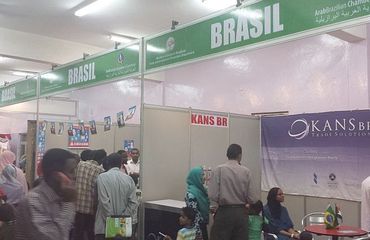
São Paulo – The Arab Brazilian Chamber of Commerce will take part, between January 21-28, in the 32nd edition of the Khartoum International Fair. The exhibition offers business opportunities to companies and visitors from all sectors of the economy. This will be the sixth participation of the Arab Chamber in the event, and it will happen under a partnership with the department of commercial promotion of Brazil’s Ministry of Foreign Relations and with the Brazilian embassy in Khartoum.
In next year’s edition, the Brazilian stand, located in the main pavilion, will host an executive of the Sudanese company CTC that works in Brazil. The company is one of the main business groups of the Arab country. From Brazil, CTC sells to Sudan, especially agricultural machines, a sector that, according to Arab Chamber’s CEO Michel Alaby, carries one of the biggest business potential in the Arab country. “It’s a great market for machinery, it has abundant land, water and it’s closely linked to agriculture”, says Alaby.
Other sectors in which deals can potentially be made are foodstuffs, cosmetics, building materials and hospital equipment. The Arab Chamber’s representative at the fair, international business executive Rafael Solimeo, will provide any information on Brazilian companies that may be of interest to the Sudanese. There are Brazilian consultants and companies active in the Arab country. The Pinesso conglomerate produces cotton and soy in the North African country.
During the exhibition, Solimeo and the executive from CTC are expected to attend meetings with technicians from the ministries of Agriculture, Foreign Trade and industry. “CTC already represents Brazilian enterprises, and we want it to be able to keep in touch with local importers and the ministries through our efforts in intermediation,” Alaby said.
In 2013, Brazil exported US$ 53.63 million worth of products to Sudan. Of these, processed foods accounted for US$ 49.2 million and machinery and electronic products accounted for US$ 8.2 million. Imports stood at US$ 250,000 and consisted mostly of seeds and oilseeds.
*Translated by Sérgio Kakitani & Gabriel Pomerancblum
