



São Paulo – Even though Brazil is a major buyer of olive oil, Arab brands still retain a minor share of the market. Data supplied by the Brazilian Association of Olive Oil Producers, Importers and Traders (Oliva) show that Tunisia, Lebanon, Syria and Morocco exported a combined 485.7 tons of the product to Brazil from January to October. This accounted for 0.92% of total imports, which amounted to roughly 52,700 tons.
<
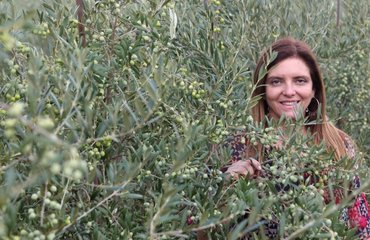
Oliva chairwoman Rita Bassi says Arab countries make quality olive oil, but its brands are not known in Brazil. “Tunisia is selling olive oil to the entire world,” Bassi told ANBA after a meeting with industry players at the offices of the Arab Brazilian Chamber of Commerce in São Paulo.
Tunisia shipped 459.3 tons of olive oil to Brazil in the first ten months of this year; Lebanon shipped 25 tons, Syria shipped 1.3 ton and Morocco shipped 130 kg. These four countries rank sixth, ninth, 13th and 15th on the list of Brazil’s olive oil suppliers. The top three are, in this order, Portugal, Spain and Argentina. Portugal alone sold approximately 31,500 tons of product.
Bassi of Oliva claims Arabs must make their products known in Brazil. They need to spread awareness and decide which segments they wish to be active in, like premium or average. According to Bassi, Arab olive oil sales to Brazil are sporadic.
She stresses that Arab brands should join the Apas Show, an expo held by the São Paulo Supermarkets Association. She believes this would enable Arab companies to get an overview of the Brazilian market, but notes that this alone would not suffice to enable major sales. “These countries need to be showcased,” she asserts, while suggesting that prospective suppliers should have someone in Brazil to help them out.
Brazil is regarded as a key global olive oil market. The country stands a chance of becoming a member of the International Olive Council (IOC), the industry’s premier organization worldwide. Brazil’s Oliva is already a member. Rita Bassi explains that since two years ago, the IOC allows olive oil-consuming countries can apply for membership – only producing countries used to be allowed to do so. “Brazil’s output is negligible,” she says.
Brazil’s, minor output, numerous population and territorial extension make it relevant when it comes to olive oil imports, not to mention that Brazilians are buying more and more of the product, according to Bassi. “Olive oil is an aspirational product, it’s become a trend and people don’t want to be left out,” says the chairwoman. According to her, even the lower-income demographics in Brazil seek out the good olive oil brands.
She believes the culinary trend and the quest for well-being both boost olive oil sales. “There’s this gourmet trend going on in Brazil right now. People want to get in the kitchen. Cooking has become a therapy. There are so many chefs nowadays, and contests like MasterChef; people are all about their food,” she says.
Brazilians no longer use olive oil for their salads only. “Now you have your entrées with olive oil as an ingredient. You grab your toast, a few spices a bottle of olive oil, and you have your entrée. You’re gonna sauté? Get your olive oil. You’re gonna fry it up. Olive oil is the type of fat that can withstand high temperatures best without degrading,” says Bassi.
She points out, however, that imports have gone down as a result of the economic crisis. “But that’s not the case only with our industry,” she quips. Moreover, olive oil consumption in Brazil peaks during Christmas and the New Year. And the biggest market is Rio de Janeiro, although São Paulo is very relevant, Bassi notes.
Few are the olive oil manufacturing efforts in Brazil. Mostly, they concentrate in Rio Grande do Sul and the Serra da Mantiqueira area, and Bassi believes this won’t change any time soon. She points out that farmers are running into blossoming problems. And then there’s the fact that an takes three to four years to bear fruit, plus you need a big amount of olives to make one liter of olive oil. “It takes time,” she says.
According to Bassi, things are looking good for Brazilian olive oil imports right now. “The harvest is going well,” she says regarding Europe’s olive crop, which began in October. Big crops lead to lower prices and are advantageous to consumers.
The Arab Brazilian Chamber is a member of Oliva. According to Bassi, Arab olive oil brands can also become members if they sell their product in Brazil. The work done by Oliva includes quality control, industry discussions, promotion of Brazil’s market to international players, and fraud prevention in the domestic market.
*Translated by Gabriel Pomerancblum
