



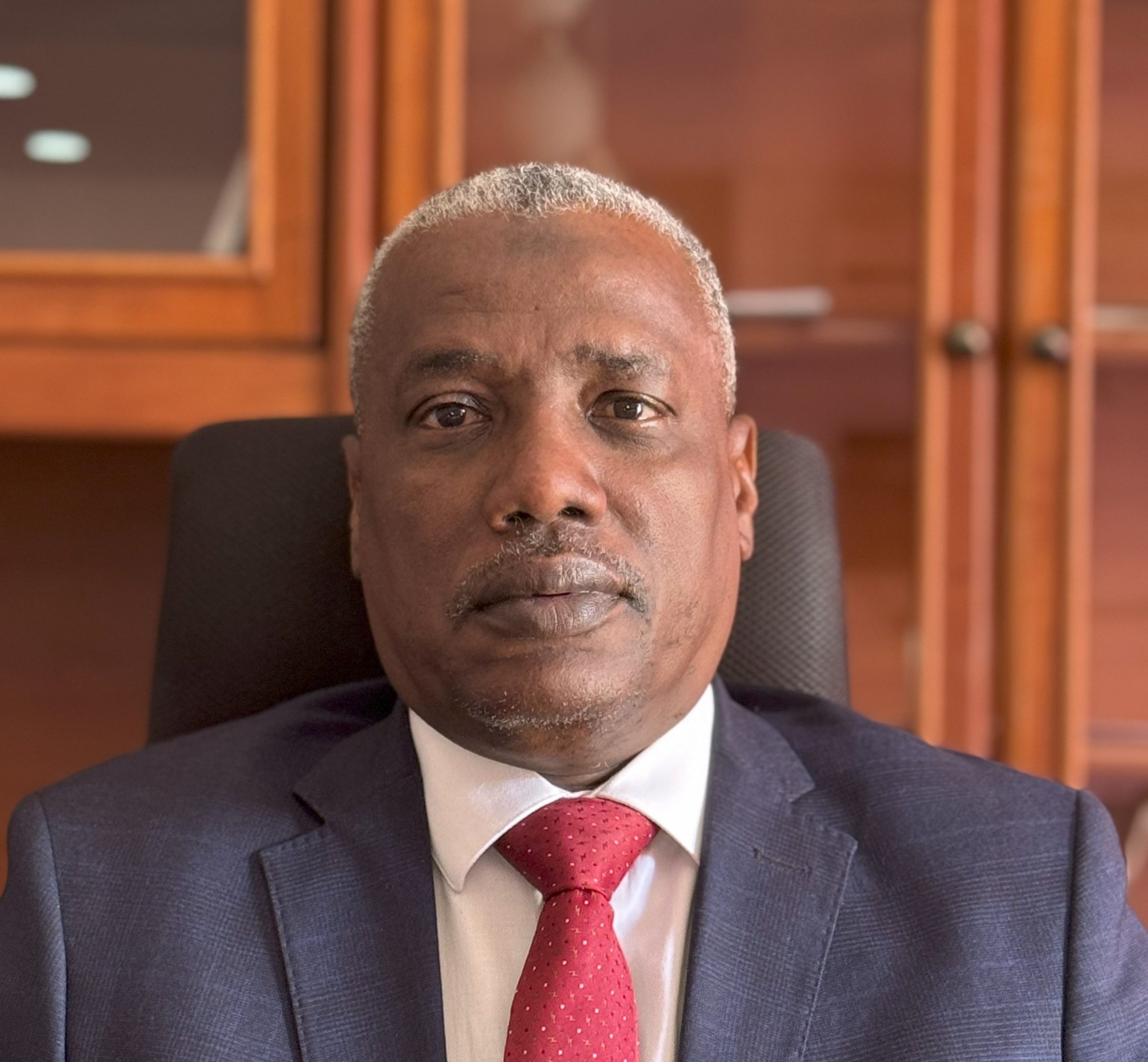
By Ahmed Swar*
As the international system undergoes profound transformation and traditional North–South paradigms continue to erode, Sudan faces a critical opportunity to recalibrate its foreign partnerships on more balanced and pragmatic terms. Within this shifting landscape, cooperation with Brazil stands out as a credible model of South–South engagement—one grounded in knowledge transfer, shared development priorities, and mutual benefit, rather than conditionality or historical asymmetry. For Sudan, this partnership carries particular weight at a moment when post-war reconstruction, state-building, and economic recovery are inseparable from broader global challenges, notably food security.
Brazil’s engagement with Africa is shaped by deep historical and cultural ties, reinforced by the country’s position as home to the largest population of African descent outside the continent. This legacy has informed a foreign policy approach that frames Africa not merely as an economic frontier, but as a strategic partner within a broader Global South vision. The return of President Luiz Inácio Lula da Silva has reinforced this orientation, restoring Africa to a central place in Brazil’s diplomatic agenda as part of its wider effort to strengthen multilateralism and rebalance global governance.
Despite significant complementarities, Brazil–Sudan relations have historically lagged behind Brazil’s partnerships with other African states, particularly Lusophone countries such as Angola and Mozambique. Yet Sudan’s current circumstances create space for a strategic reassessment. As the country seeks partners with practical development experience—rather than prescriptive policy frameworks—Brazil offers a relevant and credible reference point, having navigated its own challenges of inequality, institutional reform, and inclusive growth.
Agriculture constitutes the most strategic axis of potential cooperation. Sudan possesses one of the world’s largest reserves of underutilized arable land, alongside substantial water resources and ecological diversity. However, decades of conflict, underinvestment, and weak value chains have constrained productivity. Brazil’s globally recognized expertise in tropical agriculture—spanning research, mechanization, smallholder integration, and agri-industrial development—presents a tangible pathway for transforming Sudan’s agricultural sector. Beyond domestic food security, such cooperation could position Sudan as a reliable supplier within regional and global food markets, at a time when supply disruptions and climate pressures are reshaping global demand.
Health cooperation represents another critical pillar. Sudan’s health system has been severely weakened by conflict, creating an urgent need for scalable, cost-effective solutions. Brazil’s experience in universal healthcare, public health governance, and the production of affordable generic medicines offers practical models that could support system recovery while mitigating humanitarian pressures.
Equally important is cooperation in education and capacity-building. Sustainable reconstruction depends not only on physical infrastructure but on human capital capable of managing institutions, planning development, and sustaining reform. Academic exchanges, professional training, and technical cooperation in public administration would therefore play a decisive role in anchoring long-term stability.
Politically, Brazil and Sudan share converging perspectives on key international issues, including the reform of global governance, respect for sovereignty, and the prioritization of political solutions over coercive interventions. Brazil’s consistent emphasis on dialogue, development, and multilateral engagement enhances its potential role as a constructive partner for Sudan within international forums, particularly given Brazil’s influence within the Global South.
Challenges remain substantial. Persistent insecurity, institutional fragility, and intensifying geopolitical competition all constrain the pace and depth of cooperation. Advancing this partnership will require sustained political commitment and a strategic framework that moves beyond ad hoc engagement toward long-term development planning.
As BRICS consolidates its role within an emerging multipolar order, Brazil–Sudan cooperation acquires significance beyond the bilateral level. The convergence of Brazil’s agricultural expertise and Sudan’s natural endowments offers a rare opportunity to contribute meaningfully to global food security while advancing Sudan’s reconstruction and integration into the Global South’s evolving economic architecture. In this context, the partnership represents not only a development option, but a strategic alignment with the realities of a changing world order.
*Ahmed Swar is Sudan’s ambassador to Brazil.
The opinions expressed in the articles are the responsibility of the authors.

