


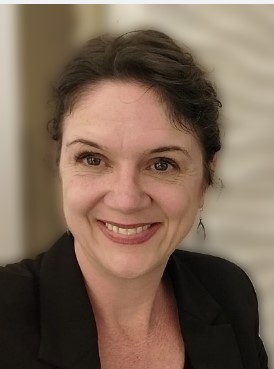

São Paulo – The leather is exotic by Brazilian standards. It’s from Syrian snakes, camels and sheep. By the hands of Fitoon Assi’s family in Syria, the hides are worked into purses, wallets and shoes. Assi, who lives in Brazil, imports the items and sells them to make a living in Brazil.
The entrepreneur, who’s lived in São Paulo under refugee status for three years, launched the brand Jasmin de Damascos so she could do her business. For two years, she ran a shop on Brigadeiro Luiz Antônio Street, in the Bela Vista district near Avenida Paulista, which she had to shut down because the rent was too costly.
Now, she sells her Syrian items in fairs organized by non-governmental organizations (NGOs) that support refugees, especially by Instituto de Reintegração do Refugiado (Adus, the Institute for Refugee Reintegration). The next Adus event she will be in is Festival Árabe Janela do Oriente (Portuguese for the Window to the East Arab Festival), on April 29 and 30, at Armazém da Cidade, in the Vila Madalena district of São Paulo.
Fitoon went entrepreneur in Brazil. Back in Syria, she used to work as a medical lab technician. A native of Damascus with a degree in Laboratory Science, she used to live in the city’s Ghouta Al-Sharqiya district, but then the war made life too unsafe. At first, she sought asylum in Beirut, Lebanon.
She did find work in Beirut as a lab technician, but “the pay was too low, there was no school for my daughters and no work for my husband,” Fitoon says in Portuguese, which she is still learning. She spent five months in Lebanon before relocating to Brazil with her 9- and 11-year old daughters and husband.
Despite her lack of past experience, the 37-year old refugee seems at ease in her new role as a businesswoman. Besides the snake, camel and sheep hides, she also sells purses made from Damask, a traditional fabric in Syria.
Jasmin de Damascos also sells items such as towels and cushion covers. Everything is semi-handcrafted in Syria: some of the work is done with machines, and some is done manually by Fitoon’s Syrian relatives. Her husband sells Brazilian-made clothes in a fair.
Above all things, Fitoon celebrates the fact that her daughters are going to an Islamic school in São Paulo. The family is Muslim.
Quick facts:
Jasmin de Damascos
Facebook: https://www.facebook.com/Jasmin-de-Damascos-1476488295968851/?hc_ref=SEARCH&fref=nf
Phone & WhatsApp: +55 11 95794-6335
Email: jassmin.de@gmail.com
*Translated by Gabriel Pomerancblum
