



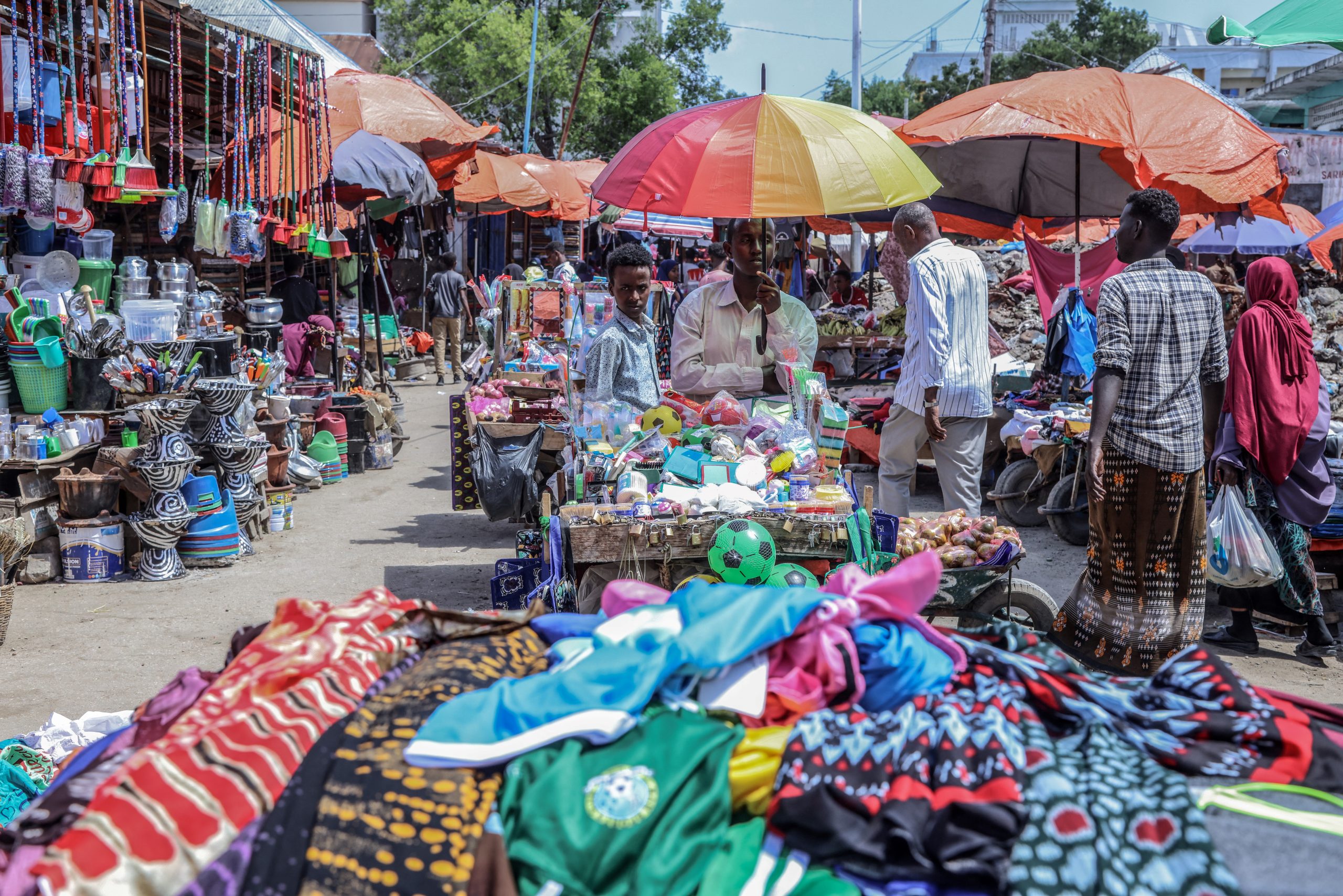
São Paulo – After growing 4.1% in 2024, Somalia’s economy is expected to slow its growth this year, affected by “significant” foreign aid cuts and climate shocks. This outlook for the North African Arab country comes from the International Monetary Fund (IMF), which released a statement on Sunday (12) following a meeting with local authorities.
According to the IMF document, Somalia’s economy is expected to grow 3% this year and 3.3% next year. Inflation is projected to remain stable at 3.5% per year. The greatest risk of price increases is in food. The IMF states that the country is subject to “adverse weather shocks.”
Even with this challenging economic environment, the IMF statement, signed by mission chief Ran Bi, highlights that Somalia’s leaders are committed to increasing domestic revenue and maintaining fiscal discipline.
These reforms include the ongoing modernization and oversight of customs, the adoption of a new income tax law, and increased monitoring of sales taxes. The IMF also recognizes a strengthening of the regulatory framework of the Central Bank of Somalia (CBS). “Steady progress has also been made to further strengthen the AML/CFT framework and improve governance,” the statement says.
The analysis of the country’s accounts and economy was carried out as part of a financial disbursement agreement for Somalia, under an IMF program aimed at financing poor countries. Following the mission, the IMF team approved the release of another installment under this agreement, which could reach a total of USD 100 million, and requested an additional approximately USD 40 million through another financial instrument to offset cuts in foreign aid to the country. These disbursements are subject to approval by the IMF Executive Board. The institution’s experts stated in their release that continued support from Somalia’s partners remains “crucial.”
Read more:
Ten Arab countries in Alliance Against Hunger
Translated by Guilherme Miranda

