


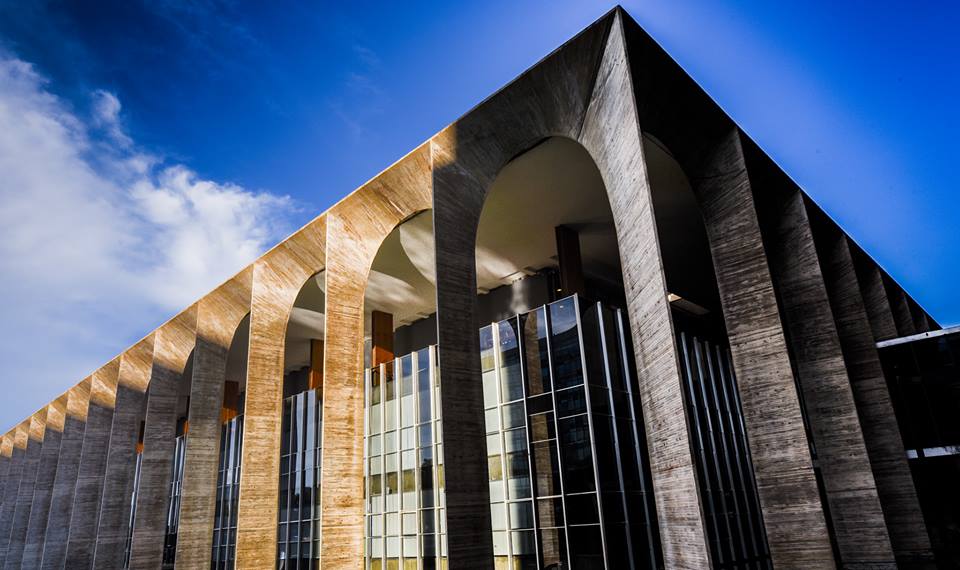
São Paulo – Brazil’s Fundação Alexandre de Gusmão (Funag) and the Secretariat for Diplomatic Planning of the Brazilian Ministry of Foreign Affairs released a book this week, featuring the views of diplomats from 19 countries and economic blocs, Egypt included, regarding the contemporary international agenda. Pictured above is the Ministry’s headquarters.
The Road Ahead. The 21ª Century World Order in the Eyes of Policy Planners includes essays by diplomatic planning directors from the European Union, Germany, Argentina, Brazil, Chile, China, Egypt, Spain, United States, France, Indonesia, Italy, Japan, Mexico, Portugal, United Kingdom, Russia, Singapore and Turkey.
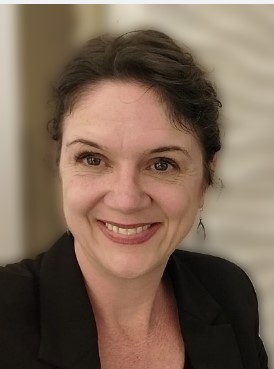
Egypt’s joint minister of Foreign Affairs for Policy Planning and Research, Amal Mourad, wrote The Modern Sovereign State and the Future of the International Order in the 21st Century. She has been a diplomat in the Arab country since 1984.
One of the book’s organizers, first-secretary Filipe Nasser – a career diplomat with the Brazilian Foreign Ministry – said the book is a small sample of thoughts on the international scenario present and future, and what each country wants from it.
As per material released by Brazil’s Foreign Ministry, growing uncertainty around the world means specialists, the government and society at large must engage in in-depth discussions on the risks posed and opportunities offered by a world undergoing major changes. According to the Ministry, in light of this complex historical juncture, the book deals with topics from the contemporary agenda with an eye on the future.
According to the Brazilian Foreign Ministry the job of diplomatic planners is to analyze regional and global trends in connection with their countries’ priorities and to make recommendations to local decisionmakers on foreign policy strategies. Nasser argues that diplomatic planners work at the intersection of the world of ideas and politics, since they apply their thoughts on what’s happening around the world to the realities of their countries.
Nasser said that a publication compiling the views of those professionals is unprecedented. In their research, the book’s organizers found just one similar initiative, from over 40 years ago, and involving professionals from only four or five traditional powerhouse countries.
Nasser explains that the diplomats invited to contribute hail from countries with long-standing traditions in diplomatic planning which are partners of Brazil, as well as being geographically and culturally relevant.
The chapter by Mourad covers the present and future of the modern sovereign State. She mentions theses that the crisis the State finds itself in stems from huge shifts over the last few decades, and is responsible for much of the uncertainty regarding the international scenario.
In the chapter’s conclusion, the diplomat argues that the future of the international order in the 21st century will partly depend on how the State will respond to its structural crisis, and on how much space the international system will grant the state so it can adapt and renew itself.
The book is intended as a source of information for diplomats, scholars, students, intellectuals, opinionmakers and laypersons interested in the subject. It was launched online and is available for free download. ePub and paper versions will be out soon – the latter will be available from the Funag website and the store in annex 2 of the Brazilian Foreign Ministry headquarters in Brasília.
Besides Nasser, the work was organized by the Brazilian Foreign Ministry’s secretary of diplomatic planning Benoni Belli. The book features an introduction by Brazil’s foreign minister Aloysio Nunes Ferreira and a preface by Funag chairman Sérgio Moreira Lima.
A Foreign Ministry-affiliated entity, Funag works on cultural and learning activities in connection with Brazil’s international relations and diplomatic history. It also works to publicize Brazilian foreign policy and to help spread awareness in Brazil regarding international relations and its issues.
Translated by Gabriel Pomerancblum
