



São Paulo – The United States decided, this Friday (13), to partially lift the trade embargo placed on Sudan in 1997 by then president Bill Clinton. This means that the Arab country in North Africa will have unlocked its trade and investments operations with North American banks and companies. The decision will go into effect in 180 days.
At the time in which it placed the sanctions, the Clinton administration considered that the Sudanese government wasn’t taking the necessary measures to fight terrorism and promote human rights in its territory.
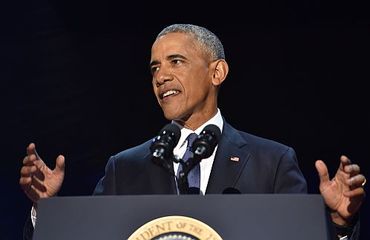
In the executive order determining the end of the embargo on Sudan, President Barack Obama says that the measure was taken due to the fact that the Sudanese government took positive actions and policies in the last six months.
“These actions include a marked reduction in offensive military activity, culminating in a pledge to maintain a cessation of hostilities in conflict areas in Sudan, and steps toward the improvement of humanitarian access throughout Sudan, as well as cooperation with the United States on addressing regional conflicts and the threat of terrorism,” said Obama in the executive order made public by the White House.
This Friday, Khalid Mustafa, counsellor of Sudan’s embassy in Brasília, visited the Arab Brazilian Chamber of Commerce, in São Paulo, and spoke on the issue. “This is very helpful in improving the Sudan’s relations with the United States, and, if it improves Sudan’s relations with the United States, it improves also the relations of Sudan with other countries,” he said in an interview to ANBA. Earlier, Mustafa discussed the matter with Michel Alaby, CEO of the Arab Chamber.
The North American embargo was a barrier to businesses between the African country and Brazil since many local banks didn’t accept the letters of credit issued by Sudanese organizations to provide guarantees to the deals done with the Arab nation due to the embargo. To Mustafa, it’s important that Brazilian businesses are aware of the lifting of the embargo, which should facilitate exports and investments by Brazil in Sudan.
“The embassy will work towards this and the Arab Chamber will help us greatly to make the companies aware of this. The embassy also will notify the Ministry of Foreign Affairs [of Brazil],” said the counsellor.
Investments
Mustafa came to São Paulo to stress the interests of his country in attracting Brazilian investments to the agricultural sector. “Brazil is a developed country in the fields of agriculture and livestock. I came to talk about investments by Brazilian entrepreneurs in Sudan. Sudan has land, water, inputs, workforce and a climate similar to Brazil to work with. Sudan offers everything that the Brazilian entrepreneurs need to invest there. Sudan also is close to the Middle East countries and this helps investors to sell their products there,” he pointed out.
The diplomat also said that the embassy offers the support needed to Brazilian business owners interested in doing business in the Arab country. “The embassy wishes to facilitate in everything that is necessary for those that want to invest in Sudan. The government will facilitate for them [investors] to go there, documentation and what else they need,” he said.
To Alaby, Brazilian should look at Sudan as a gateway to other Arab and African markets. “Sudan is important as a strategic partner for Brazil, because Brazil has agricultural and livestock technologies and can sign joint ventures or partnerships seeking a third market,” he said.
*Translated by Sérgio Kakitani

