



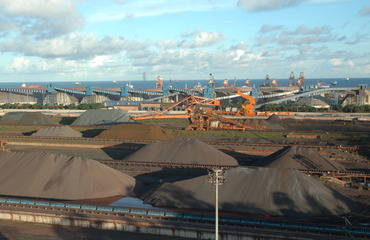
São Paulo – Exports from Brazil to the Arab countries were down 6.2% year-on-year in November according to data from the Brazilian Ministry of Development, Industry and Foreign Trade compiled by the Arab Brazilian Chamber of Commerce. Revenues stood at US$ 1.16 billion last month, as against US$ 1.24 billion in November 2013. Export volume was also down, by 9.06%, from 3.5 million tonnes to 3,19 million tonnes.
Year-to-date through November, revenues from exports to Arab countries were down 13% to US$ 11.05 billion, from US$ 12.7 billion in the comparable year-ago period. Export volume was down 5% from 35 million tonnes to 33,300 million tonnes.
According to Arab Chamber CEO Michel Alaby, low prices of commodities such as ore and sugar have weighed down on sales. This shows in the fact that throughout the year, export volumes declined by a higher rate than revenues.
“Perhaps some of the countries are easing off the gas due to oil prices,” says Alaby, referring to the international petroleum price slump. The economies of Arab countries, especially Gulf ones such as Saudi Arabia and Qatar, are heavily reliant on oil and gas exploration.
In November, export revenues dropped the most for industrial goods and mineral and vegetable products. The leading importing country was the United Arab Emirates, followed by Saudi Arabia, Egypt, Morocco and Algeria. Of these five countries, only the UAE and Morocco have stepped up their imports.
Year-to-date, exports declined the most for animals and animal-based products, processed foods, and mineral and vegetable products. The leading buyers were Oman, Egypt, the UAE, Saudi Arabia and Bahrain. Of these five, Bahrain was the only one whose imports increased.
Conversely, Brazil’s imports from Arab countries were up 0.24% year-to-date through November, to US$ 10.5 billion. In November alone, imports were up 19.4% to US$ 1.1 billion. Brazil imports mostly oil, oil products and fertilizers from Arab countries.
*Translated by Gabriel Pomerancblum
