



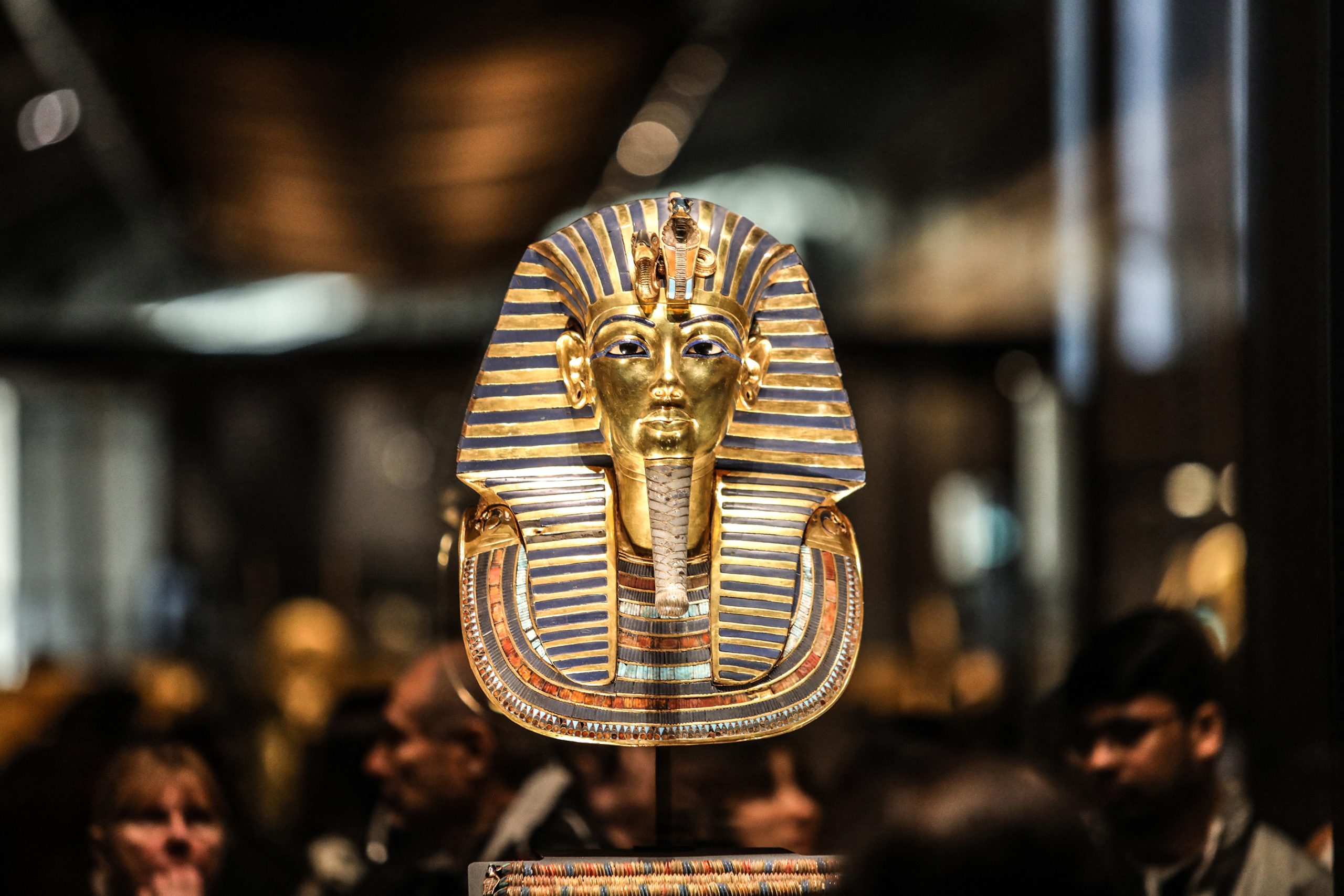
São Paulo – Partially operational for a few years, but officially opened in November 2025, the Grand Egyptian Museum (GEM) showcases to its visitors giant statues, artifacts that tell the story of the civilization, and archaeological finds that span seven millennia of history. One of the largest archaeological museums in the world, the GEM itself is also a work of art and history.
The building’s exterior design resembles a ship, and its structures reference pyramids. After all, the GEM is located about a kilometer from the Great Pyramid of Khufu.
Its collection includes, among other things, an 11-meter-tall statue of Pharaoh Ramesses II, the third pharaoh of the 19th dynasty, who died in 1213 B.C. Also on display is the collection from Pharaoh Tutankhamun’s tomb (1341 B.C. – 1323 B.C.). That’s about 500,000 square meters of history and culture, expected to welcome eight million visitors each year.
Telling history through stories is one of the highlights of this museum. That’s why, since the end of 2025, it has been dedicated to restoring live before visitors’ eyes a 4,600-year-old find: a solar boat of King Khufu. Measuring about 42 meters, it will be restored over the next four years. It is not the only one on display. The museum also houses another solar boat of the same king, but with different design and construction methods, showcasing the variations in production techniques and materials used in the pharaonic civilization.
Read more:
Ana Ferrari debuts installation in Egypt
Translated by Guilherme Miranda

