


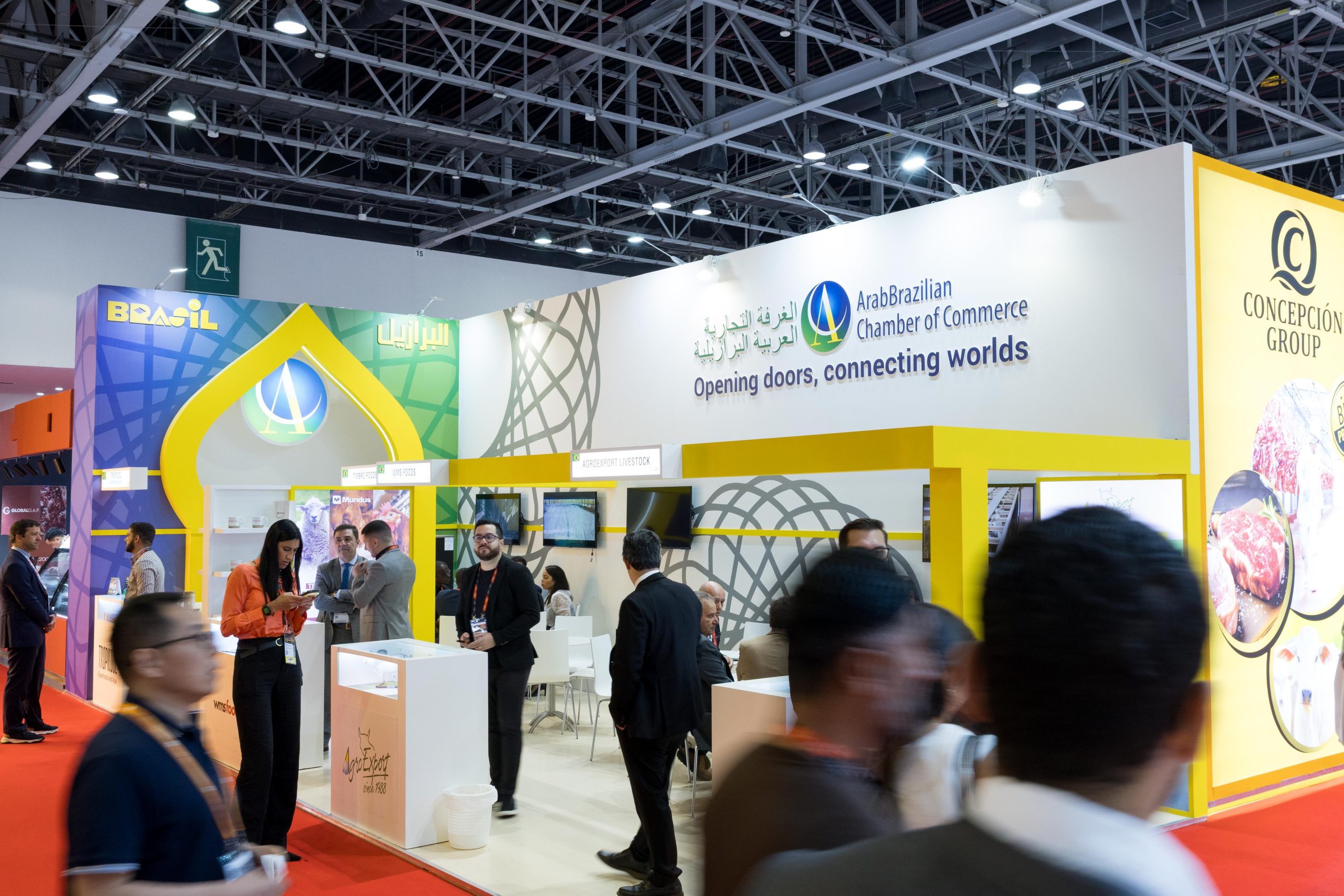
São Paulo – The Gulfood food and beverage fair concluded Friday (30) with its largest edition yet. Held in Dubai, United Arab Emirates, it was split into two exhibition centers for the first time, segmenting exhibitors and visitors. According to Mohamad Orra Mourad, Vice President of International Relations & Secretary-General of the Arab-Brazilian Chamber of Commerce (ABCC), this edition increased the productivity and effectiveness of visits and meetings. The ABCC participated with 15 companies across its two booths.
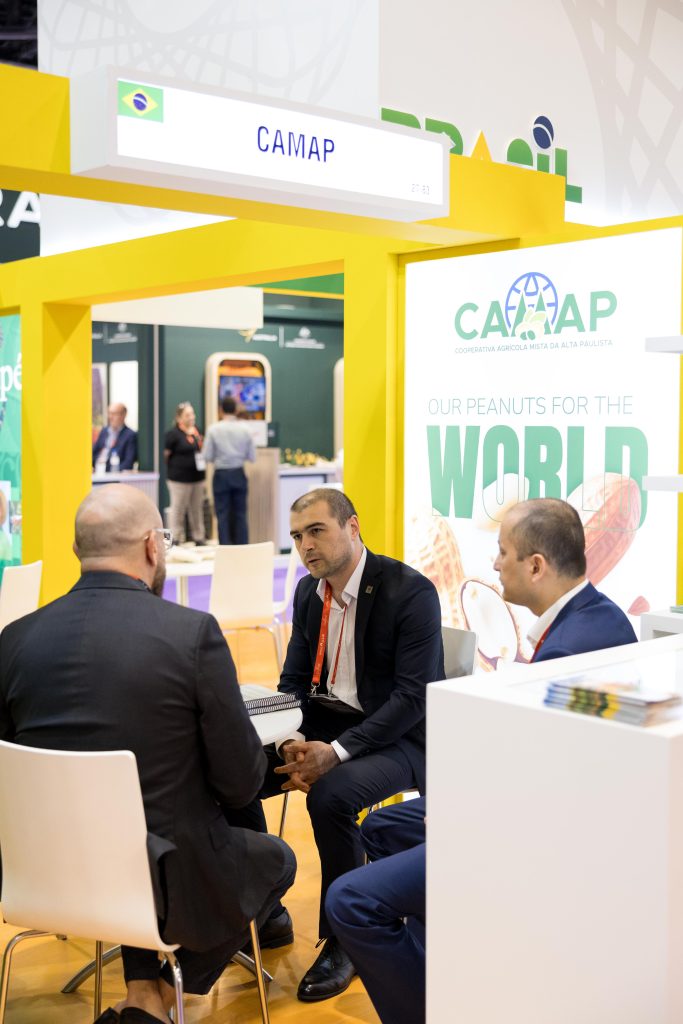
One of the companies, peanut producer Cooperativa Agrícola Mista da Alta Paulista (CAMAP), participated in the event for the fourth time. The company’s director, Evandro Jurevits, told ANBA that deals were closed at the fair and contacts were made for additional sales.
“Gulfood always generates great expectations, being the leading food fair today, and this year was no different. This is CAMAP’s fourth participation at Gulfood, in partnership with the ABCC, and our expectations were met—especially with strong sales concluded and the forecast of excellent business throughout the year, thanks to our participation and meetings with clients, including gaining new customers and entering new markets,” Jurevits said.
Gulfood has become one of the world’s largest food fairs, alongside SIAL in Paris and Anuga in Cologne, Germany. Due to its growth, this year it was split into two pavilions: at its original venue, the Dubai WTC, were exhibitors of meats, beverages, dairy, and oils; the Dubai Exhibition Centre hosted grain, organic food, and food service companies. The ABCC had a booth at each venue.
Gulfood with two venues attracted a more targeted audience
“From the start, we knew this would be a new Gulfood and worked hard to deliver the best for our exhibitors. This edition was positive for two reasons: first, splitting into two venues improved the flow of people arriving at the exhibition halls. Second, it reduced crowding in the aisles and better targeted visitors for each segment of the fair. We noticed that attendees sought out exactly the exhibitors they wanted to meet,” Mourad said. “Some companies were participating for the first time, others had attended before, and some take part in other fairs with the ABCC, which demonstrates the institution’s credibility. There’s room to grow,” he added.
Jurevits said the fair was more organized. “The audience was much more selective this year, which brought greater focus to the event,” he said.
WMS Foods and Mundus CEO Fernando Nascimento attended the fair with two goals. One was to showcase the company’s portfolio of meats, focusing on beef, offal, and supply solutions. The other was to promote Mundus, a digital trading platform that connects buyers and sellers directly.
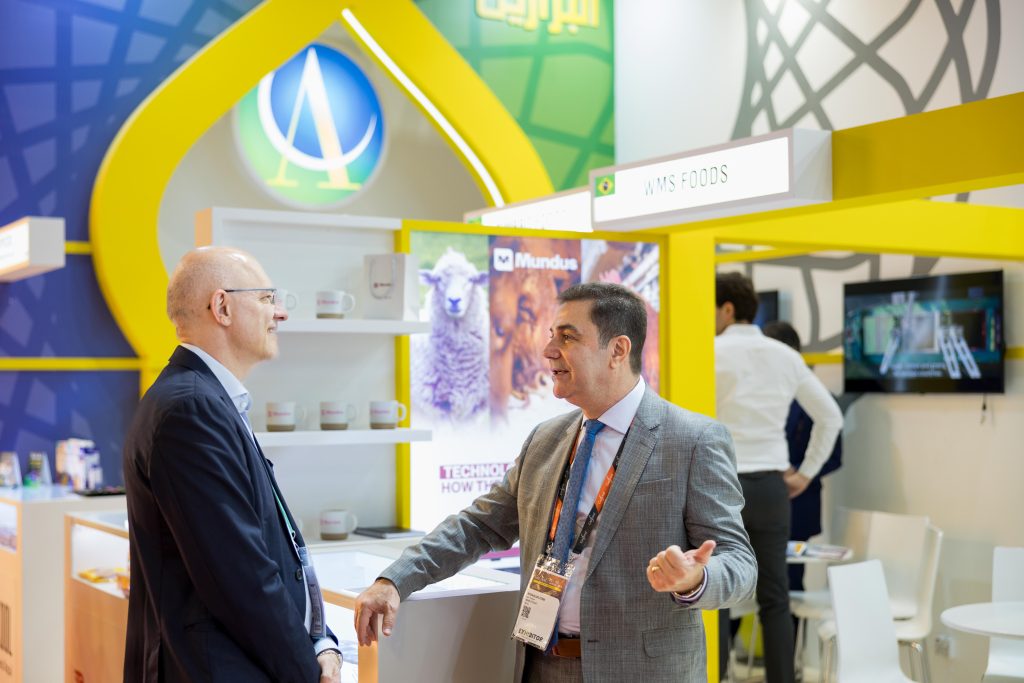
“WMS Foods’ participation in Gulfood was extremely positive. The fair confirmed the strong moment for international meat trade and highlighted the Middle East as a strategic hub for global connections. We had an intense schedule of meetings with clients, partners, and new contacts, and validated key market trends with the launch of MUNDUS, a Meat Marketplace platform, reflecting the growing demand for transparency, operational efficiency, and digital solutions in the international food trade,” he said.
Brazil’s participation at the fair was divided across several fronts. Major food manufacturers had their own booths, industry associations were represented, and the Brazilian Trade and Investment Promotion Agency (ApexBrasil) brought additional companies to the event.
Read more:
Arab-Brazilian Chamber takes 15 firms to Gulfood
Translated by Guilherme Miranda
