



São Paulo – Despite seeing growth in the first quarter of this year, exports from Brazil to the Arab countries in the Gulf were down 31.47% year-on-year in March, to USD 537.11 million. The numbers have been compiled by the Arab-Brazilian Chamber of Commerce Market Intelligence department and were made public this Monday (13).
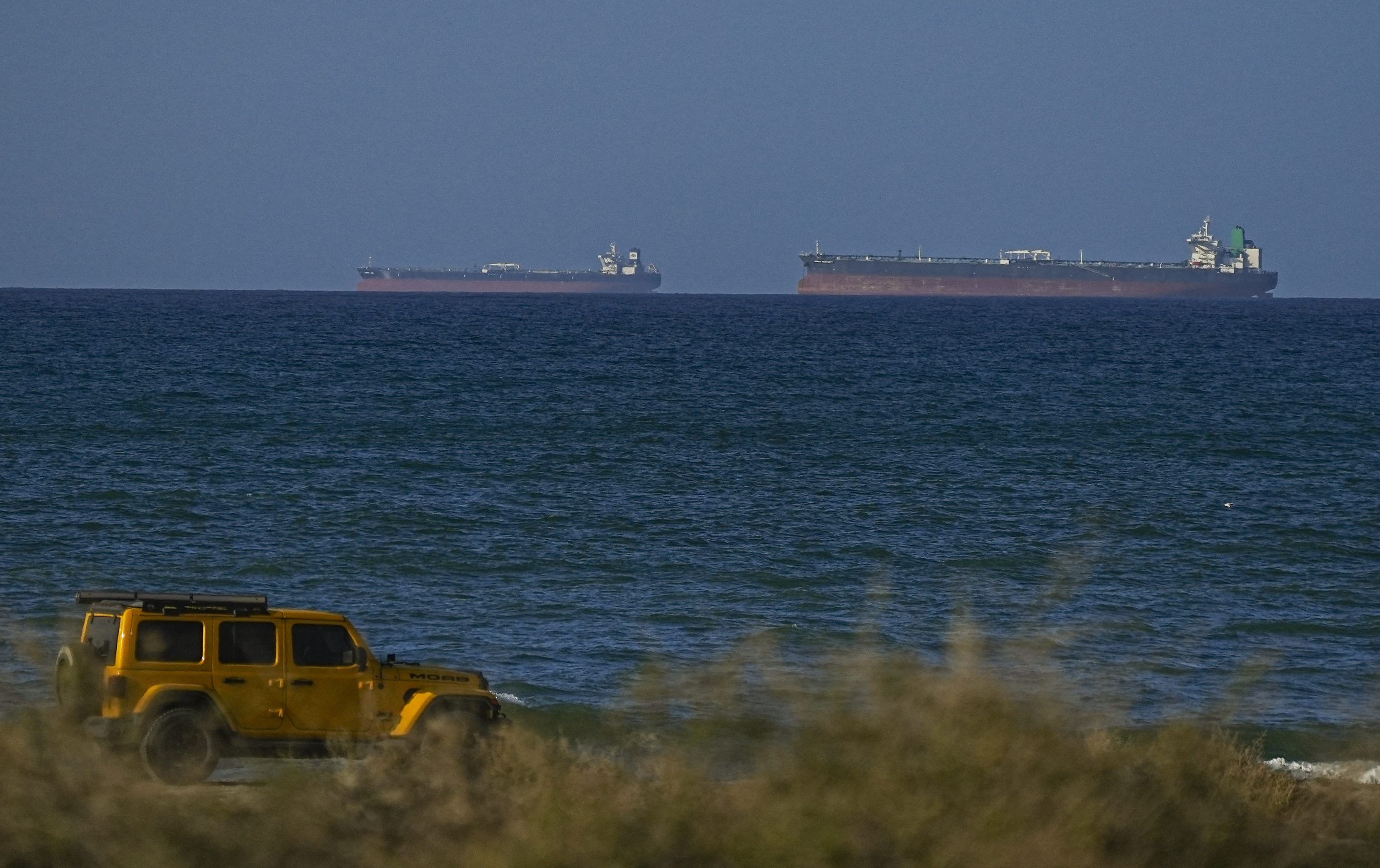
The analysis includes the markets of Saudi Arabia, United Arab Emirates, Qatar, Kuwait, Bahrain, and Oman, which comprise the Gulf Cooperation Council (GCC). These nations are being targeted by Iran amid fighting with Israel and the United States, and they have ports on the Gulf Sea, where the Strait of Hormuz is located. The Strait was almost entirely shut down at one point and remains the primary bone of contention. The Gulf Sea is the only maritime outlet for some GCC member countries, such as Kuwait, Qatar, and Bahrain.
“Sales to the GCC, which is home to the biggest Arab markets and accounts for 47% of exports from Brazil to that bloc, had been going strong in January and February compared with 2025, the second-best year on record,” a press release quoted Arab Chamber International Relations vice president and secretary-general Mohamad Orra Mourad as saying. According to him, the decline in March is a result of the conflict and has yet to impact year-to-date numbers, although that may eventually be the case.
Agribusiness is the worst-hit exporting sector in Brazil. It makes up 75% of exports to that region, which were down 25.38% year-on-year in March. Exports declined by 13.8% for poultry, 43.37% sugar, and 99.96% for corn. Beef exports increased by 23.87% and coffee exports climbed 34.24% year-on-year in March.
Despite the March results, January and February results drove an 8.14% increase in exports to Arab countries in the Gulf during Q1. Total sales to the GCC grossed USD 2.41 billion. Year-to-date, exports have increased for sugar, beef, and coffee, but slowed for corn and poultry, as was the case in March, albeit by a much lesser rate.
In the press release, Arab Chamber secretary-general Mourad highlights the impact of the fighting on fertilizer sales from the Gulf to Brazil, which were down 51.35% year-on-year in Q1. “This is cause for concern for our agribusiness as well as for Arab countries, which depend on Brazil’s ability to supply its surplus food,” said Mourad. “Ways must be found to minimize these impacts,” he says.
Read more:
IMF: conflict expected to impact economic growth
Translated by Gabriel Pomerancblum

