



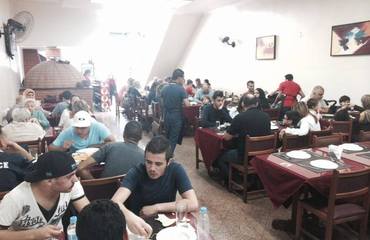
São Paulo – Demand from the Muslim community is driving an increase in the number of outlets serving and selling halal foodstuffs in Brazil. At the Islamic Center in Brazil, which certifies that products were made in accordance with the rules of Islam, there are some 20 restaurants and butcher shops accredited to offer halal food and meats to consumers in Brazil. They are primarily located in São Paulo and Foz do Iguaçu, a city in the state of Paraná where many followers of the religion live.
The secretary of the Islamic Center in Brazil, Nasser Khazraji, claims 30 years ago there was only one halal butcher shop in the country, more specifically in São Paulo. The numbers grew mostly between ten and five years ago, according to him. Five years ago, there were roughly ten halal-certified outlets, Khazraji said. He believes the Muslim community has grown more demanding, and that halal culture has become more widespread in the country. There are between 1 million and 1.5 million Muslims in Brazil, as per data from the Islamic Center in Brazil.
Some businesses have an eye out for halal from the get-go. A case in point is the Altanur restaurant, in business since May 2013 in São Paulo’s Brás district. Owned by the Lebanese family Trad, and led by chef Haidar Trad, the place was inaugurated to cater to the needs of the Muslim community. The owners realized there was a dearth of quality halal restaurants in São Paulo. Through word-of-mouth, however, the place now has non-Muslim Brazilian patrons aplenty, according to information from the restaurant itself.
Some of the diners and meat shops certified by the Islamic Center in Brazil also get their halal poultry and beef from the organization. The Center works in partnership with meat companies and sends its team to sit in on the slaughtering. Other outlets go about the halal slaughter themselves, under training and supervision from the Islamic Center.
Most of the places working with halal sell this type of meat exclusively, do not mix it with other products, and do not sell pig meat. Those selling or serving both halal and non-halal food are trained by the Islamic Center in Brazil to store the products neatly separated. Butchers are required to own separate freezers and cold storage chambers for halal and non-halal, knives used exclusively for halal meats and other requirements.
Restaurants must meet several specifications before earning their certification, such as not selling alcohol or using wine or alcohol of any sort as an ingredient for its recipes. The aromas that go into sweets can be made using alcohol. Colorants, for example, are allowed to contain blood from non-halal slaughtered animals.
The slaughter needs to follow several guidelines as well, the most important ones being the slaughter must be performed by a Muslim, he must invoke the name of Allah and be aware that the animal is being killed strictly to provide food, and the animal must be facing Mecca, the holy city of Islam.
On the Islamic Center in Brazil’s website there is a list of halal-certified butchers and restaurants in the country (link available below). Most outlets are in São Paulo and Foz do Iguaçu, but there are ones in Brasília and Curitiba as well. The center also accredits Brazilian exporting companies to sell halal items to countries with Muslim communities.
Islamic Center in Brazil
Halal certified butcher shops and restaurants:
http://alimentoshalal.com.br/pt-br/estabelecimentos-halal
*Translated by Gabriel Pomerancblum
