



São Paulo — The growth of Saudi Arabia’s economy this year is being driven by the non-oil sector, according to a report on the country’s economic performance released Thursday (26) by the International Monetary Fund (IMF). Although it is still dependent on oil revenues and production—currently at 9 million barrels per day, the lowest level since 2011—the Gulf country is seeing results from its economic diversification initiative.
The fund said this year the non-oil sector is expected to grow by 3.4%, about 0.8 percentage points less than in 2024, driven by government projects, especially those under the Vision 2030 economic diversification plan. The overall economy is projected to grow by 3.5% this year compared to 2024, 3.9% in 2026, and maintain a steady growth rate of 3.3% in the medium term.
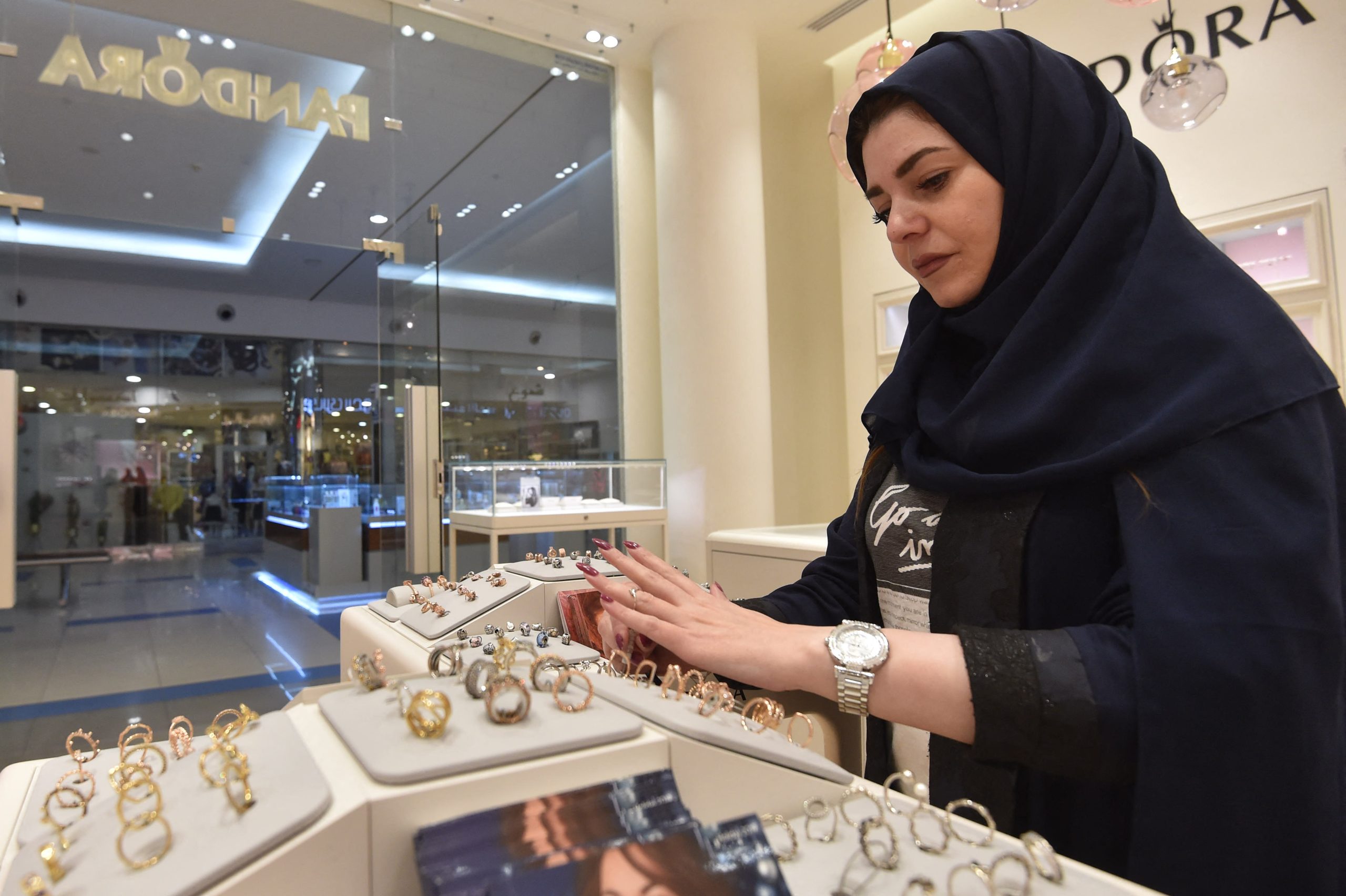
Some of the sectors leading the expansion of the non-oil sector are retail, hospitality, and construction, as well as domestic consumption. These sectors helped the country offset a 4.4% decline in oil GDP in 2024.
The IMF also noted that the unemployment rate ended last year at a historic low of 7%, reflecting a “broad-based” improvement. This progress is seen in reduced unemployment among youth and women and a 12% increase in private sector job creation, while public sector hiring is slowing down.
In assessing the Arab country’s finances, the IMF also indicated an increase in the fiscal deficit to the equivalent of 2.5% of GDP and noted that Saudi Arabia is one of the least indebted countries in the world: net debt stands at 17% of GDP. The banking sector, the fund reported, is well capitalized and resilient, but financing costs are rising.
Read more:
Brazil’s mission to Saudi Arabia spurs business
Translated by Guilherme Miranda

