


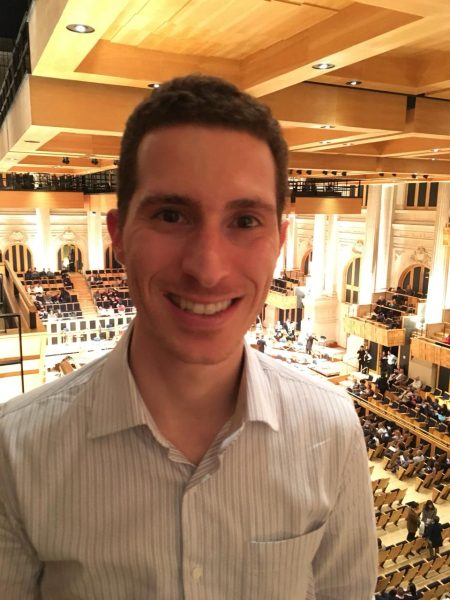
Campinas – Brazilian companies wishing to make a profit in the Arab world need to adapt their products and communication to the market, and observe negotiation methods. These were some of the conclusions presented by the Arab Brazilian Chamber of Commerce Marketing vice president, Rubens Hannun, in the talk “The presence of Brazilian marketing in the Arab market,” given this Friday (28th) in Campinas during event “O Brasil árabe” (The Arab Brazil), organized by Sesc in partnership with the Jerusalem Institute in Brazil.
According to Hannun, the 22 countries in the Middle East and North Africa which comprise the Arab community harbour great business opportunities for companies. However, they also pose challenges. The region’s attractions include a burgeoning consumer market and a vast population of youths who do not mind buying products from foreign brands, so long as they respect their values. The distance between Brazil and the Arab countries, the different time zone, laws, cultures, and even week days must be considered in a business plan for the region.
None of that, however, prevents success in the region from being achieved. According to Hannun, there are multinational companies which have invested in the Arab market many years ago and are now reaping the good results of that venture. Such is the case of fast food chains such as the United States’ Subway and McDonald’s.
“The McArabia [sandwich] is made using local ingredients such as Arab bread, and is very well-accepted in countries such as Morocco and Saudi Arabia,” he said. Luxury item store Louis Vuitton, Apple and Coca-Cola are other examples of companies which adapted their communication and products to conquer the Arab clientele. Brazil also boasts a success case of its own in the region. “Sadia went out into the Arab market at a time when it was having problems domestically. When things improved in Brazil, the company did not give up on the Arabs, and its presence in the region has been growing,” said the Arab Brazilian Chamber vice president.
Another “tip” for success, said Hannun, is to bet on young people and the seasonal character of the Arab market. During the Ramadan, i.e. the Holy Month to Muslims, many companies devise specific marketing actions. At the time, says Hannun, companies invest up to 20% more in advertising. “If a company desires to invest in an Arab country, it must conduct a study and be careful, otherwise it is in danger of losing money,” he claimed.
Diplomacy
Also this Friday, the director of the Middle East department at the Brazilian Foreign Ministry, Carlos Martins Ceglia, gave the talk “Brazilian diplomacy in the building of peace in the Middle East.” He stated that Brazil plays a key role in the region, and championed the country’s involvement in conflict mediation. “The Federal Constitution of Brazil provides for non-aggression coupled with diplomatic intervention,” he said.
The diplomat said taking part in the event was an important opportunity to show people where Brazilian diplomacy stands with regard to different issues. Ceglia told ANBA that seminars such as this are a chance to show the people how rich Arab culture is.
Still this Friday, the Syrian consul to São Paulo, Ghassan Obeid, gave a talk on the political situation in Syria. The event also featured a talk from the cultural director of the Federation of Muslim Associations in Brazil (Fambras), Ali Hussein El Zoghbi, and another from the charge d’affair at the Palestinian embassy to Brazil, Salah Elqatta.
Event “The Arab Brazil” also includes workshops, Arab music concerts, and an exhibit of Arab decoration items and typical attire. Attendance is free of charge and the event will continue until next Sunday (30th).
Service
The Arab Brazil
Sesc Campinas – Rua Dom Jose I, 270/333, Bonfim
Telephone: +55 19 3737-1500
For the full programme go to: http://www.sescsp.org.br/sesc/programa_new/busca.cfm?conjunto_id=10202
*Translated by Gabriel Pomerancblum
