



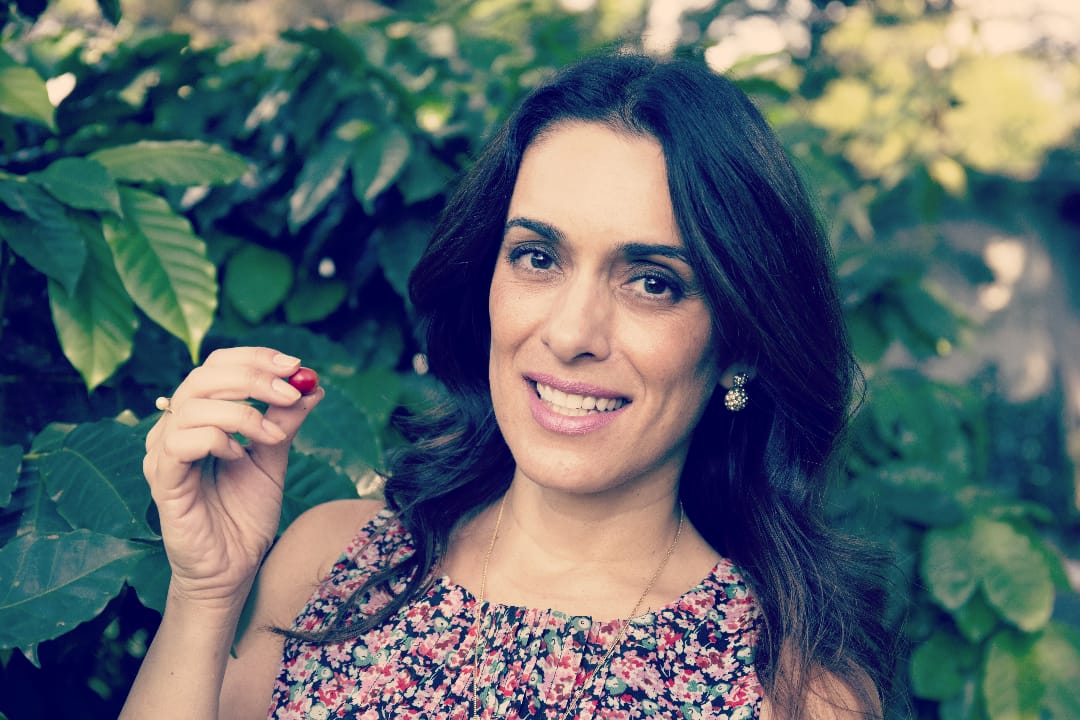
São Paulo – Maria Carolina Freire turned a coffee bean into a venture. Born in Jacutinga, Brazil’s state of Minas Gerais, she had already worked as a fashion producer in her hometown—a well-known hub for knitwear and sweaters—and as an architect in São Paulo, her trained profession, when, nearing 40, she realized she needed a new professional direction.
Daughter of a prominent coffee grower from Jacutinga, Freire—who until then barely knew how to handle coffee beans—talked to her father, who told her, “The only thing I can give you is coffee. Do you want it?” “I do!” she replied. “I’ll turn this into a business!” Prophecy made, business realized. She took the beans, roasted them, created modern packaging (her background in fashion and architecture helped), gave her product a grandiose name, and knocked on many doors to offer what she had. Café da Condessa was born on February 12, 2012—“my company is Aquarian,” the entrepreneur jokes.
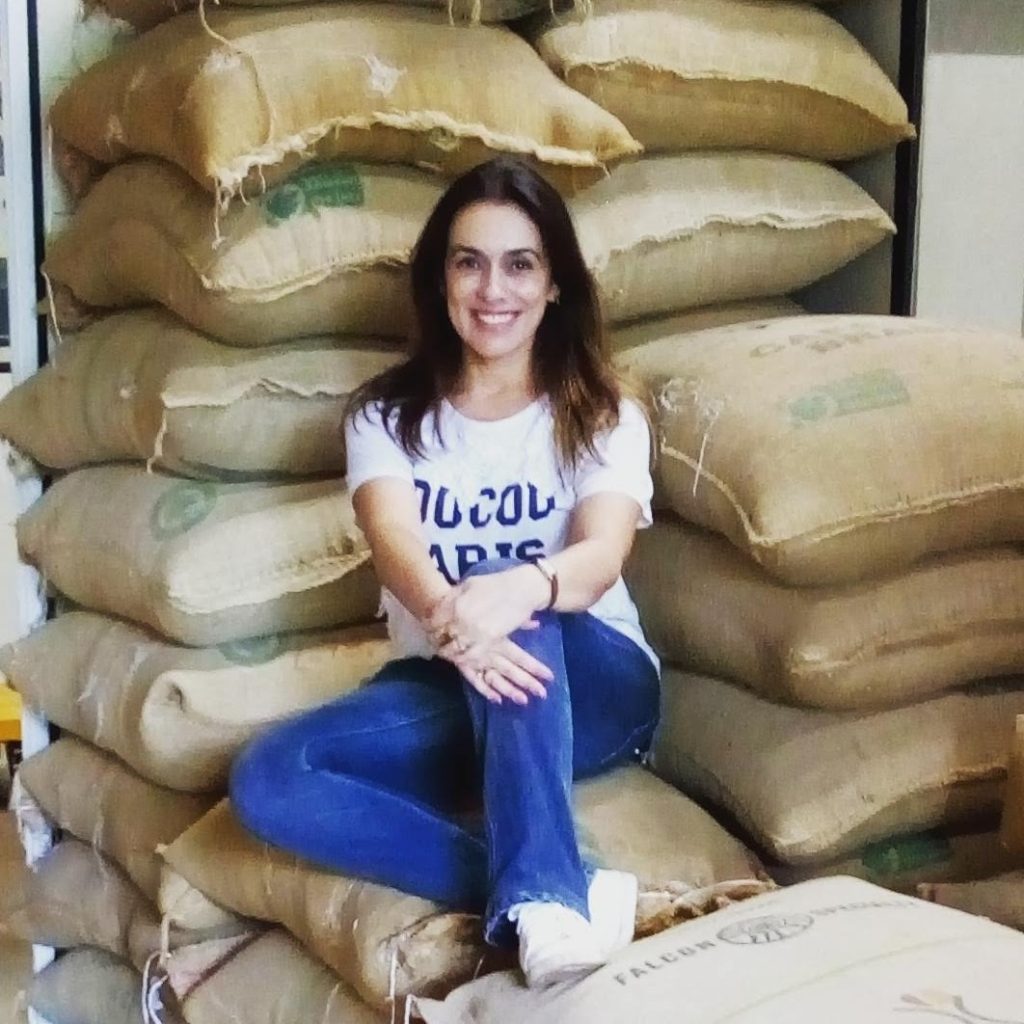
Like any new business, hers wasn’t easy either. “At first, people on the farm laughed at me because I knew nothing about coffee. Then I closed a big deal with Carrefour, and they kept laughing—this time out of nervousness,” Freire recalls, laughing. In the beginning, production was just one sack of coffee—with the first big contract, it jumped to a metric ton. From there, her brand reached across Brazil and the world, exporting to countries like Canada, Chile, and even Saudi Arabia.
“I even gave a radio interview back then, and they asked me: how did you manage to close a deal with a Saudi being a woman? And I answered: they’re great at negotiating. The bad ones are the Brazilians!” she says, always laughing, but without missing the chance to criticize the business environment in Brazil, especially regarding taxes and export challenges.
The truth is, she started the business already thinking about selling abroad. She couldn’t accept, when traveling, seeing Colombian coffees and their marketing conquer more ground while Brazil kept—and still keeps—exporting only raw beans, like her father still does. He, by the way, is the eighth generation of the family in Jacutinga. Freire’s great-grandfather, Eduardo Roberto de Lima, was a well-known coffee grower in the early 20th century. “When the NY stock market crashed in 1929, he went around the country buying bankrupt coffee farms. He ended up producing in three states,” she says.
Everyone has specialty coffee, but I have the story
Maria Carolina Freire
What she did differently from the rest of the family was focus on the end consumer. “Everyone has specialty coffee, but I have the story. I realized I’m good at adding value. My family has been in this business since the farm was bought in 1832, but no one had done this until now,” says Freire, noting that she faced resistance from relatives, including her own father. “As the saying goes, things don’t make us, we make the things.” And speaking of history, the “Countess” in the name was her great-great-grandmother Genoveva, wife of the Count of Vale do Sapucaí.
During the 2010s, Café da Condessa grew, and Freire became an example of female entrepreneurship, even writing a column on the topic for a women-focused magazine. “It was the right time for a woman to start a business; there was a lot of talk about female entrepreneurs—I rode that wave.” Everything was going well until the pandemic hit.
Condessa in the post-pandemic world
The coronavirus pandemic nearly broke the business built with so much passion and enthusiasm. Contracts ended, exports fell, and she saw some of her strong competitors close down. Freire considered shutting down operations many times—after all, for someone producing two tons a month, seeing it drop to 300 kg was tough. “Now I sell 20% of what I used to,” she laments.
Even so, her colorful and “bold” packaging—as a roaster once told her—still appears on shelves in select stores in São Paulo, Minas Gerais, and a few other Brazilian states. Exports have become occasional. “Besides still having loyal customers, Café da Condessa has transformed me, shown me what I’m capable of, and I really enjoy sharing that with other women,” she says, knowing she’s an inspiration for those who want to start a business or follow their dreams.
Not everything was bad during the pandemic. At the end of that long period, Freire was promoting her coffee at Casa Santa Luzia in São Paulo when she met her future husband. They soon started dating and married shortly after. As he is also an entrepreneur, the couple now plan the next steps for Café da Condessa together.
Learn more:
www.instagram.com/cafe_da_condessa
www.cafedacondessa.com.br
Read more:
Coffee market expanding in Middle East
*Report by Débora Rubin, in collaboration with ANBA
Translated by Guilherme Miranda
