



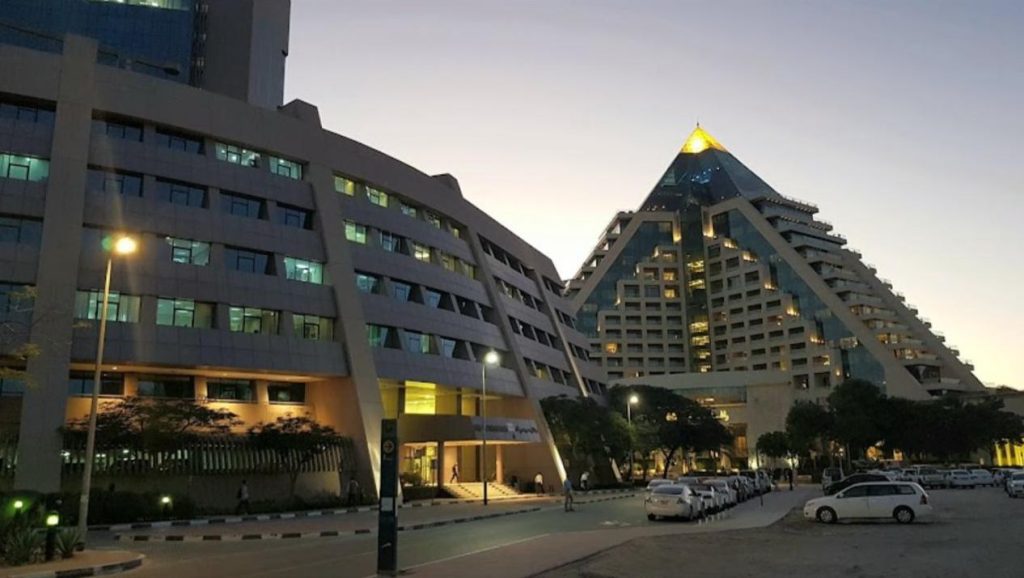
São Paulo – With the Brazilian community living in the United Arab Emirates and neighboring countries in mind, UniCesumar, a higher education group from Brazil’s Paraná state, opened a branch in Dubai in 2019. Within a few months, 200 students had already enrolled. Six years later, more than 1,100 have studied there, and 450 are currently active in undergraduate and postgraduate programs.
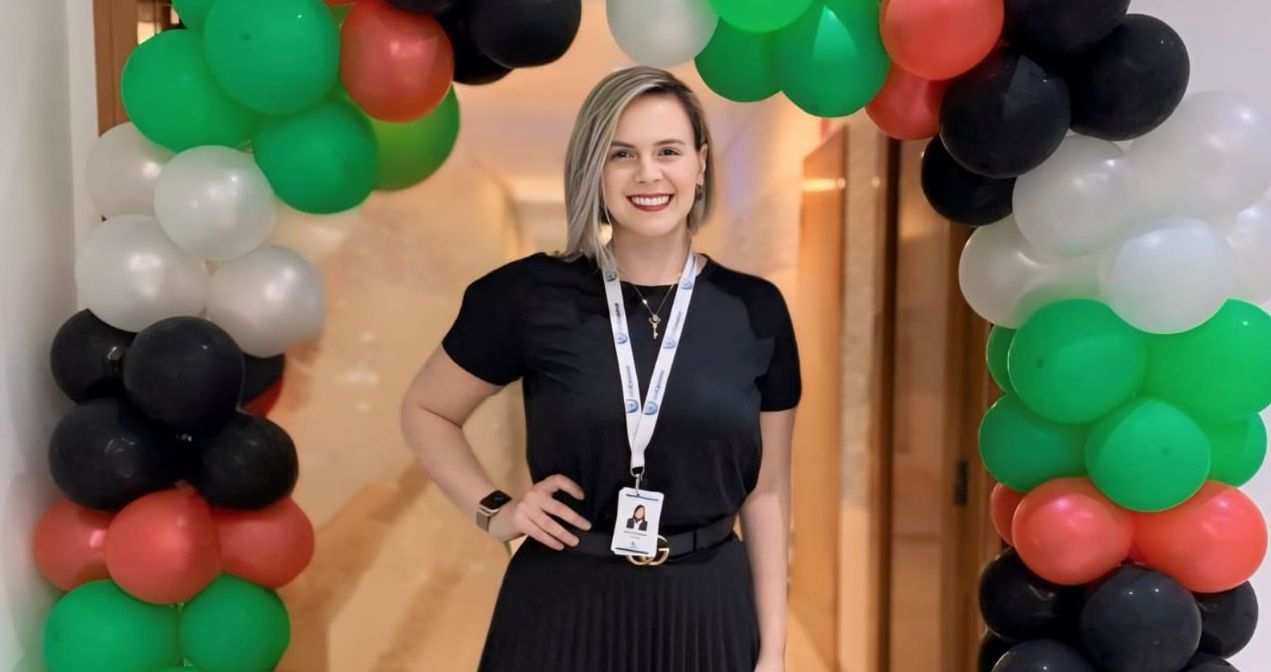
“Since the beginning, in March 2019, we’ve had excellent acceptance within the community living here. After all, we were pioneers in bringing Brazilians the opportunity to fulfill their dream of earning a college degree even while living so far from home,” said Angélica Walker, who heads the branch’s operations, in an interview with ANBA. Walker, who has lived in the UAE since 2017, holds degrees in both Languages and Executive Secretariat and worked as a flight attendant for eight years in Brazil before immigrating.
The pandemic, which began a year after the branch’s opening, could have disrupted its plans. But since it operates as a distance learning unit, the opposite happened—growth actually accelerated. Beyond the advantage of not being in person, which was essential at the time, there was also a widespread fear regarding the future of work.
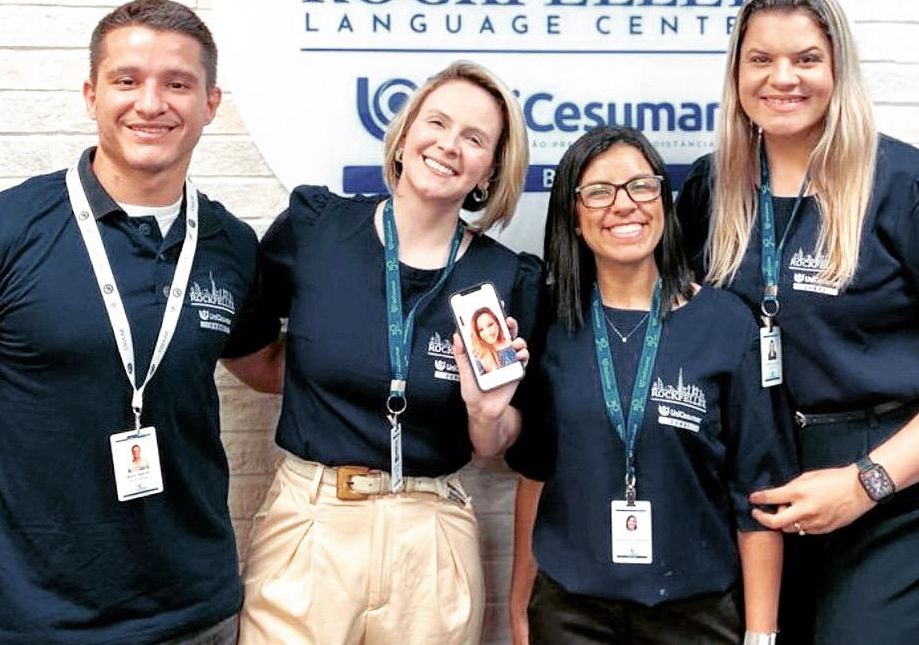
“With the uncertainty about jobs that came with that period, our audience became more concerned about planning for the future, so we saw a massive demand for undergraduate and specialization programs,” Walker noted. “During the pandemic, we reached 400 students and had to hire two new tutors to help with enrollment and support.”
The curriculum now includes more than 50 undergraduate and over 100 postgraduate programs. Technology courses attract the most students due to market demand—programs such as cybersecurity, data analysis, digital media, and artificial intelligence, among others. In postgraduate studies, the most sought-after fields are human resources management and healthcare, while technology courses, including programming languages and information technology, are also highly popular.
The program with the highest number of enrollments, however, is the bachelor’s degree in physical education. The reason is quite interesting: according to Walker, many Brazilians living in the UAE are jiu-jitsu instructors working for the Emirati government. This is because the government has made the martial art a mandatory subject in elementary and high schools, as well as in the armed forces.
“We also serve many family members who accompany these instructors, as well as flight attendants and pilots working for Middle Eastern airlines—who mostly enroll in courses in Business Administration, Human Resources, and Economics—and expatriates from established Brazilian companies in the UAE, such as BR Foods and Tramontina,” adds the coordinator.
The average students there are between 30 and 50 years old, and most live in Dubai and the other emirates. However, there are also students from neighboring countries such as Qatar, Bahrain, Saudi Arabia, and Kuwait, who need to attend the campus monthly to take in-person exams.
As it is a distance learning unit, the entire academic structure is based at the headquarters in Maringá, Brazil. All classes are recorded and made available on the virtual platform, with no in-person lessons, only in-person exams. “Our work in Dubai is to offer the courses, provide support for the virtual environment, handle billing, and guide student services.” There is also remote support from the branch director at UniCesumar headquarters in Maringá, Roberto Valério.

Because of this structure, the local team is quite small, consisting of only five people, including Miguel Romeiro, the branch manager and the one who had the idea of bringing UniCesumar to the Arab country. Born in Maringá and a commercial pilot based in Abu Dhabi, Romeiro is also an entrepreneur with other businesses in both the UAE and Brazil.
In addition to the Dubai branch, UniCesumar has two other international campuses operating under the same model: one in Geneva, Switzerland, and another in Joso, Japan.
Read more:
Chair to take Brazilian scholars to Lebanon
Report by Débora Rubin, in collaboration with ANBA
Translated by Guilherme Miranda
