



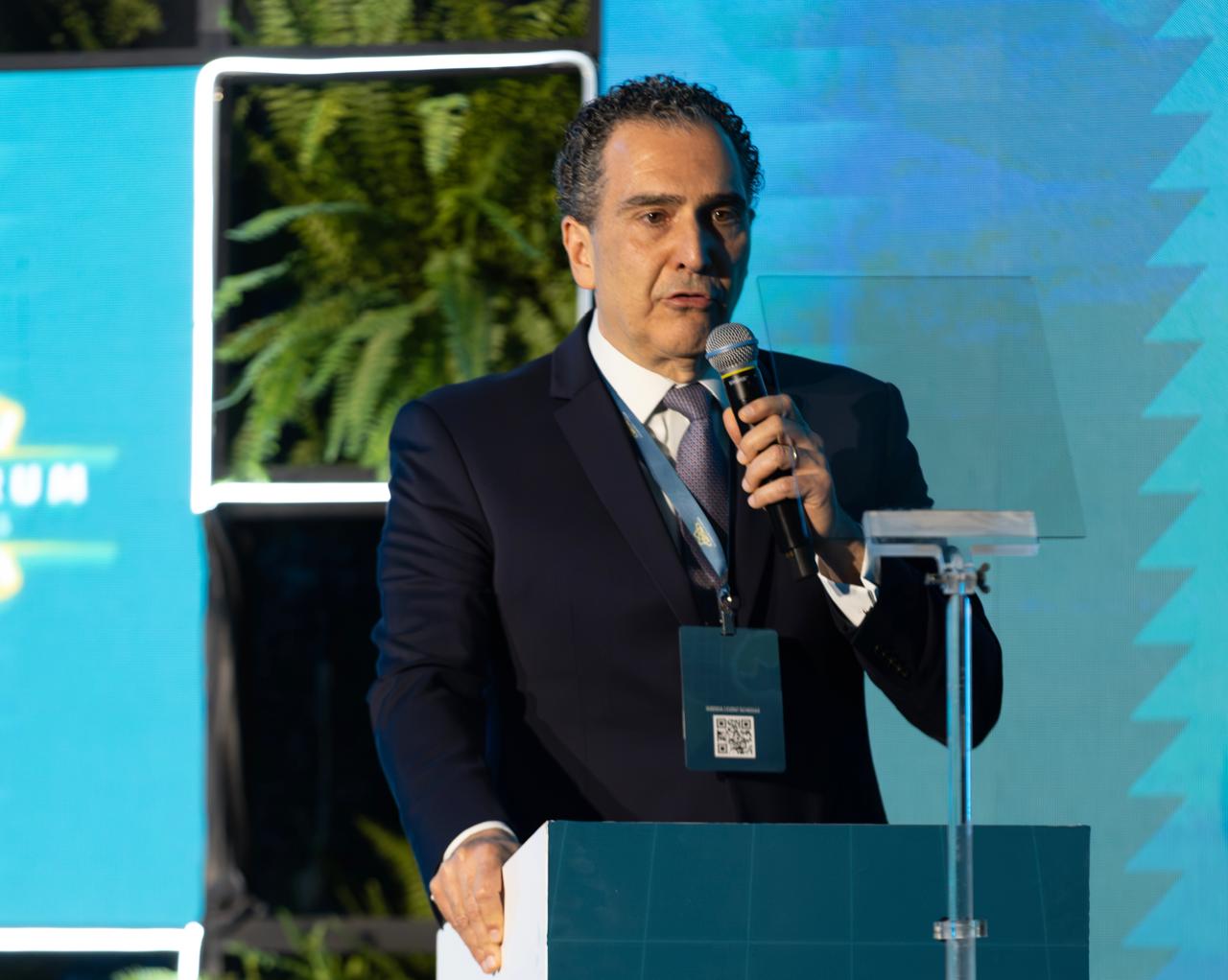
São Paulo – The current international landscape is challenging, with changes affecting supply chains and relations between countries. In this context, Brazil and Arab countries should strengthen their partnerships, according to several officials who spoke at the opening of the Brazil & Arab Countries Economic Forum, held by the Arab-Brazilian Chamber of Commerce (ABCC) on Tuesday (25) at the Renaissance Hotel in São Paulo.
“In the current climate of uncertainty, strengthening the alliance between Brazil and Arab countries, driven by the private sector, takes on even greater importance as a platform for cooperation and development. Our partnership is impressive not only for its potential, but also because it already has a solid foundation,” Brazil’s Foreign Minister Mauro Vieira said in a video message to forum participants from Brazil and Arab countries. The minister is on a diplomatic trip to South Africa.
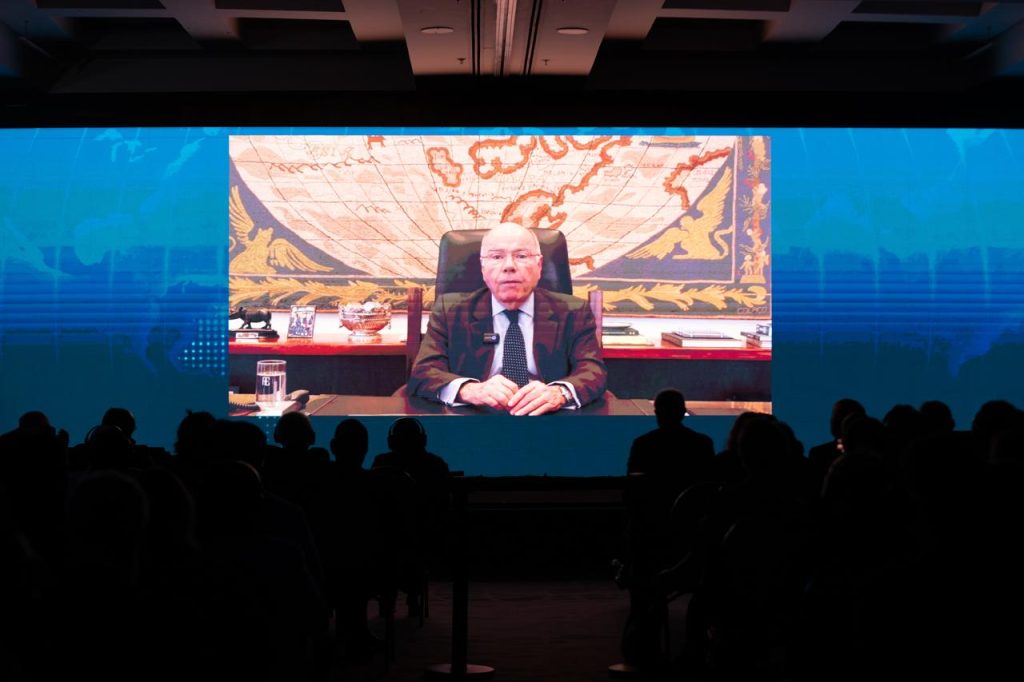
Vieira said the current scenario is creating tensions in diplomacy, disrupting global supply chains, undermining international trade and putting countries’ prosperity at risk.
“At this challenging time for the international order and traditional diplomacy, with so many simultaneous threats to governance, security and peace, forums like this are the best response for strengthening dialogue and building new partnerships,” he said.
In a video message, Arab League Secretary-General Nabil Fahmy also addressed Brazil-Arab relations in the current context.
“This year’s forum is taking place at a highly significant time, as the global economy is undergoing rapid transformations that are reshaping trade and investment patterns and supply chains, prompting countries and economic blocs to reassess their traditional partnerships and diversify their markets and sources of supply,” he said.
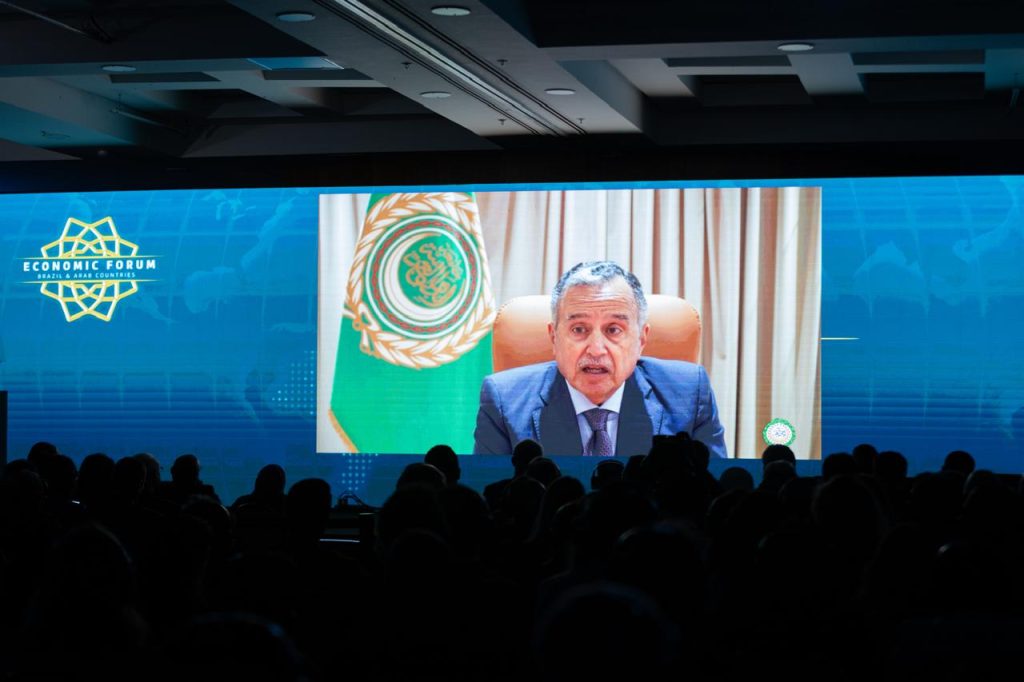
“From this perspective, a new agenda for Arab-Brazilian relations should mean increasing existing trade and moving toward a deeper economic partnership spanning several promising sectors,” Fahmy said, suggesting that strong trade figures between the regions serve as a starting point for a new phase of partnerships that create shared value through joint investments, technology transfer and the integration of regional value chains.
Egypt’s Minister of Planning and Economic Development Ahmed Rostom, also in a video message, said the forum is taking place at a decisive moment for the global economy and history.
“As the world undergoes profound structural changes, reshaping energy supply chains and the financial architecture, our regions have a unique responsibility and an unprecedented opportunity to build a lasting strategic partnership,” the Egyptian official said.
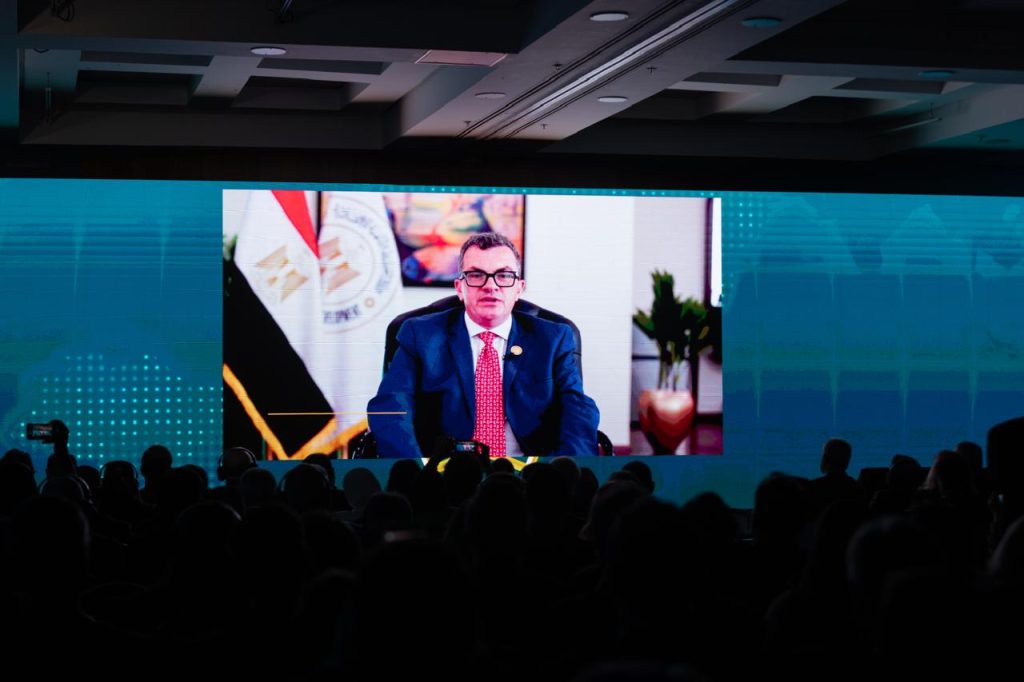
Rostom cited geoeconomic realignments, climate imperatives and technological changes as part of this transformation, saying it requires moving beyond trade toward integrated, resilient and future-ready alliances. In this regard, he highlighted his country’s interests.
“Egypt is ready to serve as a key bridge connecting Latin America and Brazil to Arab and African markets,” the minister said.
Opening the event, ABCC President William Adib Dib Jr. highlighted efforts to advance Brazil-Arab trade amid a challenging environment.
“At the beginning of the year, we were all surprised by conflicts in the Gulf region whose impacts were felt around the world. In the following months, the resilience of Brazilian agribusiness, Arab fertilizer supply chains and international logistics systems helped minimize the effects of the situation,” he said.
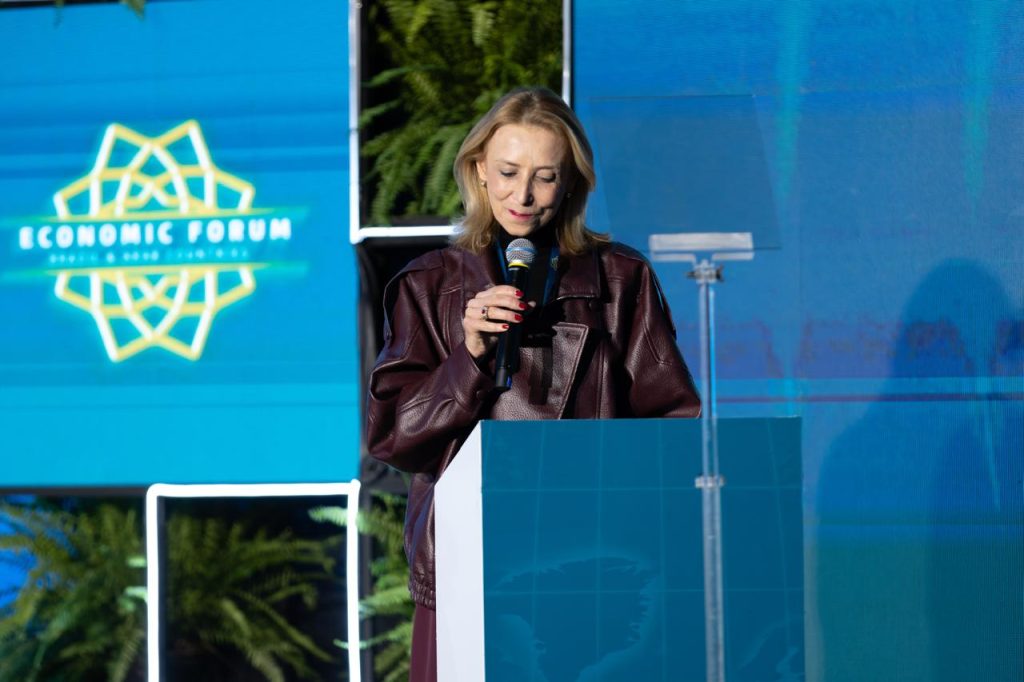
Citing trade figures, with Brazilian exports to Arab markets reaching USD 11.26 billion from January to July, up 3.71%, and Arab exports to Brazil totaling USD 6.13 billion, up 12.22%, Dib said more progress is needed.
“Bilateral ties, despite their resilience and vitality, still have significant untapped potential.”
He suggested boosting exports of manufactured goods, cooperation in clean energy and decarbonization, innovation integration, tourism and other areas.
São Paulo Municipal Secretary for International Relations Angela Gandra highlighted the importance of the Arab community in the city beyond its cultural influence, as builders of São Paulo’s economy and society.
“How many Arabs chose São Paulo as their home and built this city with us,” she said. “We are pleased to host this forum in São Paulo because São Paulo is a place to do business,” she said.
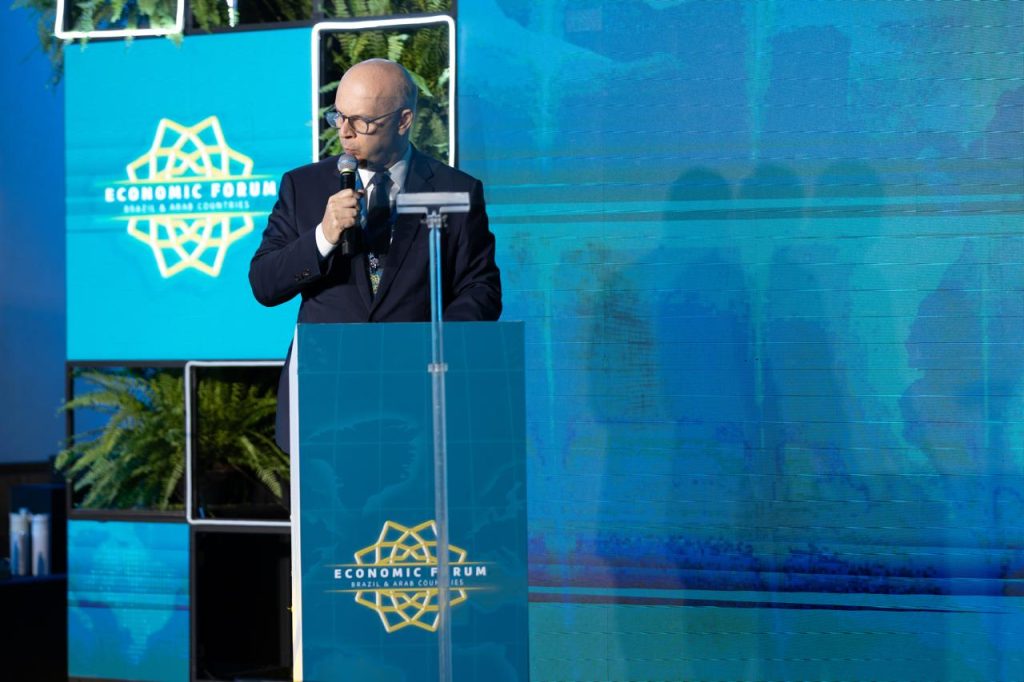
Brazil’s Foreign Ministry Middle East director, Ambassador Clélio Nivaldo Crippa Filho, noted in his speech that relations between Brazil and Arab countries date back to Emperor Pedro II’s visit to the Middle East. Today, Brazil hosts 18 Arab diplomatic missions, while 18 Brazilian missions operate in the Arab world, reflecting a productive relationship with room for further growth.
“We are seeking more ambitious results by diversifying [Brazil’s] export portfolio,” he said, noting that increased trade should also be driven by sectors such as technology and aerospace. “The challenges begin with developing joint opportunities.”
Khaled Hanafy, secretary-general of the Union of Arab Chambers, called for Brazil-Arab cooperation to move beyond exports and imports.
“Although we are operating in a difficult environment, the world’s economic and geopolitical rules need to be reassessed,” he said.
He said the partnership between Brazil and Arab countries should focus on the benefits of collaboration rather than their comparative advantages.
“Arab countries have changed significantly in recent years. People, investment in technology and logistics — everything has changed. Brazil needs to recognize this, because Brazil is a giant and a leader in Latin America,” he said, calling on Brazil and its Arab partners to develop a collaborative project that meets the demands of the new economy.
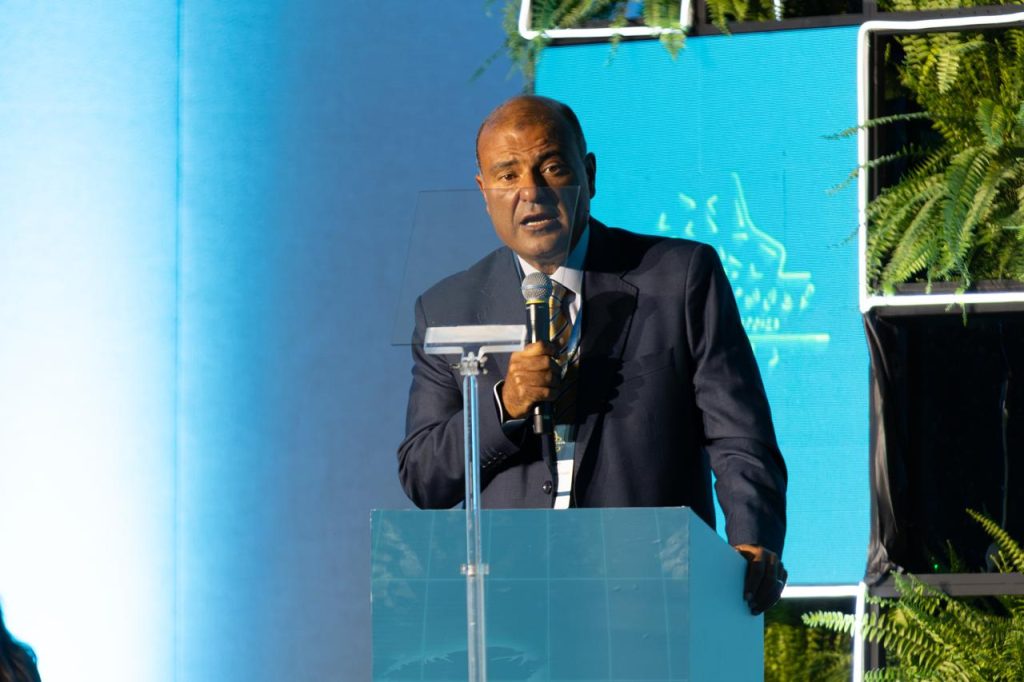
Nabil Adghoghi, dean of the Council of Arab Ambassadors in Brazil and Morocco’s ambassador to Brasília, highlighted priority areas on the Arab countries’ agenda with Brazil for advancing constructive opportunities and initiatives.
“We need to take our relations with Brazil to a broader level and build more diversified and sustainable partnerships,” he said.
He cited a direct maritime cargo route, a stronger legal framework for agreements to unlock investment and business, food security, the digitalization of export and import processes, and academic research partnerships as priorities.
Concluding his speech, Arab League Secretary-General Nabil Fahmy also addressed Palestine, saying it was impossible to discuss development and investment without doing so.
“I cannot fail to emphasize the Palestinian people’s right to self-determination and recall the grave humanitarian, economic and social challenges they face, particularly the widespread destruction that has affected every aspect of life in recent years,” Fahmy said, thanking Brazil for its position on the Palestinian people.
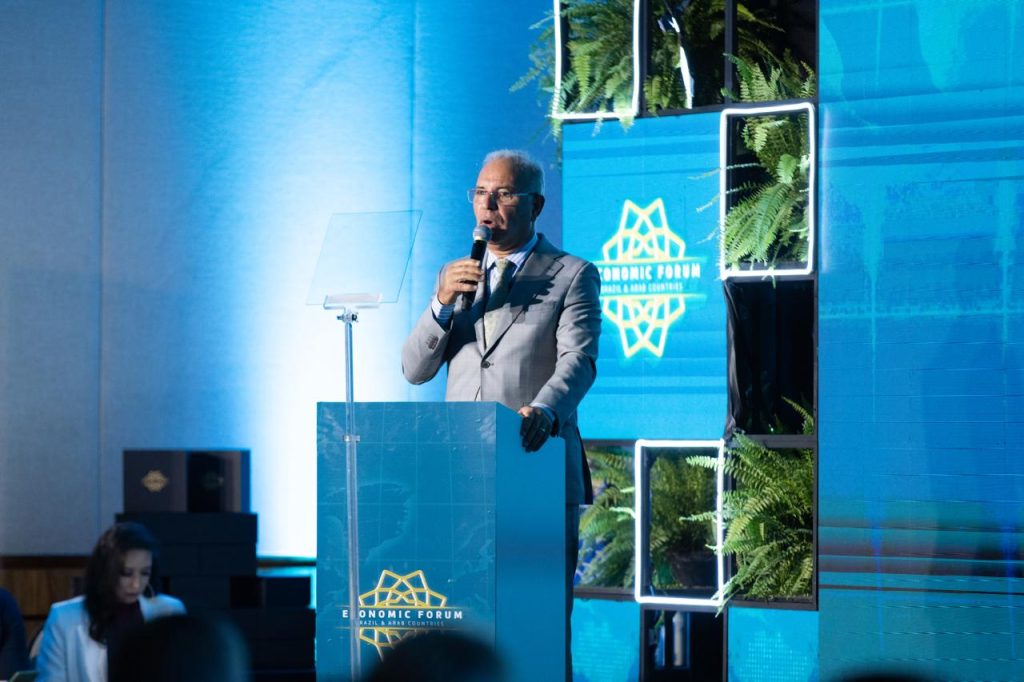
Regional instability featured throughout the opening session, with every speaker addressing it at some point. Vieira described the situation in Gaza as “catastrophic” and reaffirmed Brazil’s commitment to resolving conflicts through the “persistent path of negotiation.”
The forum, organized by the ABCC, is sponsored by Fambras Halal, International Halal Academy, Vale, DP World, Cdial Halal, First Abu Dhabi Bank, MBRF Global Foods Company, Qatar Airways and MZAH Group Investment. Institutional supporters include the Arab League, the Union of Arab Chambers and the Federation of Industries of the State of Bahia. Cacilda Aragão Tours is a partner.
Read more:
Arab companies negotiate food deals in Brazil
Translated by Guilherme Miranda
