



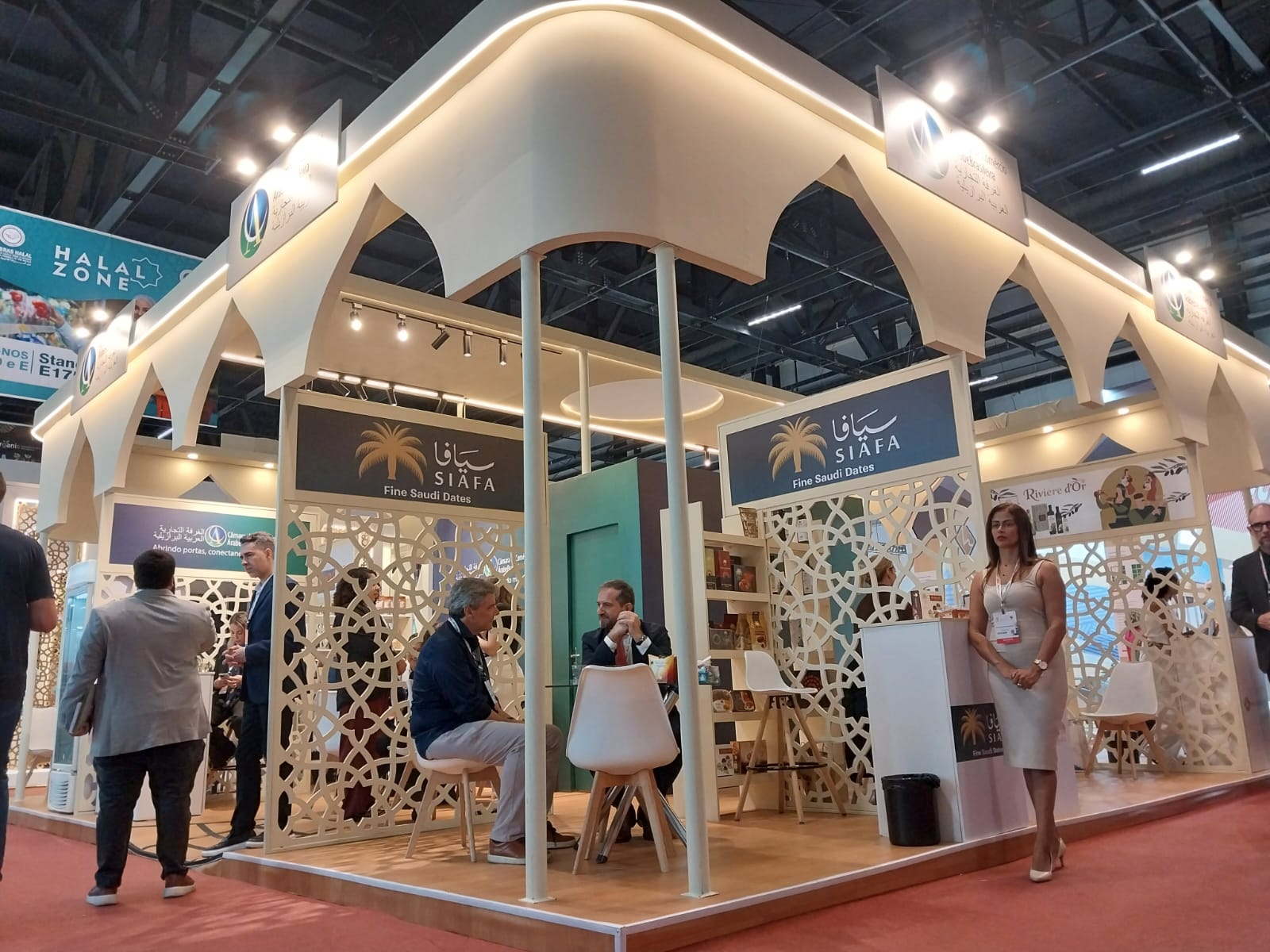
São Paulo – Food brands from five Arab countries are exhibiting at the Anuga Select Brazil trade show in a bid to secure Brazilian distribution channels and reach local shoppers. Some have joined the show to introduce themselves and break into the national market. Others are already on sale at local retailers and are looking to win over new clients. The exhibition kicked off this Tuesday (7) at Distrito Anhembi, in São Paulo, with Arab participation organized by the Arab-Brazilian Chamber of Commerce.
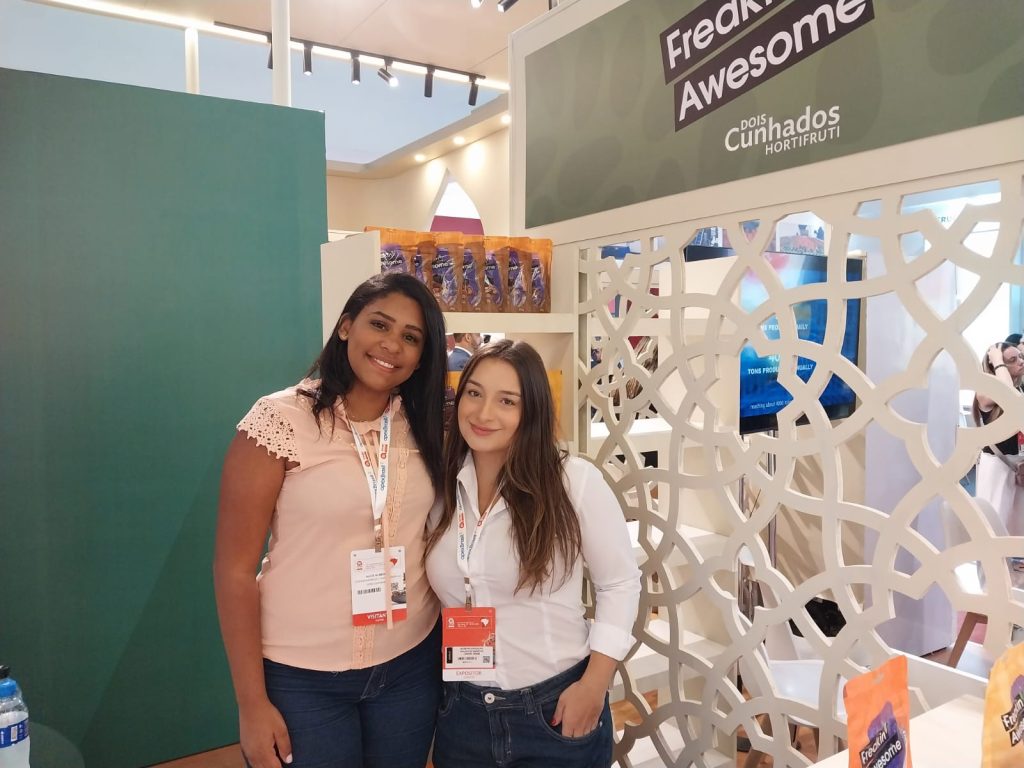
The United Arab Emirates’ Freakin Awesome brand is already available in Brazil. Now, the Brazilian fruits and vegetables import-export and distribution company Dois Cunhados Hortifruti has brought Freakin Awesome to Anuga looking to expand. At the company’s stand, Processes coordinator Alice Almeida and Marketing analyst Bárbara Gonçalves were showcasing packs of regular dates, chocolate-coated dates, and dates with nuts and hazelnut. The brand has been in Brazil for roughly two years now. According to Alice, strong marketing efforts are underway to emphasize product quality, and there are plans to get into medium and small retailers.
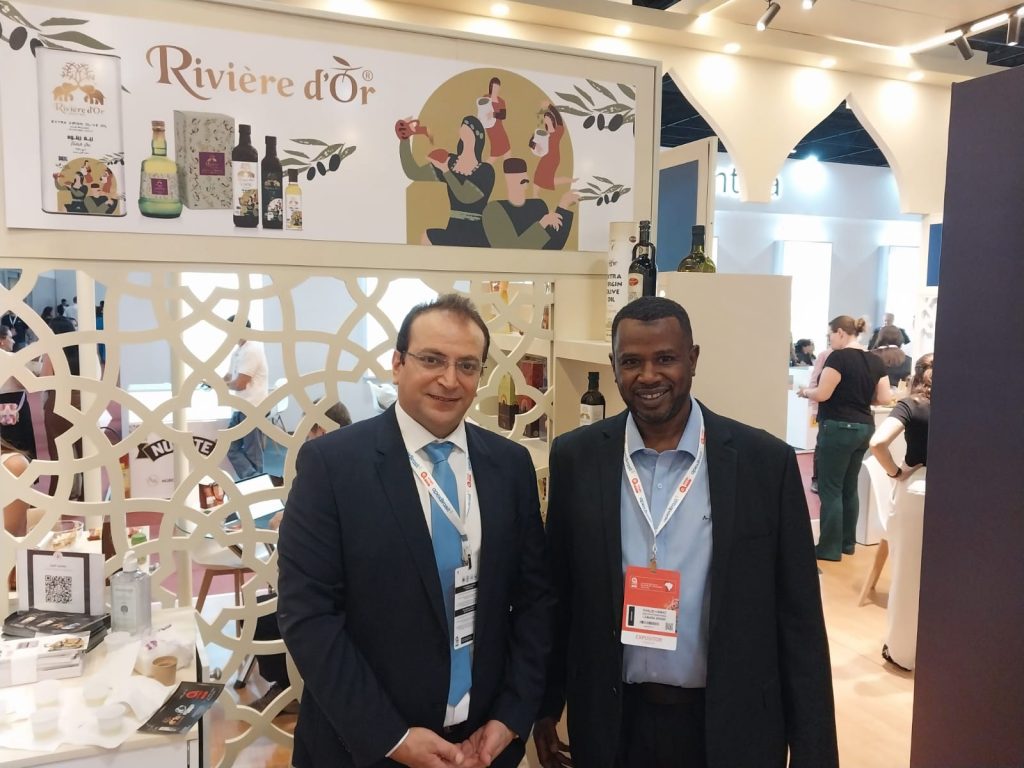
The Tunisian olive oil brand Rivière d’Or is another Arab exhibitor at Anuga Select Brazil via its exclusive representative in the country, Zarif Comex Import e Export. According to Zarif Comex’s Khalid Ombada, originally from Sudan, the first shipping container carrying Riviére d’Or olive oil is about to arrive in Brazil in a few days, marking the brand’s entry into the Brazilian market. Ombada explains that he sought to represent a Tunisian brand because Tunisia is one of the premier olive oil producers in the world.
Sahtayn Foods, which works to bring Lebanese food products to Brazil, carries brands known to the Brazilian public. Commercial director Joseph Abou Sleiman believes demand for such items in Brazil is increasing. He has noticed increased awareness of Lebanese food among Brazilian and Lebanese people as well as new restaurant openings.
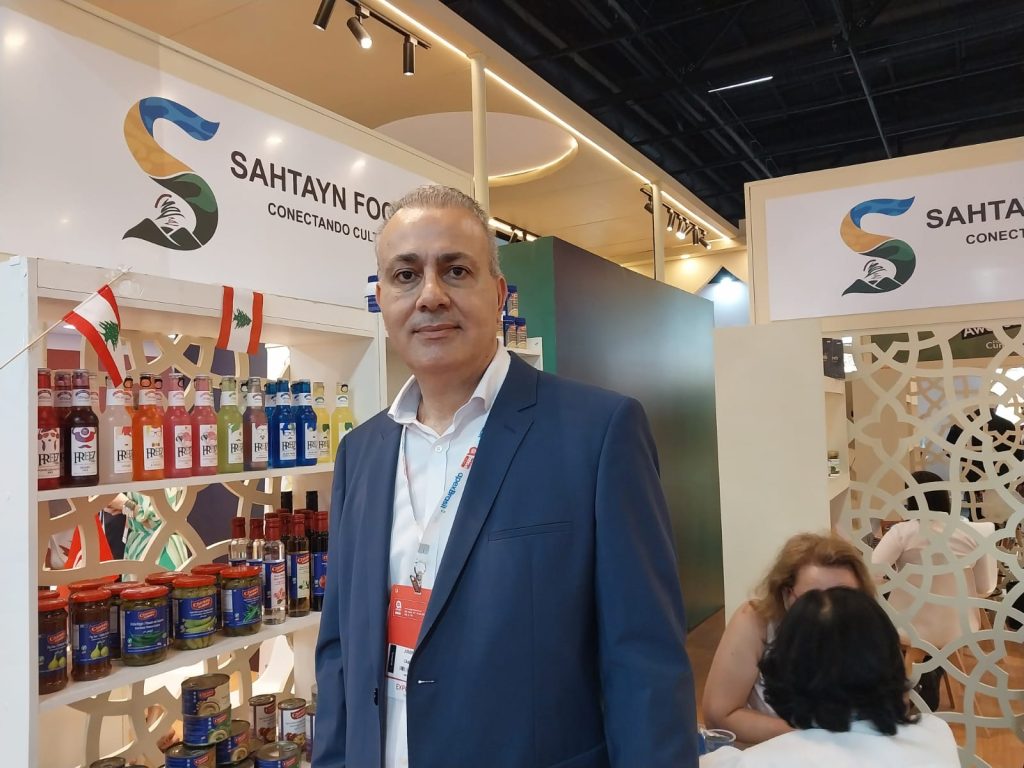
At Anuga, Sahtayn Foods showcased a comprehensive product range including sodas, tahini, pomegranate salsa, cucumber preserves, dates, etc. The items are packaged for end buyers, and some, such as date paste, syrup, and sugar, are also offered in larger volumes for industrial buyers. Sleiman notes that he works exclusively with major Lebanese brands that can escalate to meet demand, since Brazil is a big market.
The Brazilian company Fen Al Kimya, owned by the partners Rita Bassi and Issam Ben Khedher, has brought three Tunisian olive oil brands to Anuga: Nichen, Tesoro del Rio, and Lah’neya. Rita remarks that they are not sold in Brazil yet and that her company’s job is precisely to introduce the foreign brands into the country. “Olive oil is on the way up. You just need to know how to work on it,” she says, adding the caveat that one must be familiar with Brazilian market culture to secure a spot for foreign brands.
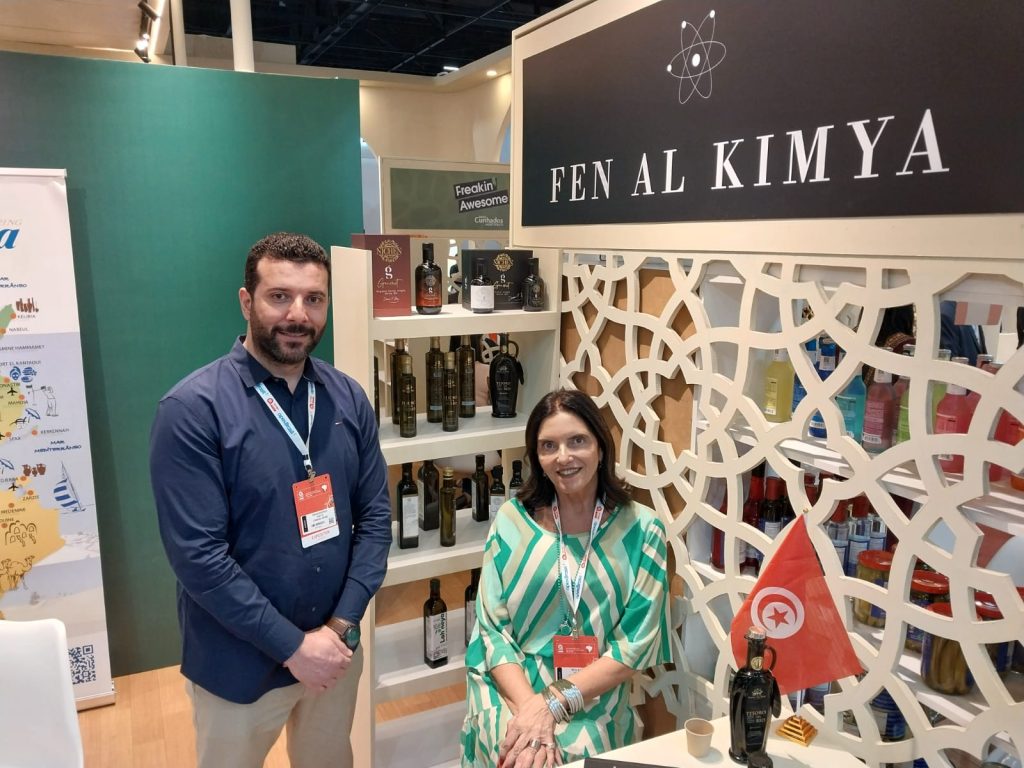
The head of Tunisia’s commercial and consular office in São Paulo, advisor Hassan Al-Saadani, attended the opening day of Anuga. He said the presence of four Tunisian olive oil brands reflects the entry of product from his country into the Brazilian market. He said the olive is more than just a product for Tunisians. “It is our history, it is our culture, it is a bridge, a product that connects us to the world and to the Brazilian market,” he said. Olive oil is made from olives.
Arab Chamber leadership was present on the first day of Anuga. President William Adib Dib Junior said demand at the exhibition gets bigger and bigger. “Each year it proves more relevant in the media and the market,” he said, pointing out that Anuga is a showcase for Arab products. “Our products are getting greater expression, greater visibility, greater recall. People are interested in them; they are reaching out to us. This enables business deals, no doubt,” he said.
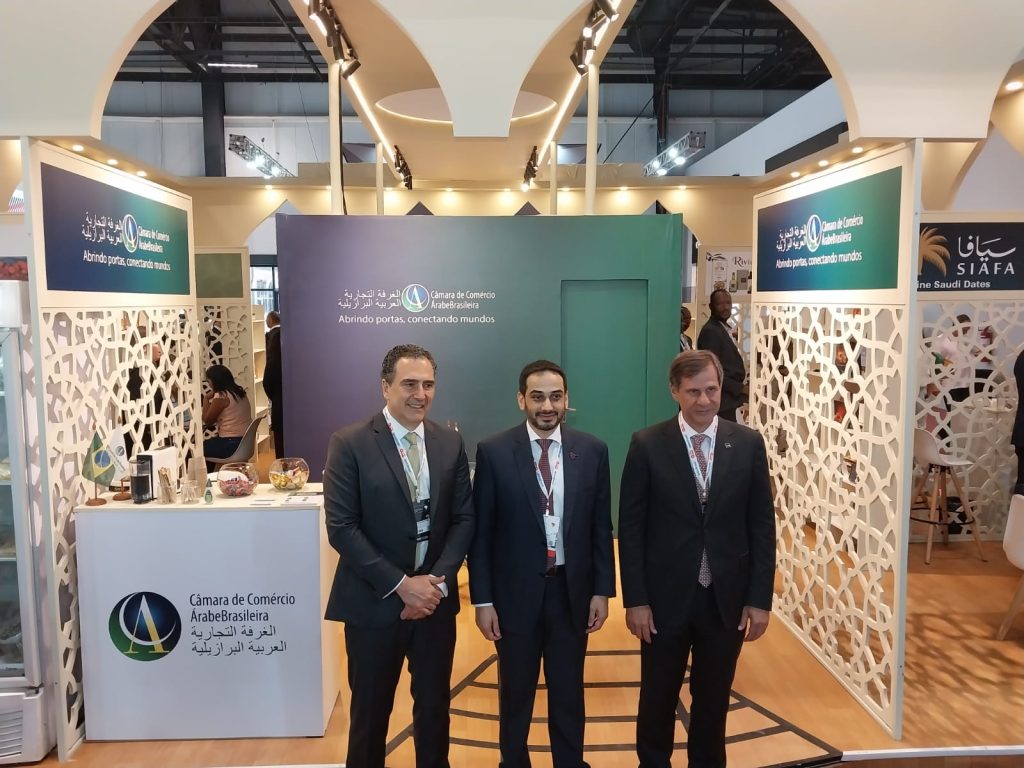
Arab Chamber International Relations vice president and secretary general Mohamad Orra Mourad was also present. “We believe in the show. We believe in its success,” he told ANBA, highlighting the quality of exhibitors and the diversity of featured products and countries. “This year we are bringing products from Saudi Arabia, the UAE, Egypt, Lebanon, and Tunisia. We have diversity in our pavilion. I hope this will be reflected into good business for everyone,” he said.
Authorities attending the exhibition on the opening day included the ambassador of Lebanon to Brazil, Elias Nicolas. He was moved by seeing Lebanese items on display at a time when Lebanon is under attack amid the United States and Israel war on Iran. “I am here to support our businesses who are striving to give the best they can give,” he said, mentioning the difficult times the country is going through. “They can kill us there, they can destroy our homes, but they could not kill our ambition. They could not annihilate our spirit,” he said.
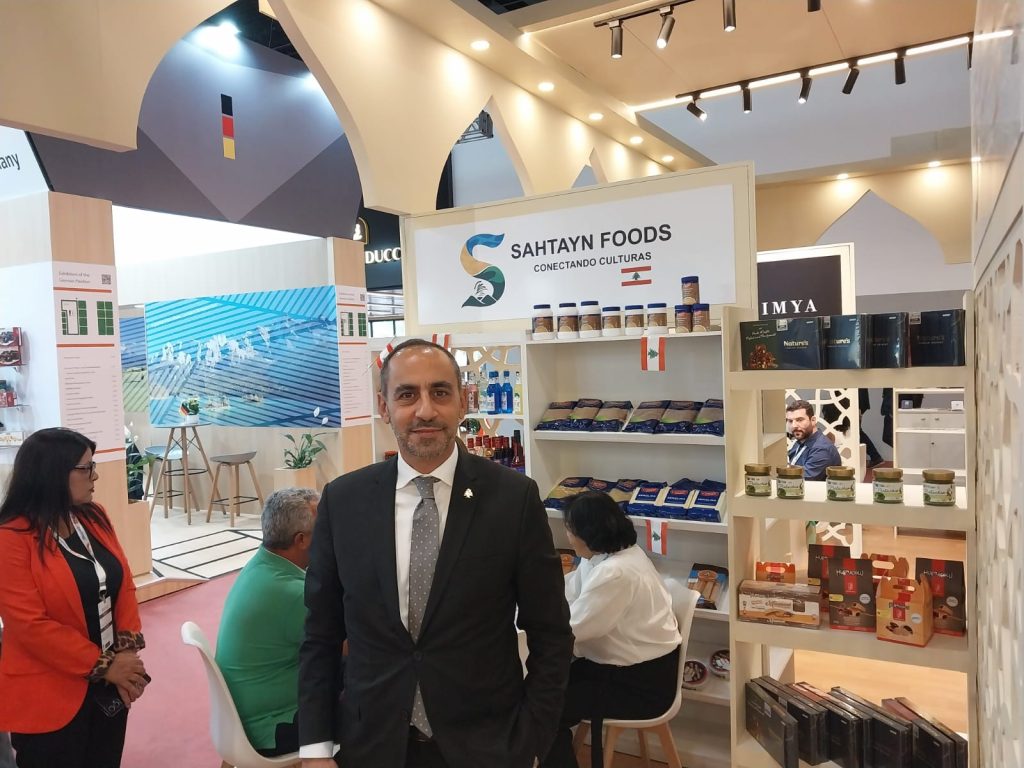
The ambassador said he realized Lebanese food is well-known and appreciated in Brazil. According to Nicolas, manufacturing continues in Lebanon despite the war. “Lebanon and the Lebanese have not stopped for one day doing what they are naturally supposed to do, to continue to produce and to demonstrate that Lebanon is not only a territorial space. Lebanon is an ambition. Lebanon is a place of creativity. Lebanon is a place for hope, not only for the Lebanese but for the whole Middle East, for the whole region and for the world,” he said.
Other leaders and authorities from the Arab world were also in attendance on Anuga’s opening day, including the United Arab Emirates consul general to São Paulo, Abdalla Shaheen. The company Siafa, from Saudi Arabia, and the El Sheik Group, from Egypt, are also exhibiting at the Arab Chamber stand. The stand includes an area for the Halal Brazil Project, designed to promote Brazilian goods in Islamic markets. The halal certifying body Fambras Halal is present elsewhere at Anuga Select Brazil, and the International Halal Academy is hosting a halal forum at the trade show.
Translated by Gabriel Pomerancblum
