



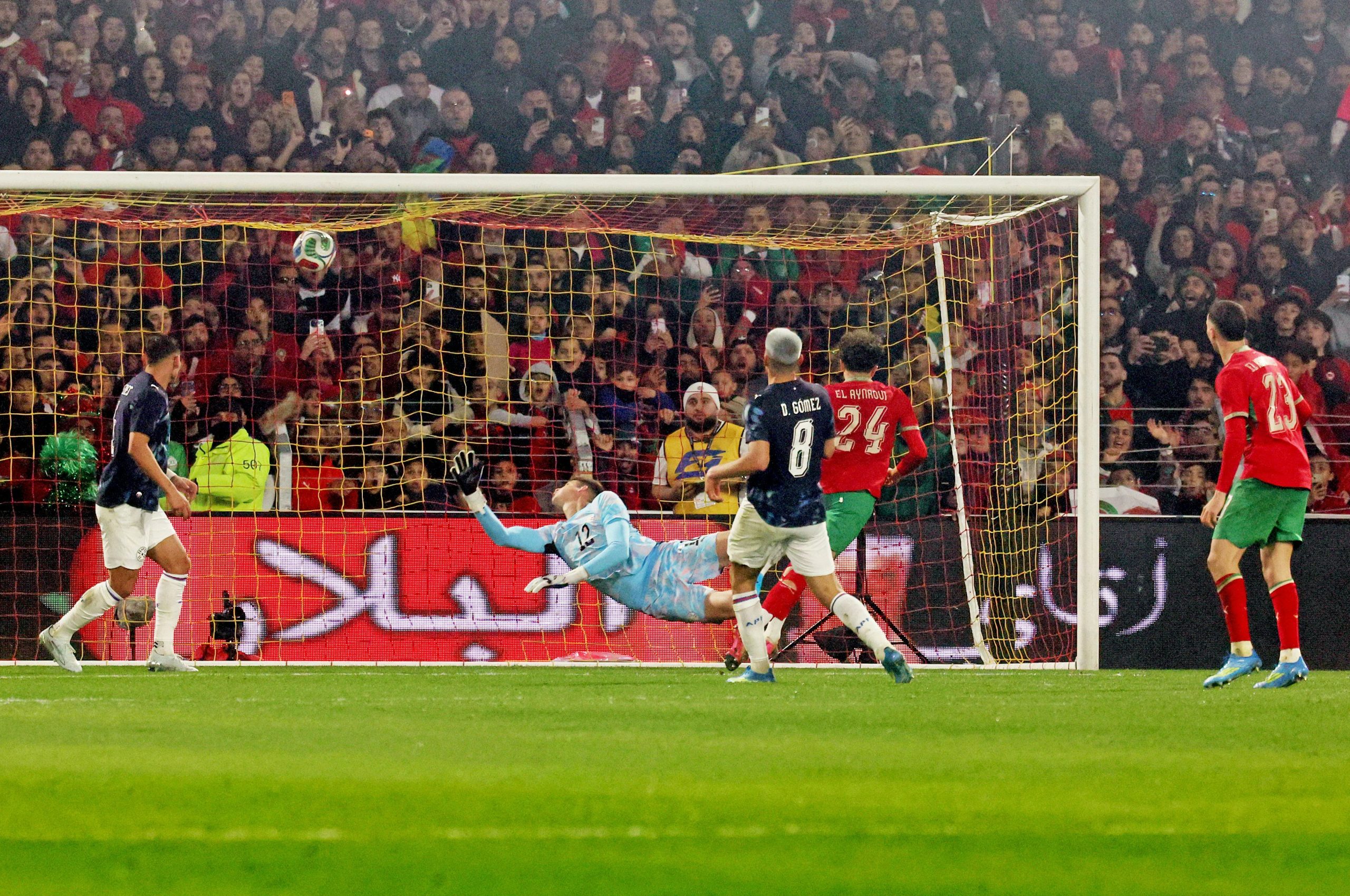
São Paulo – The largest FIFA World Cup in history in terms of number of teams, 48, the tournament kicking off in June will also feature strong participation from Arab nations: eight teams. Among the highlights, Jordan will make its World Cup debut, Iraq returns to the competition after 40 years, and Egypt and Morocco face the challenge of confirming their teams’ rise. Algeria and Jordan will meet in the group of the reigning world champion, Argentina, led by Lionel Messi. Below are the highlights and challenges for each Arab country in the tournament, which begins on June 11 in Mexico, one of the host countries alongside Canada and the United States.
Qatar
Qatar did not take part in the latest round of FIFA-organized friendlies at the end of March. Due to the conflict in the Middle East—which directly affects Gulf countries—the team’s matches against Argentina and Serbia were canceled. Even without taking the field, the squad led by Spanish coach Julen Lopetegui continued training as usual. This will be Qatar’s second appearance in a World Cup. The first came three and a half years ago, when the country hosted the tournament.
Marrocos
Morocco surprised the world by securing fourth place at the last World Cup, held in 2022 in Qatar. But the result was no fluke, as the country has been investing in player development and football. Proof of this is that Morocco will host the next World Cup, in 2030, alongside Portugal and Spain.
Off the field, however, the team has been going through turbulent times: in a controversial match in January, Morocco finished as runner-up in the Africa Cup of Nations after losing to Senegal. The title was later awarded to Morocco in March because, at one point during the match, Senegal left the pitch, which constituted abandonment and a forfeit loss. Senegal refused to hand over the trophy.
In addition, Morocco recently lost its head coach, Walid Regragui, who stepped down. He was replaced by Mohamed Ouahbi, who must now prepare the team led by star player Brahim Díaz for its opening match against none other than Brazil.
Egypt
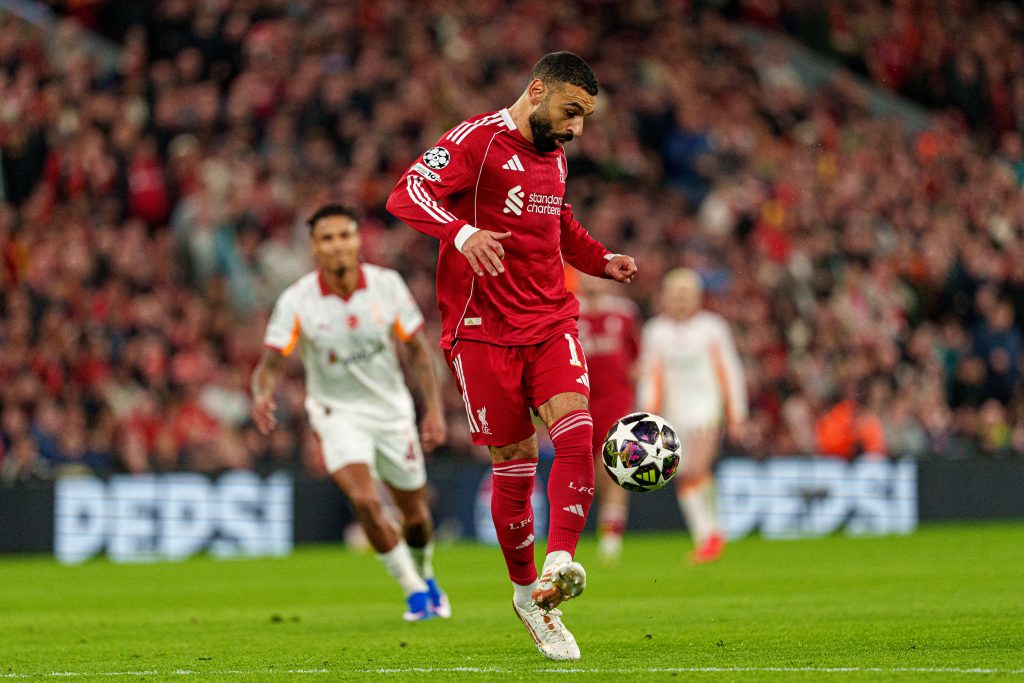
In their two most recent friendlies, Egypt thrashed Saudi Arabia 4–0 and drew 0–0 with Spain. Both matches were played away from home and without the team’s star, forward Mohamed Salah, who was injured. Led by Hossam Hassan, the side will make its fourth World Cup appearance this year—having previously competed in 1934, 1990, and 2018. The standout from the last match was Egyptian goalkeeper Mostafa Shobeir, who secured the draw against Spain. Before the World Cup begins, Egypt faces one more major test: a friendly against Brazil.
Saudi Arabia
The 4–0 defeat to Egypt on Friday (27) in Jeddah left head coach Hervé Renard in a delicate position. Although his job was backed by the Saudi football federation, he failed to correct the team’s mistakes in the following match, played on Tuesday (31). The Saudis were beaten 2–1 by Serbia, coming from behind. Despite officially remaining in charge, Renard has been linked with Ghana’s national team less than three months before the World Cup.
Iraq
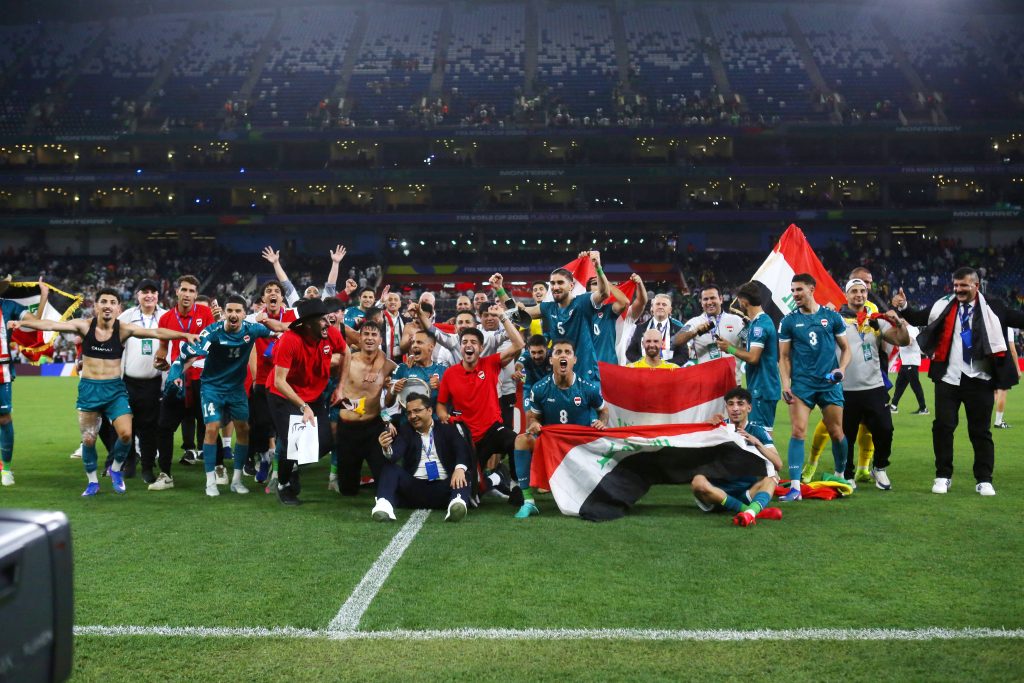
After defeating Bolivia in the intercontinental playoff, Iraq secured the final spot in the tournament and must now prepare for a tough path ahead: it will face the world runner-up France, as well as Norway and Senegal. The team heads into the competition energized by its qualification, which marks only its second World Cup appearance in history—the first was in 1986, in Mexico. One of the team’s standout players is midfielder Zidane Iqbal, who is named after French star Zinedine Zidane.
Algeria
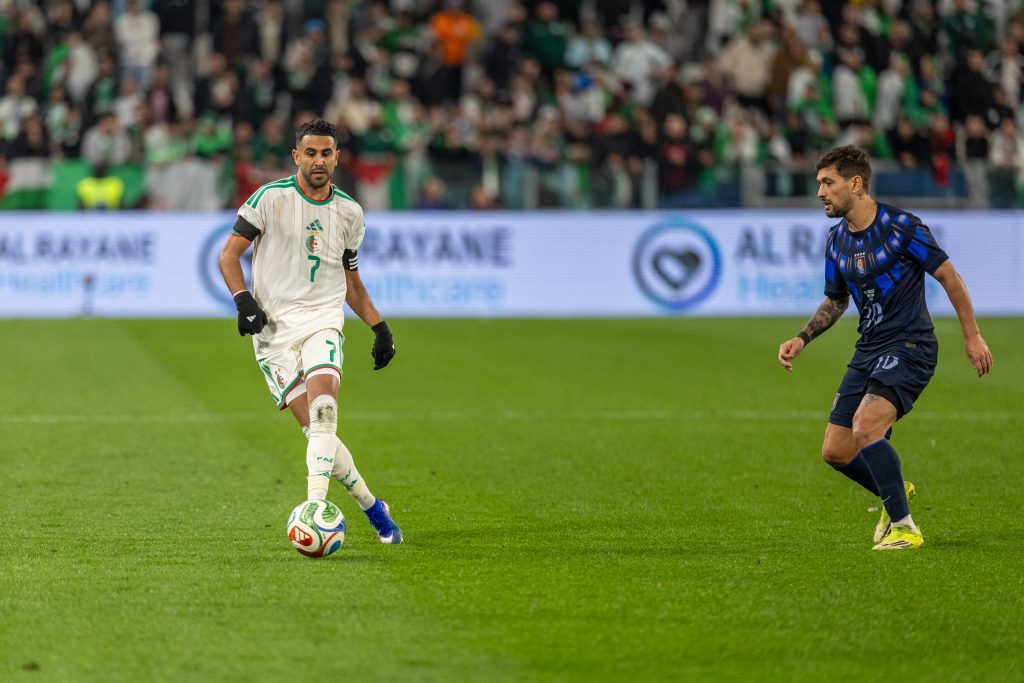
Algeria’s national team has been absent from the World Cup since 2014, when it played in Brazil. It returns with the challenge of facing three-time world champion Argentina right in its opening match. In the friendlies leading up to the tournament, a 7–0 victory over Guatemala and a 0–0 draw against Uruguay lifted fans’ spirits, who are counting on Riyad Mahrez to make the difference.
Jordan
Jordan heads into its first-ever World Cup having lost only two matches in the Asian qualifiers. The team’s strengths lie in defense and, especially, in attack. Even without two of its main forwards, Ali Olwan and Yazan Al-Naimat, the side secured 2–2 draws against Costa Rica and Nigeria in its most recent matches.
Tunisia
Tunisia has a new head coach: Sabri Lamouchi took charge of the team in January and is still searching for the best lineup for the country’s seventh World Cup. In the latest round of friendlies, the side narrowly beat Haiti 1–0 and drew 0–0 with Canada. Now, tougher tests lie ahead, as Tunisia will face Austria and Belgium in two friendlies before kicking off its campaign in the tournament against Sweden.
Read more:
Iraq returns to World Cup after 40 years
Translated by Guilherme Miranda

