


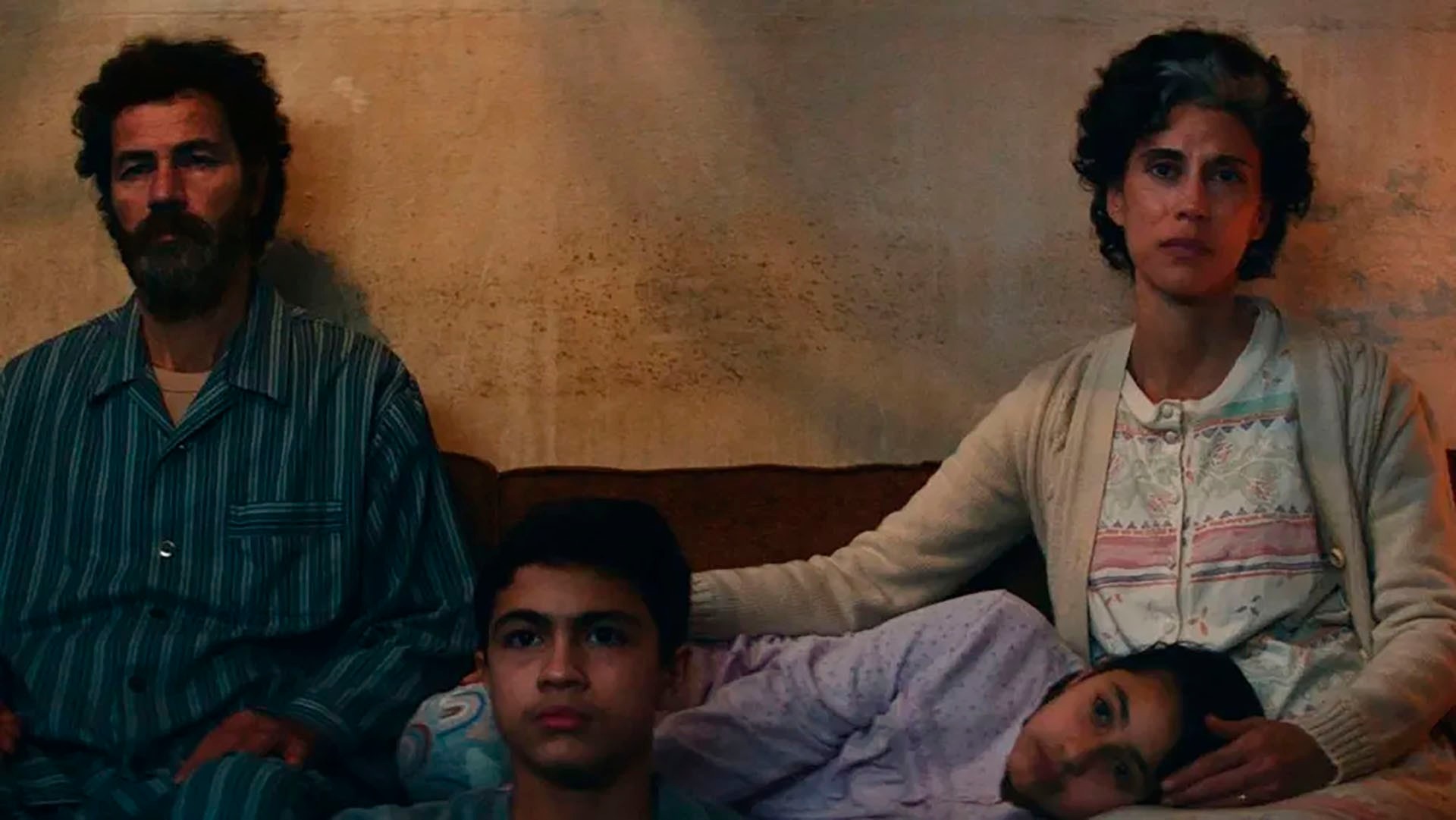
São Paulo – When young Palestinian Noor hides from gunfire in a car during a protest against Israel, the vehicle’s windshield is hit and shattered. From this moment, Palestinian American filmmaker Cherien Dabis, director of All That’s Left of You, explores what led up to this point in the teenager’s story, portraying a family history of pain and loss shaped by foreign occupation and spanning generations of Palestinians.
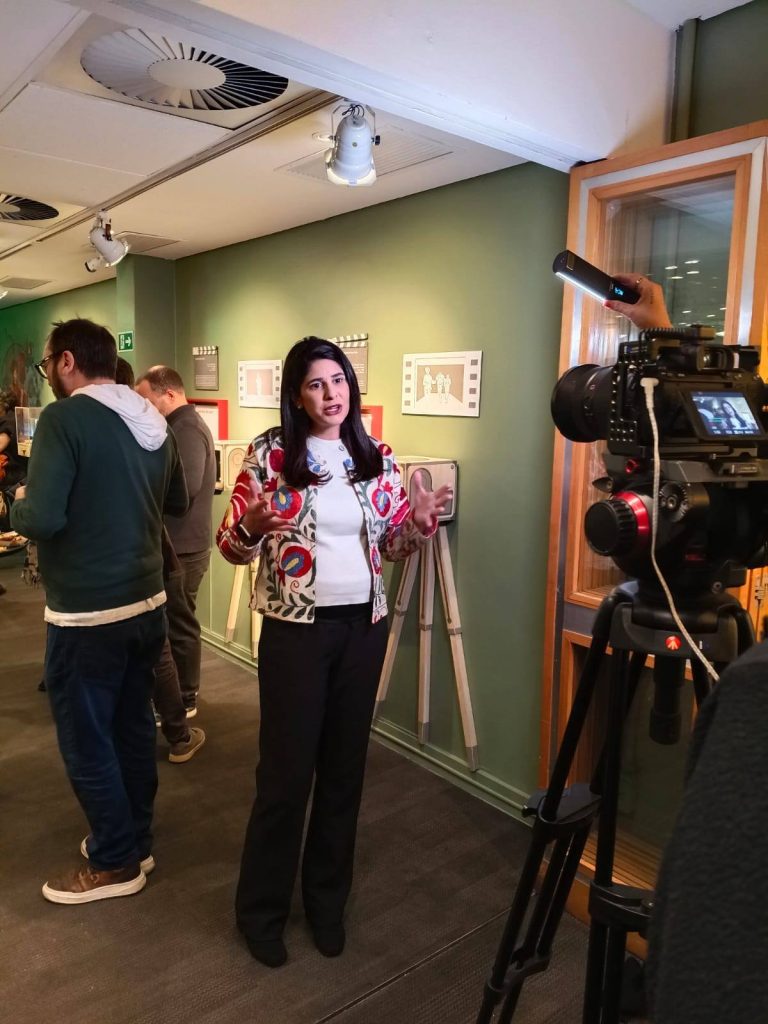
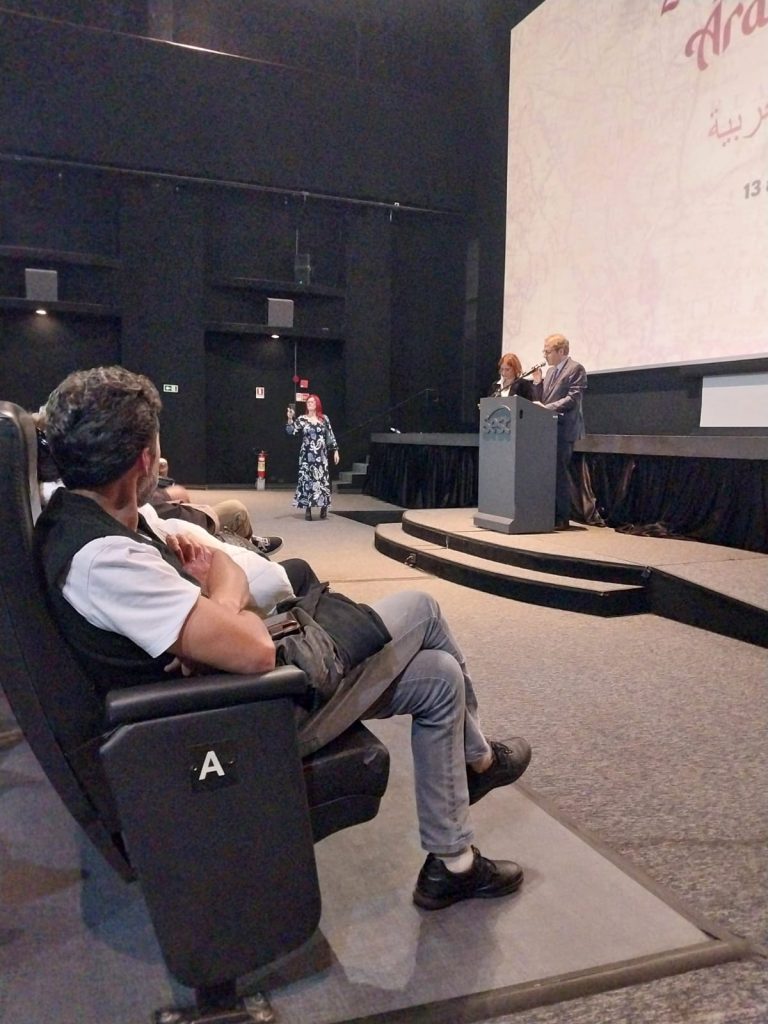
It was with this film and its theme—covering both present-day Palestine and Palestine in the 1940s, when the state of Israel was first established, displacing Palestinians from their lands, and the decades since—that the Arab World Film Festival opened on Wednesday night (13) at CineSesc in São Paulo, with a full house. Now celebrating 20 years, the festival reaches its 20th edition.
“Being able to open today’s screening—and this edition, which runs until September—with a Palestinian film is not just a source of pride for us but our form of resistance, our moral obligation, and our way of surviving in the face of memory erasure, dispossession, and the dehumanization of the other,” said Natália Calfat, president of the Institute for Arab Culture (Icarabe), which organizes the festival together with the Social Service of Commerce (Sesc) and state-run lender Banco do Brasil.
After opening with the lively, talkative teenager Noor alongside his friend, and closing the initial shots with gunfire, All That’s Left of You moves into the young man’s family past, reaching back to his grandfather Sharif in the 1940s—a family man resisting leaving the city of Jaffa to the Zionists, stubbornly holding onto his fruit-exporting orange grove, but ultimately forced to surrender, first to imprisonment and then to life in a refuge.
Salim, one of Sharif’s sons, becomes Noor’s father. In a daily struggle to survive under Israeli control, surrounded by soldiers, Salim teaches and tries to provide basic comfort and security for his small family. The memory of grandfather Sharif begins to fade, but he still instills in his grandson the desire to see a free and self-determined Palestine. Together, grandson and grandfather sing and play, numbing the pain of a life on hold and dreams cut short by the conflict.
The Arab World Film Festival promises to be a journey through the realities of the Arab world. One of the films, Sudan, Remember Us, by director Hind Meddeb, is a documentary-poem capturing Sudanese youth between revolution and exile, just before the civil war. Who Do I Belong To, by Meryam Joobeur, depicts Aïcha’s drama when her son returns from Syria with his pregnant mute wife. The festival will feature 12 premieres and five repeat screenings, with programming at CineSesc until August 19 and at the Banco do Brasil Cultural Center (CCBB) in São Paulo from August 16 to September 7.
The festival’s curator, Arthur Jafet, a member of the Board of the Arab-Brazilian Chamber of Commerce (ABCC), introduced the films to the audience and spoke about cinema’s role. “Arab cinema, from names like Youssef Chahine in Egypt, Jocelyne Saab in Lebanon, and Michel Khleifi in Palestine, has shown that filming is not just recording—it is intervening in history, preserving what disappears, and reimagining the future,” Jafet said. He also reflected on the festival’s 20-year history: “Over these 20 years, the festival has created a space for listening and projection, both literally and symbolically, for cinemas that challenge erasure.”
Turning 20
Soraya Smaili, one of Icarabe’s founders and the creator of the Arab World Film Festival, also spoke about reaching its 20th edition. According to her, it took years of hard work. “It was a learning process—we had to learn how to bring the films, how to translate them, how to negotiate them, and fortunately we inspired other festivals,” she said, highlighting the various partnerships built to make the festival possible.
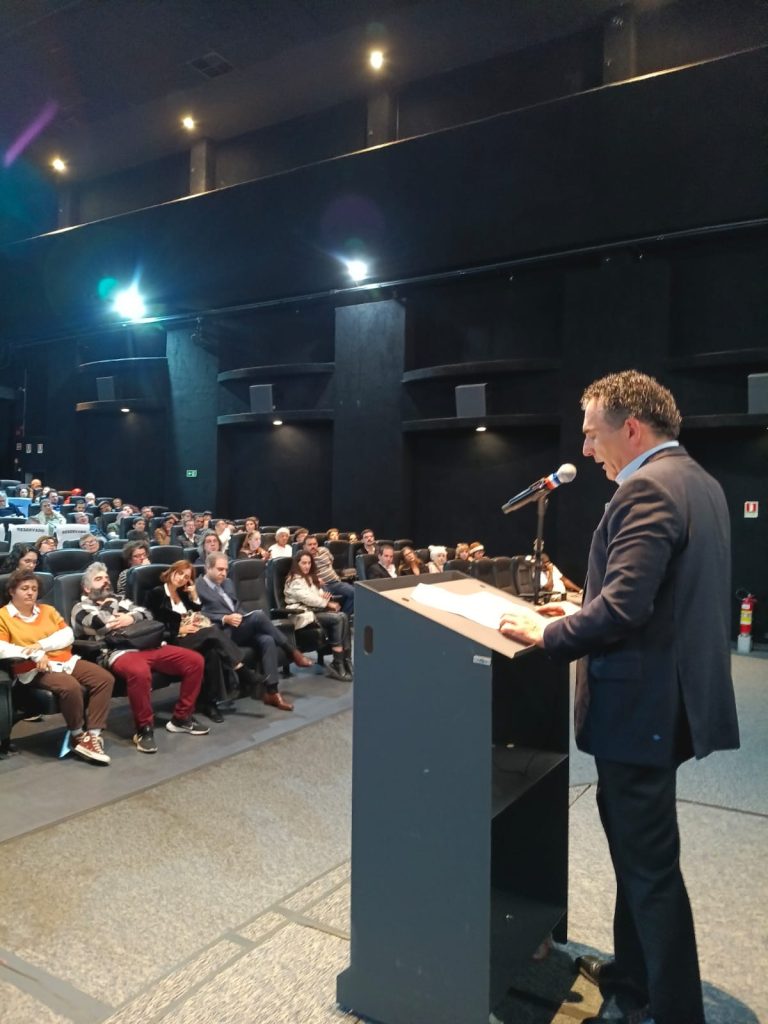
One of these partnerships was with the ABCC, whose president, William Adib Dib Jr., spoke at the opening. The ABCC sponsors this edition through its Arab House. “Over two decades, the festival has become established in São Paulo’s cultural calendar and enjoys great prestige, even amid the many alternatives the city offers,” Dib said. He added that the festival helps give visibility to the multiple expressions of the Arab world in its social, political, and cultural diversity.
Spanish filmmaker Isabel Fernández was also present and spoke at the opening. Her film The Builders of Alhambra is part of the 20th edition’s program. She described it as “fortunate” that the film is being shown for the first time in Brazil alongside productions addressing Mediterranean themes or directed by Arab filmmakers.
Also speaking at the opening were Érika Mourão Trindade Dutra, Cultural Action Manager at Sesc, who said that festivals like this aim to highlight the contributions of different cultures in Brazil, and Claudio Mattos Brito Filho, General Manager of CCBB, who spoke about cinema’s power to cross borders, bring cultures closer, and build bridges between realities.
Among the audience were former ABCC presidents Rubens Hannun and Osmar Chohfi, current Administrative Vice President Nahid Chicani, Treasurer Mohamad Abdouni Neto, and Board member Lourenço Chohfi Neto.
See the full program on the festival’s website.
Read more:
Arab World Film Festival reaches its 20th edition
Translated by Guilherme Miranda
