



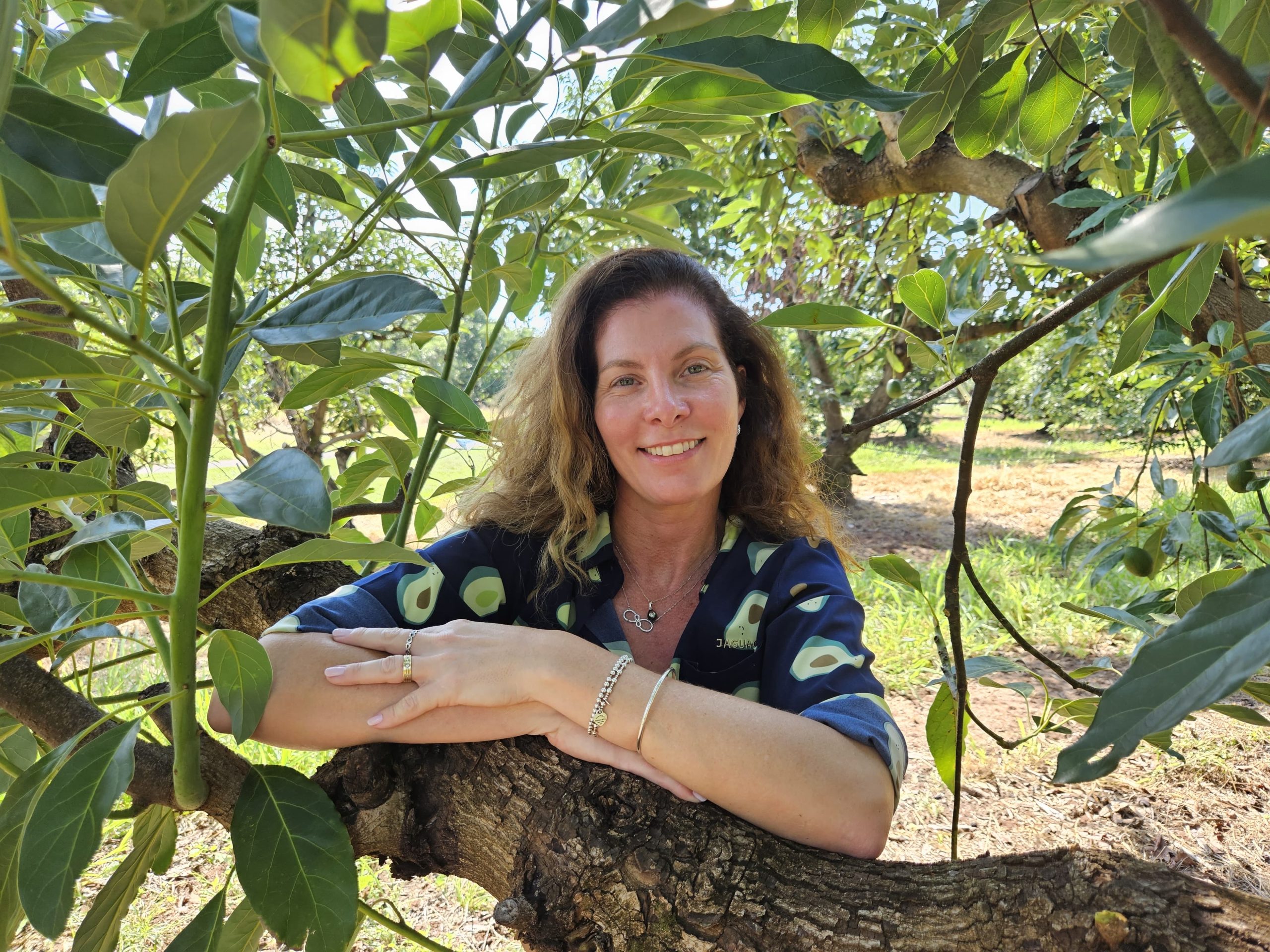
São Paulo – A family-owned company now run by its second generation, Jaguacy began in 1972 producing tropical avocados, which are more familiar to Brazilian consumers. When the company started exporting in 1980, it found that Hass avocados were more widely consumed in Europe, where they were more commonly used in savory dishes because they contain less water and more fat, and were also easier to export.
“Until 1996, we only exported the Hass variety, from the United States, because it was more resistant to cold and long trips in refrigerated containers,” says Lígia Falanghe Carvalho, managing partner in charge of marketing and People & Management, and the second generation of her family to run the company.
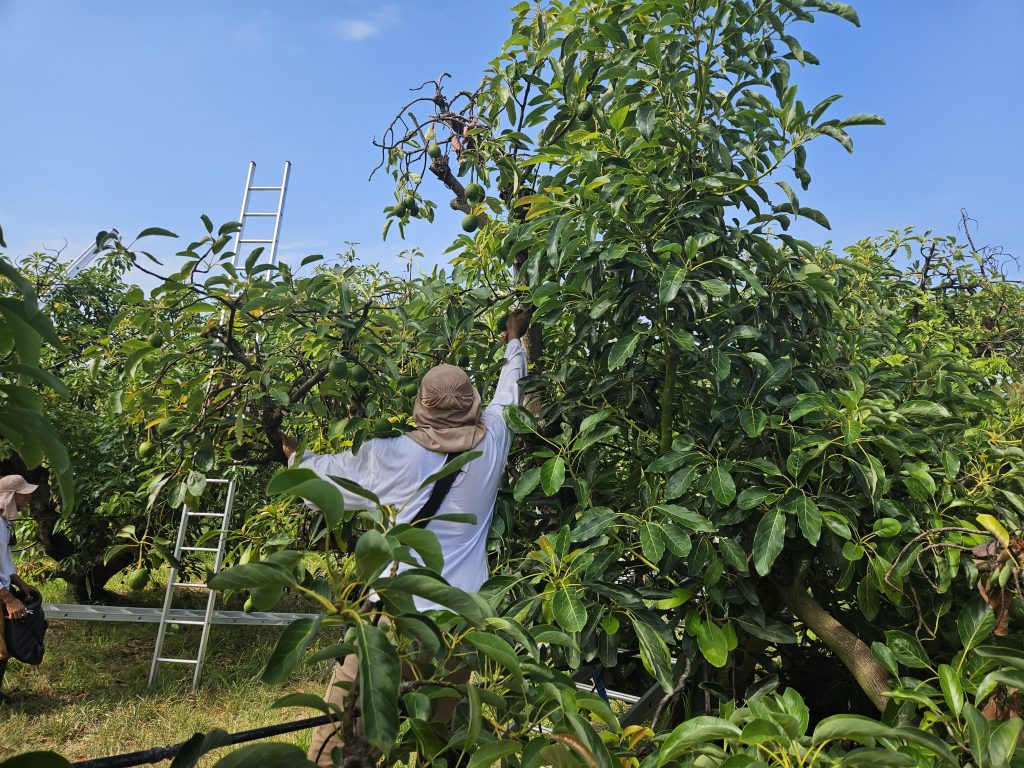
Lígia’s father, Paulo Roberto Leite de Carvalho, already had experience with pine reforestation and had developed an avocado project while he was still a student at Esalq, the agriculture research center at the University of Sao Paulo. He took a chance on putting the project into practice—and it worked so well that it grew into an exporting company. Now, in addition to exporting fresh fruit, with 80% of its production shipped abroad, Jaguacy also sells byproducts such as frozen pulp, avocado oil and guacamole, packaged in small tubs like butter.
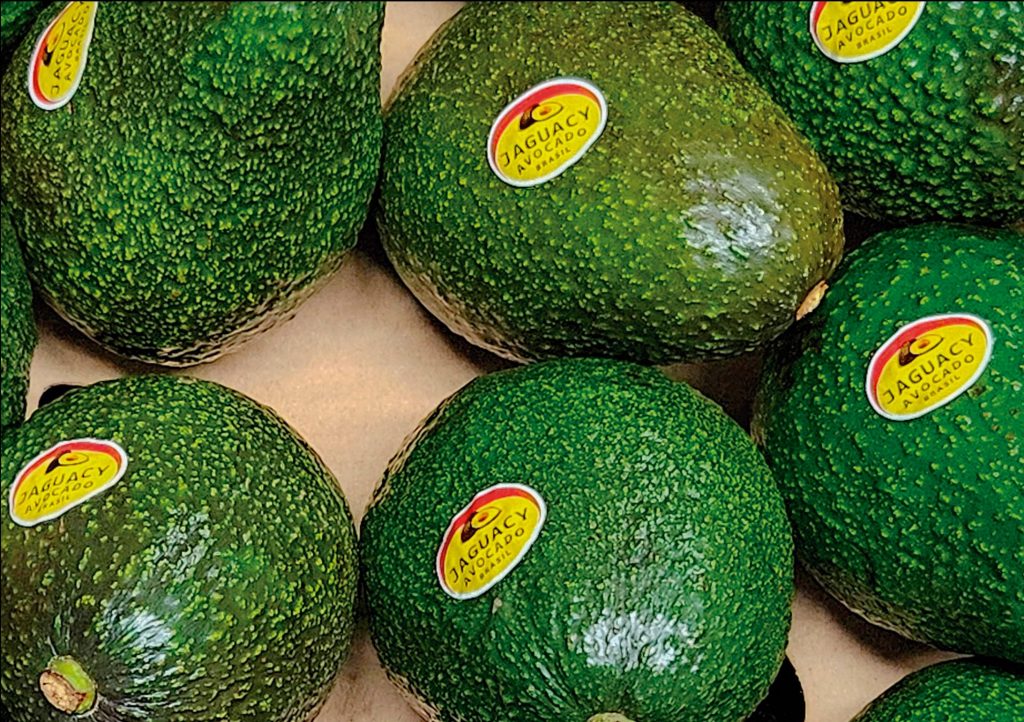
Among the more than 20 countries to which the company has exported, Spain and Argentina are currently its largest buyers. Europe as a whole is a major importer, from Russia to Italy. Canada, Uruguay and Chile are also regular customers. Jaguacy has exported to the United Arab Emirates and Morocco in the past, but the Arab market remains an area with room for further exploration.
“The biggest hurdle is logistics. Shipments have to go through Europe, and we need to have enough fruit at attractive prices. But we have already visited the UAE and are extremely interested in the region, where there is plenty of room for expansion,” says Lígia, who sees products such as pulp and guacamole as more strategic for the Arab market than fresh fruit.
Own production
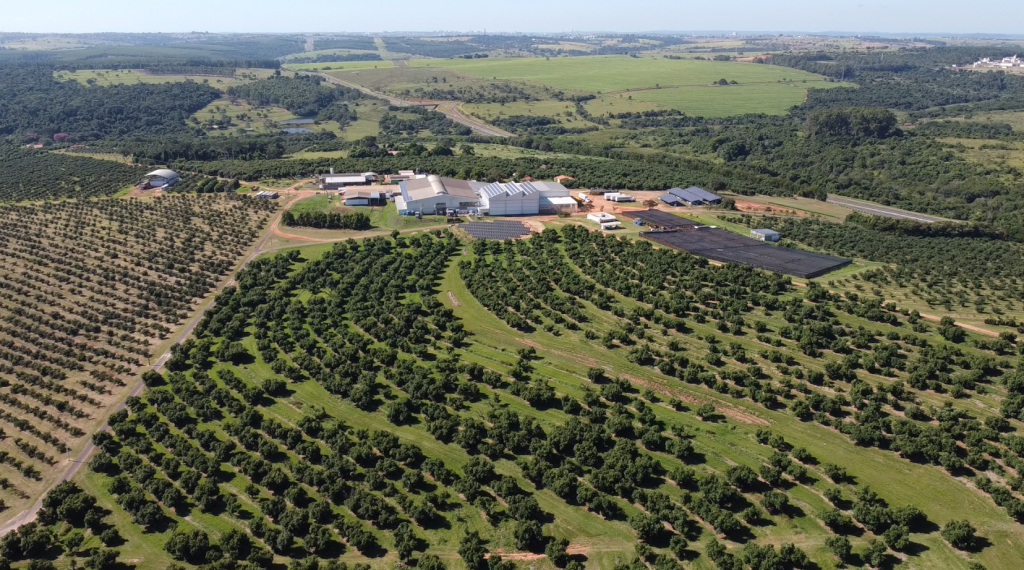
Jaguacy currently has farms in three regions of Brazil, six in São Paulo state (in the Bauru region and in cities near Paraná) and a business unit in Rio Grande do Sul. The locations are strategic: when the harvest ends at one, it begins at another. The seedlings are certified and grown in the company’s own nursery, and the planting and harvesting process is a long one: seedlings are treated and grown for three years before producing fruit. Production begins the following year. In addition to its own production, the company buys from growers in several parts of the country, including Bahia, Goiás, São Paulo and Rio Grande do Sul.
Currently, 290 employees work at the company.
“But we are in the off-season—during the harvest season, we have 1,000 workers,” Lígia explains.
Jaguacy also invests in recipe-focused marketing, particularly on Instagram, where it has more than 27,000 followers, and in partnerships with nutritionists because, after all, avocado is a healthy, versatile food and a good choice for a balanced diet.
Learn more:
Jaguacy website
Jaguacy Instagram
Report by Débora Rubin, in collaboration with ANBA
Reportagem de Débora Rubin, em colaboração com a ANBA
