


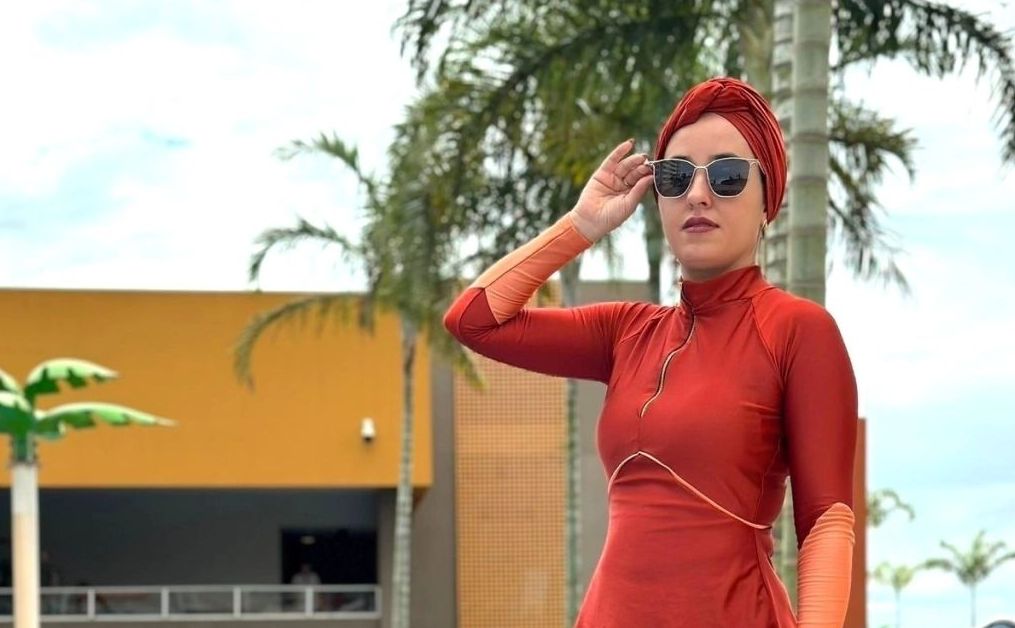
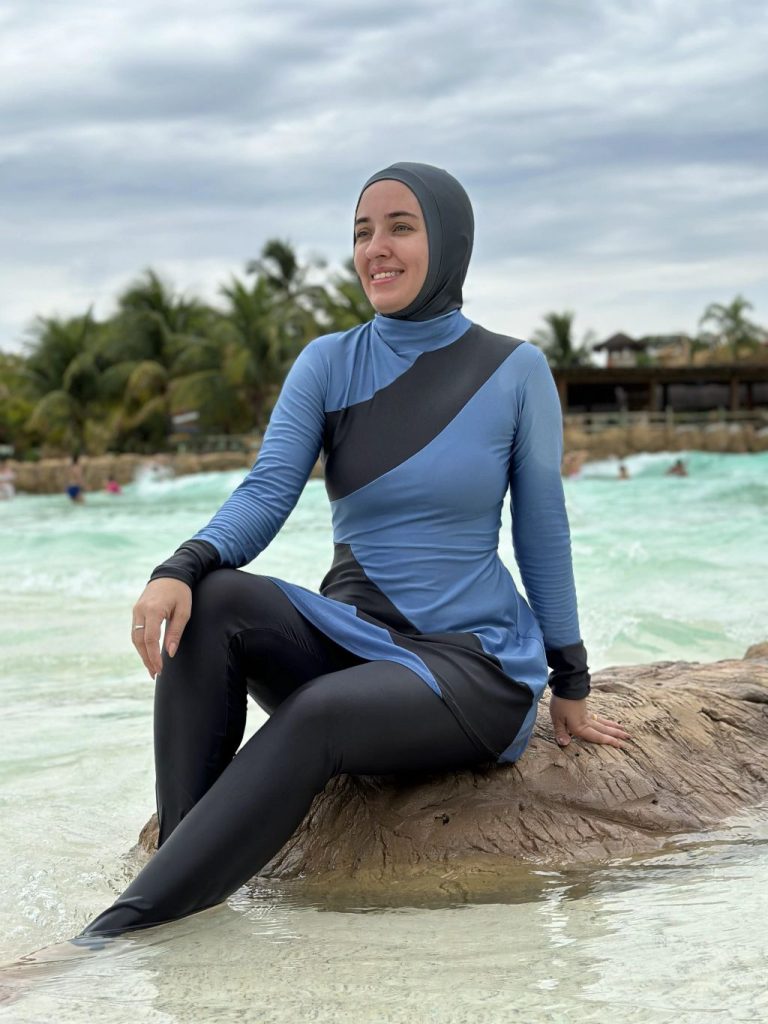
São Paulo – It was necessity that led three Brazilian women to create and incorporate the burkini into their clothing brands, supplying the domestic market with a piece of Muslim fashion that is not so easily found in the country. Worn at the beach, pool, and even at the gym, the burkini has eager consumers in Brazil and abroad.
Initially part of the wardrobe of thousands of Muslim women—whether born into Islam or converts—the garment is now also chosen by women of other faiths who simply appreciate modest fashion. Those working in the sector have noticed growing demand.
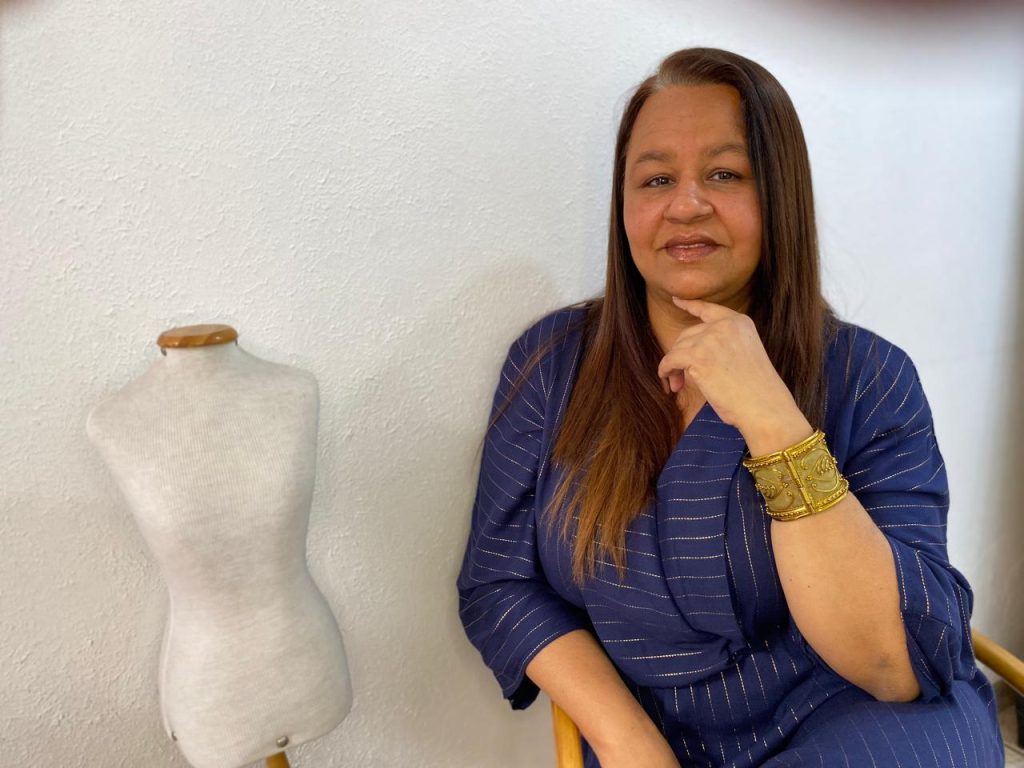
Born in the state of São Paulo, Alessandra Volpi is one of the Brazilian women who sell and export burkinis. The founder of the Alai brand, the São Paulo native first approached fashion through sewing to pay her bills.
“I’ve been sewing since I was nine years old. I always drew and made my own outfits, but I didn’t work in the field. Then everything changed. When I moved to the city of São Paulo with my husband, I needed to work to help pay the bills, so I decided to invest in sewing,” Volpi recalls.
Years after sewing for various clients, Volpi decided to deepen her studies and completed a Fashion Design course.
“When my financial situation became more stable, my husband encouraged me to study. At college, I realized I’d already mastered the practical side, but I deepened my technical and theoretical knowledge. Because I sewed well, my professors and classmates began asking me to make pieces for them,” she says.
Her move into Muslim-focused fashion happened organically, stemming from observing a lack of options in the Brazilian market. “Talking to clients who were Muslim, I realized there weren’t many lightweight long-sleeved dress options to cope with Brazil’s heat,” Volpi says.
“After creating the first dress for them, a client who lived in London and knew me through social media said, ‘There are no burkinis in Brazil. Why don’t you make them?’ I didn’t even know the garment at the time, but I decided to research it and develop the piece.”
Having technical knowledge of sewing and fabrics helped Volpi pursue this new direction within her brand. “I realized this was a garment that wouldn’t be just for Muslim women. There are people who don’t like to show their bodies, people undergoing medical treatment, women who prefer more coverage.”
Volpi’s burkini production began shortly before the covid-19 pandemic and gained momentum during that period. “While many people stopped, for me it was one of the strongest times. I sold a lot during the pandemic because my clients decided to gather with their families at country homes, where they used the garment a lot,” the entrepreneur says.
Currently, the burkini—one of the brand’s main products—comes in 30 different models, sold through the company’s Instagram page and website. “In addition to ready-made pieces, I also produce made-to-measure items. I sell to Brazilians and have also shipped burkinis to Dubai, Portugal, Mozambique, Saudi Arabia, Lebanon, Morocco, Egypt, and Japan,” Volpi says.
According to the businesswoman, those who usually buy the garment are Brazilian women who take it with them on trips abroad. “For me, producing burkinis in Brazil has a meaning that goes beyond fashion. And I believe this piece is helping to change how Muslim women are viewed. Before, people only saw them in modest clothing, but now they see beauty, style, and identity.”
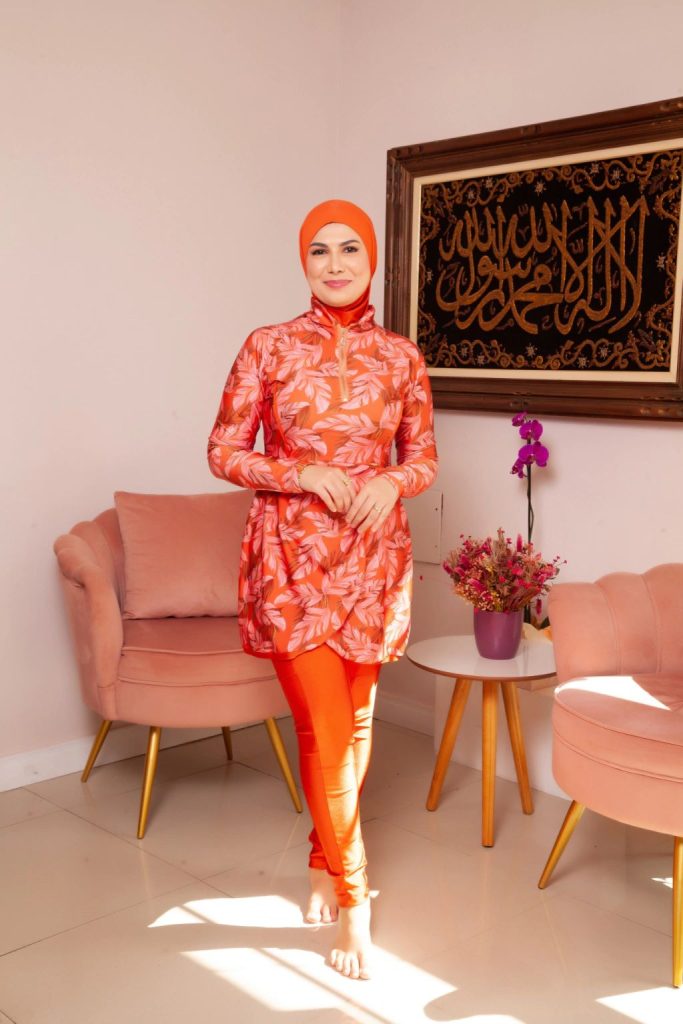
Mag Halat is another Brazilian woman who sells burkinis in the country. Owner of the brand By Mag Halat, the Muslim entrepreneur has been producing modest pieces since 2021. “The idea of creating this piece came from a very personal need. I myself had difficulty finding modest beachwear in the Brazilian market,” the businesswoman recalls.
“When a customer asked me for a burkini, I realized that this demand wasn’t just mine—there were many women looking for exactly that. So I decided to create something that would meet this need and truly serve women who, like me, want to dress modestly without giving up enjoying the beach, the pool, or moments of leisure.”
The piece emerged from a combination of elegance, comfort, and functionality, along with the search for international references, especially from the Middle East and Europe. “But to create this garment, above all I observed my customers. That’s why I adapted the trends to Brazil’s tropical climate and to the real needs of consumers,” Halat explains.
For her, the burkini market in the country is still quite niche, which is why production costs end up being high, due to the use of technical fabrics, specialized designs, and extra care to ensure comfort and safety in the water.
“In Brazil, I’ve already shipped my pieces to every region, from North to South. And we’ve also crossed borders: they’ve reached customers in the United States, Angola, Saudi Arabia, and Japan. This shows that the need is global and that modest fashion connects women all over the world,” Halat concludes.
Launch in 2026
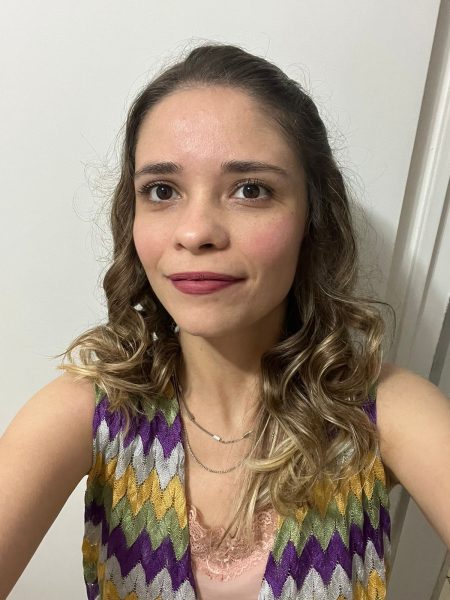
Born in Brasília, Beatriz Kehdy is the owner of iCovered, a national brand set to begin selling burkinis in 2026.
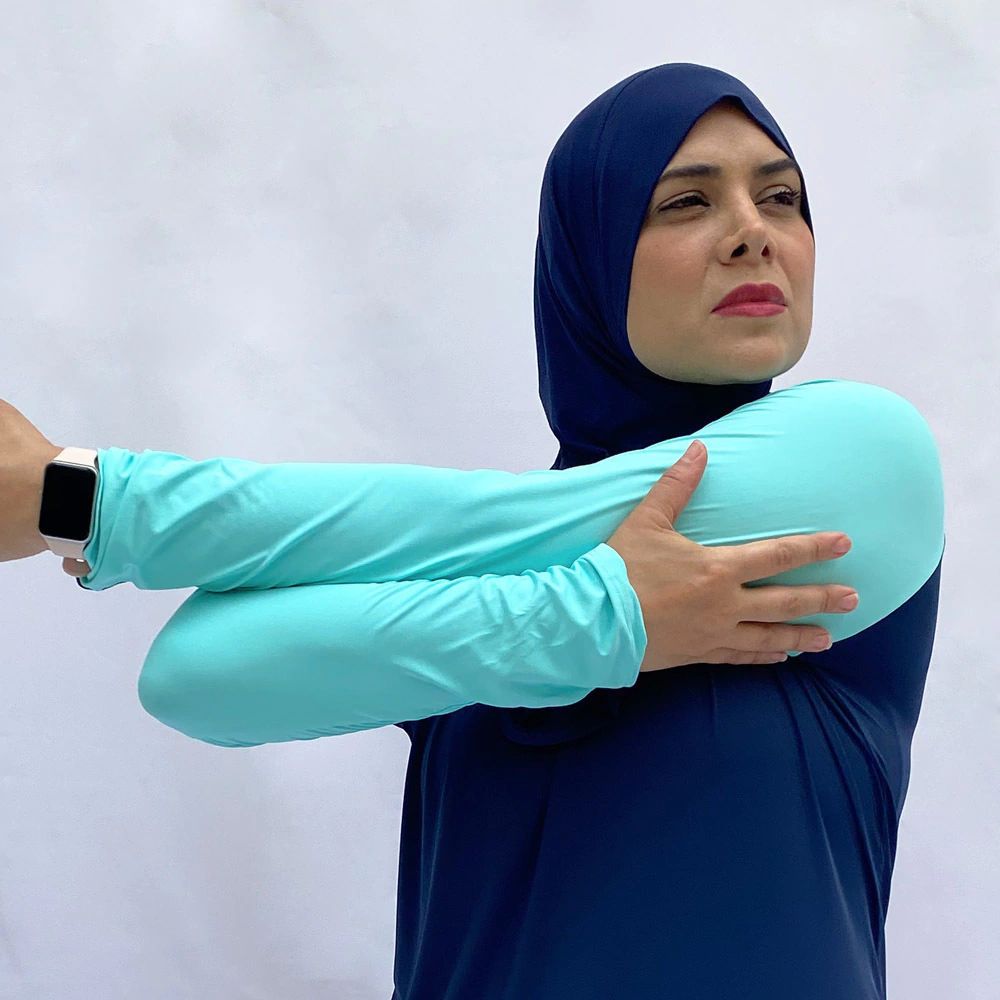
Trained in Architecture, fashion also became Kehdy’s profession later in life. “At 18, I went to the U.S. after a family opportunity, initially to study English, but I ended up enrolling in college there and stayed in the country for about 12 years. During that time, I completed my education and worked in the field of architecture for approximately six years. I returned to Brazil when I was 30,” Kehdy recounts.
Without Arab or Muslim roots, she—who converted to Islam while living in the U.S.—encountered difficulties working in the field of architecture back in Brazil.
“Beyond the professional challenges, when I returned to my home country, I began to face personal challenges related to clothing. As a tall woman, I found it difficult to find more modest clothes that were suitable for the Brazilian climate and reflected a Latin identity. I wanted pieces that were colorful, with prints, and made of fabrics with a flow suited to the tropical climate. Since I couldn’t find them, I decided to create my own brand in 2015,” explains the Brasília native.
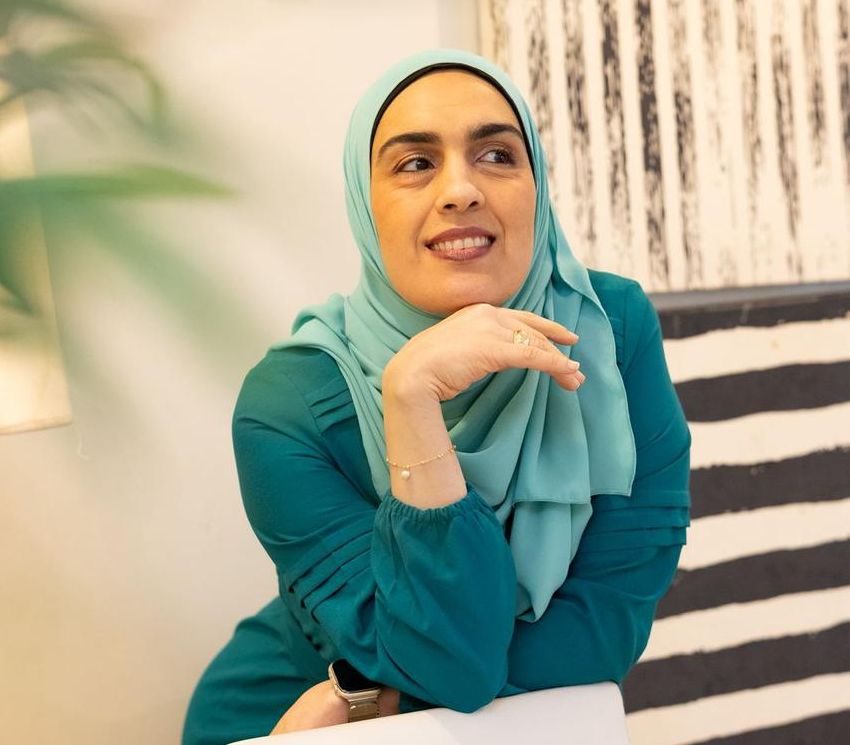
Although its main audience is Muslim women, the brand also serves non-Muslim clients seeking more modest clothing. “My goal isn’t to cater to a narrow niche but to women as a whole. My pieces cover different moments in a woman’s daily life: work, leisure, institutional and corporate settings, as well as social gatherings,” Kehdy explains.
The owner of iCovered explains that the burkini line emerged in response to customer demand for products with higher quality and better finishing.
“I’m in the process of designing the pieces and still searching for fabrics that meet the desired criteria. My main challenge has been finding materials that aren’t hot, perform well in water, and don’t stick to the body. That’s why I expect to launch the products next year, but they will only be released once I’m completely satisfied with the quality,” she adds.
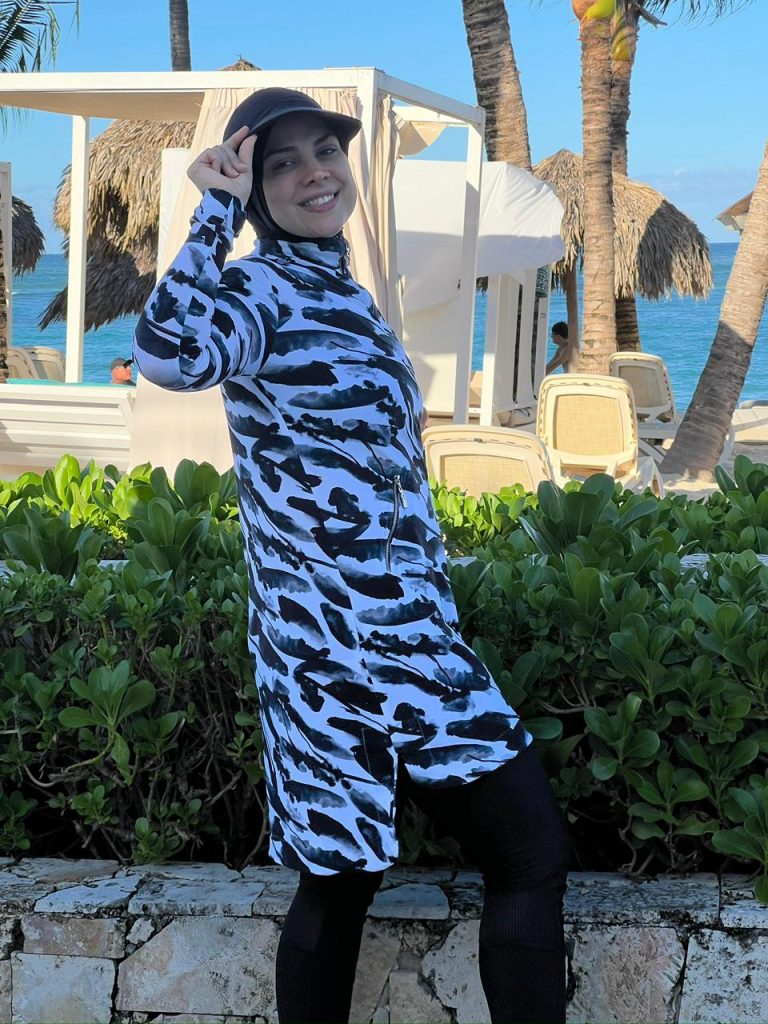
Selling exclusively through its website, the brand’s other items, such as scarves and dresses, have already reached customers across Brazil. Even though there is international demand—particularly from countries like the U.S. and the United Kingdom— Kehdy does not export for now due to high logistical costs.
Biologist Soha Chabrawi, PhD in Neuroscience and Cognition and technical manager at FAMBRAS Halal Certifier in São Paulo, is one of the consumers interested in burkinis. She expects that the launch from the brand she already knows, iCovered, will meet her needs, as she enjoys swimming at the beach or pool. “I know all her pieces, and I think this one will be excellent because she always makes very good items and consults her customers a lot,” says Chabrawi, a Muslim born in Brazil to Egyptian parents.
Read more:
Veiled women in business and the academy
Translated by Guilherme Miranda
